| Availability: | |
|---|---|
| Quantity: | |
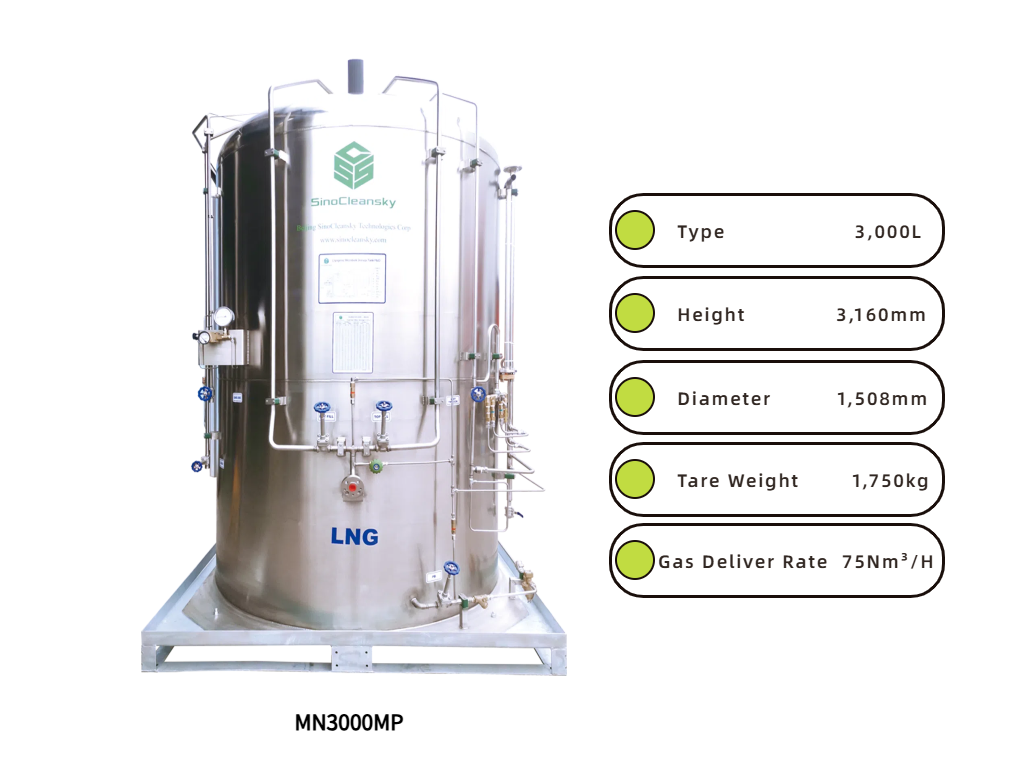
The 3000L LNG Microbulk Tank is a compact, high-performance storage and supply solution designed for small-to-medium LNG applications, such as small industrial boilers, commercial kitchens, rural community heating, and remote off-grid facilities. Unlike traditional LNG cylinders, this tank eliminates the need for frequent cylinder replacement and offers a more cost-effective, low-maintenance alternative—all while maintaining the safety and efficiency required for cryogenic storage.
Core Design Advantages:
Space-Saving & Easy Installation: Features a skid-mounted design with an integrated vaporizer, eliminating the need for separate vaporization equipment and special on-site foundations. It fits in tight spaces (pallet size: 1700mm×1700mm) and can be installed in less than 48 hours.
Superior Insulation Performance: Adopts high multi-layer high-vacuum insulation technology, minimizing LNG evaporation loss (NER: 0.5%/day). This ensures long-term stable storage and reduces the frequency of LNG refills.
Durable & Safe Construction: The outer shell is made of 304 stainless steel, which resists corrosion and environmental damage, extending the tank’s lifespan to 15+ years. It is also equipped with essential safety features:
Pressure relief valves to prevent over-pressure.
Leak detection sensors to trigger alarms in case of LNG leakage.
Emergency shut-off valves to isolate the tank from the supply line during emergencies.
Flexible Functionality: Optional add-ons include pressure regulation, metering, and odorization systems, allowing the tank to integrate seamlessly with local gas networks. It also supports signal remote transmission and auto-switchover, enabling remote monitoring and unattended operation.

Gas Supply Stability: The integrated 75Nm³/H vaporizer ensures a continuous, consistent gas supply—even during peak demand periods (e.g., morning heating in communities).
Environmental Adaptability: Operates normally in temperatures ranging from -20℃ (cold climates) to 50℃ (hot climates), with no performance degradation.
Low Maintenance: The high-vacuum insulation system requires no regular maintenance, and the stainless steel shell only needs annual cleaning to maintain its appearance and corrosion resistance.
Model | MN3000MP |
MAWP: Mpa(psi) | 1.6(230) |
Max. Pre-set Operating Press: Mpa(psi) | 0.8(116) |
Gorss Volume: L(gal) | 3031(800) |
Net Volume: L(gal) | 2727(720) |
NER (Nitrogen): %/Day | 0.5 |
Tare Weight: kg(lbs) | 1750(3858) |
Gaseous Volume (CO2/NG): Nmˆ3(SCF) | 3954(139634) |
Gas delivery rate: Nmˆ3/H(SCFH) | 75(2649) |
Pallet Width "A": mm(inch) | 1700(66.92) |
Pallet Length "B": mm(inch) | 1700(66.92) |
Tank Diameter "D": mm(inch) | 1508(59.37) |
Overall Height "H": mm(inch) | 3160(124.41) |
Certifications & Reports:
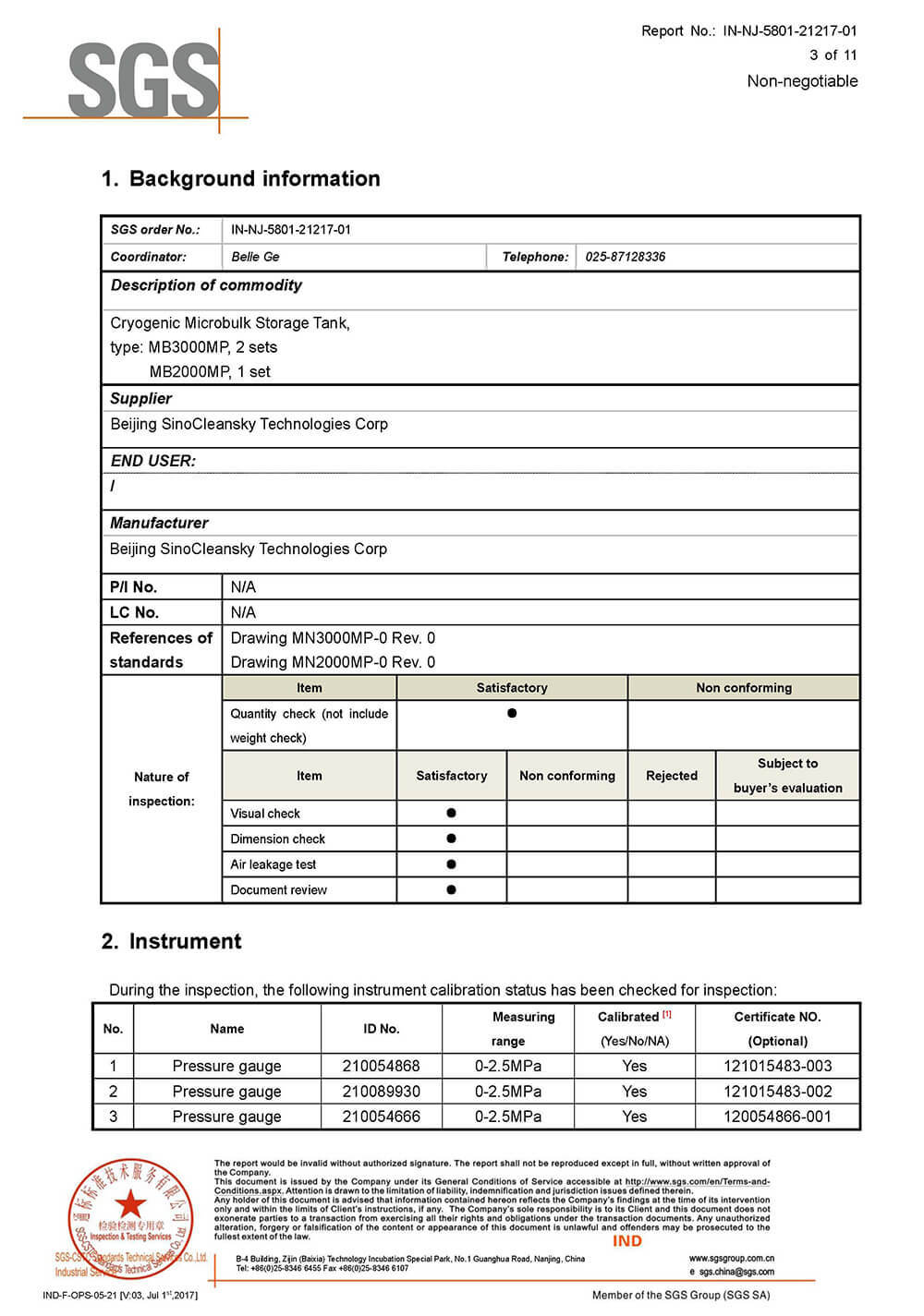
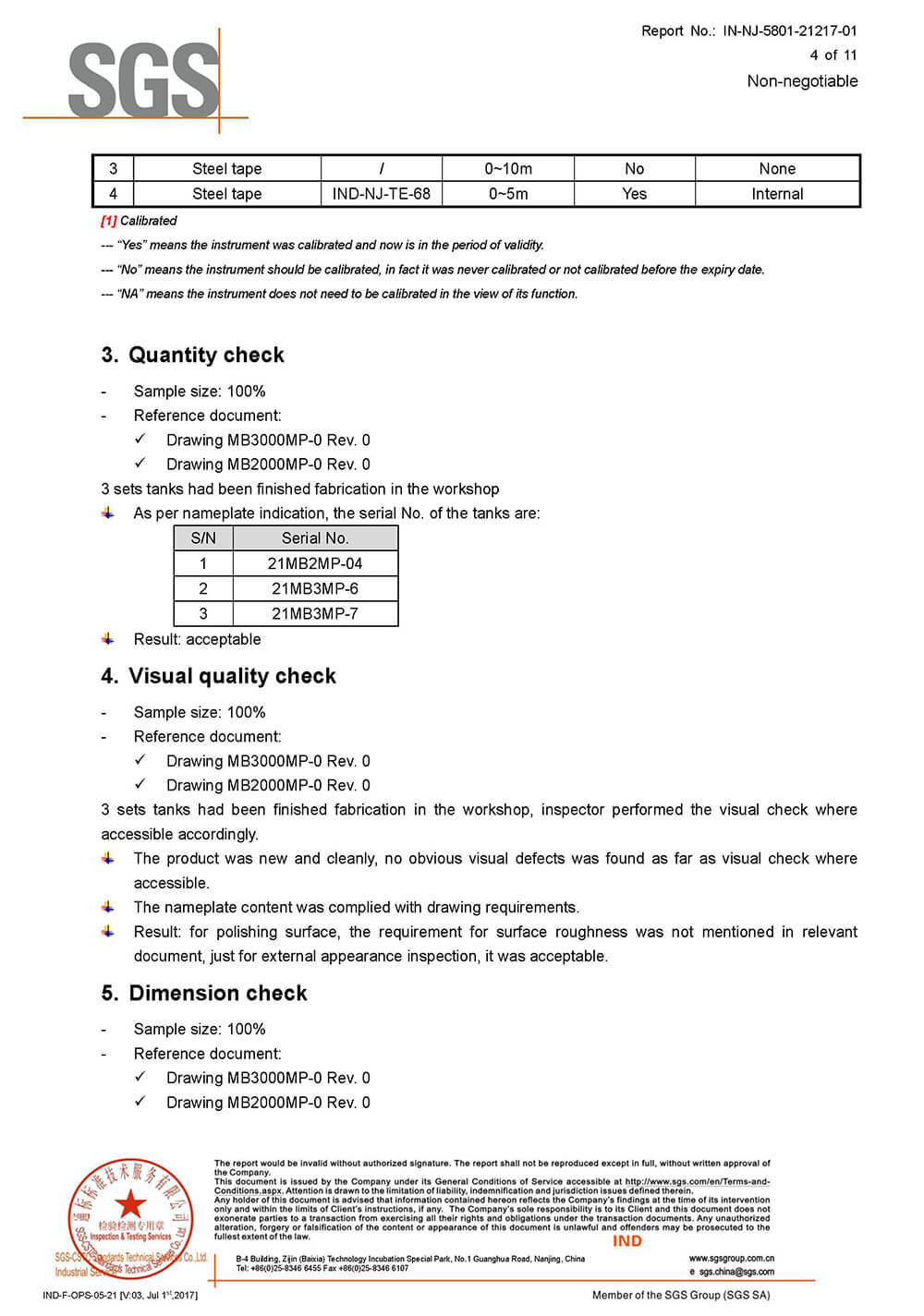
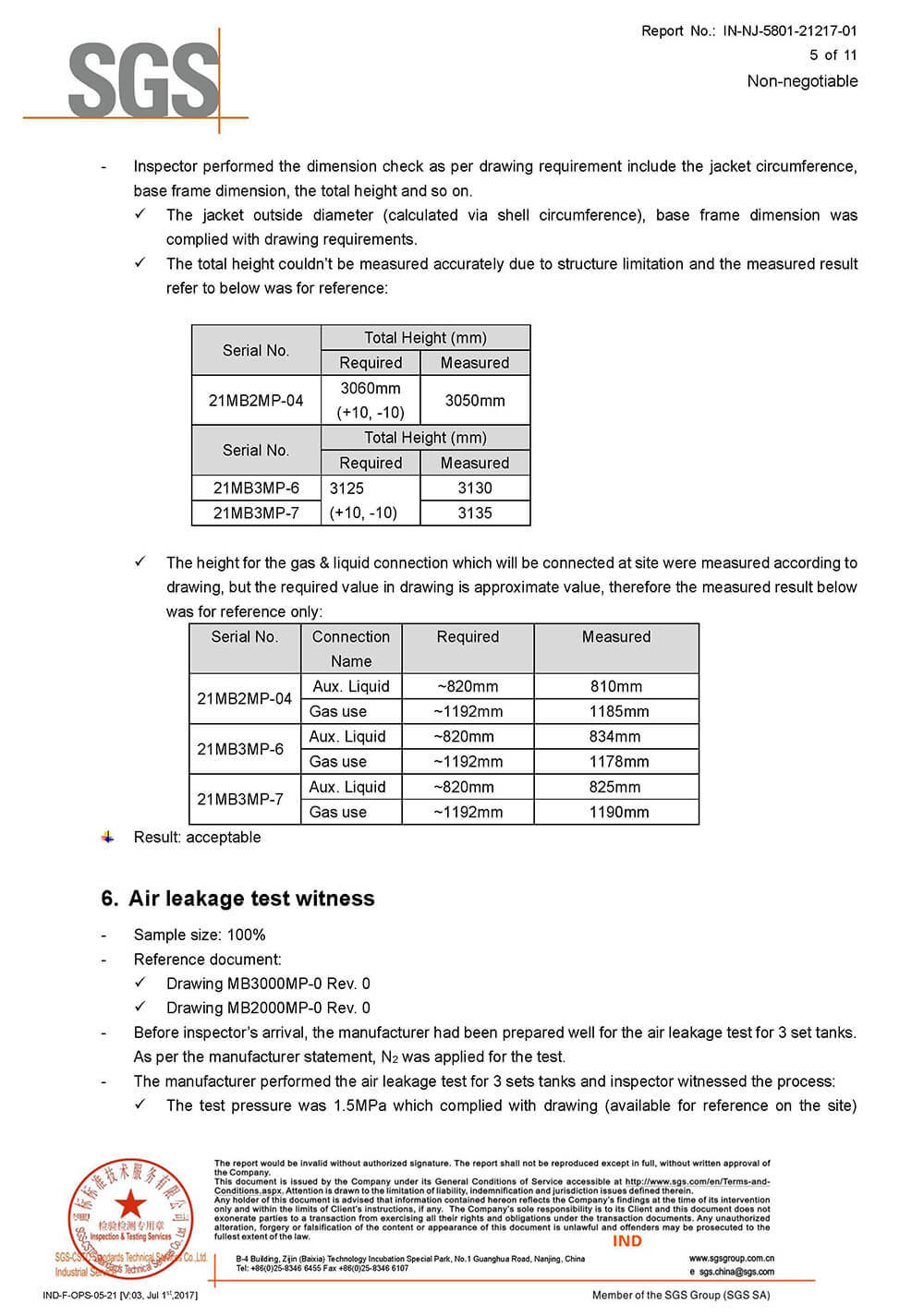
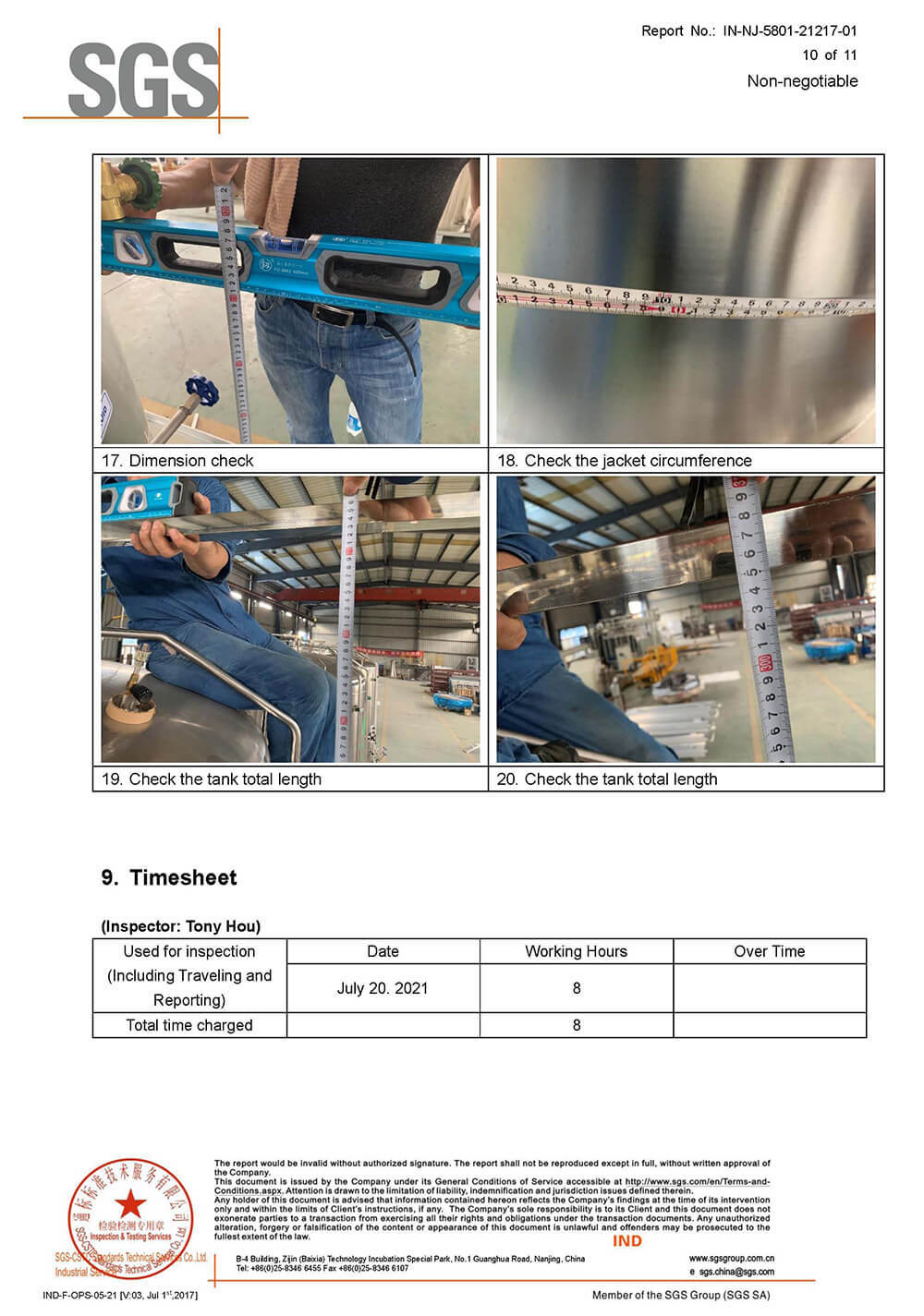
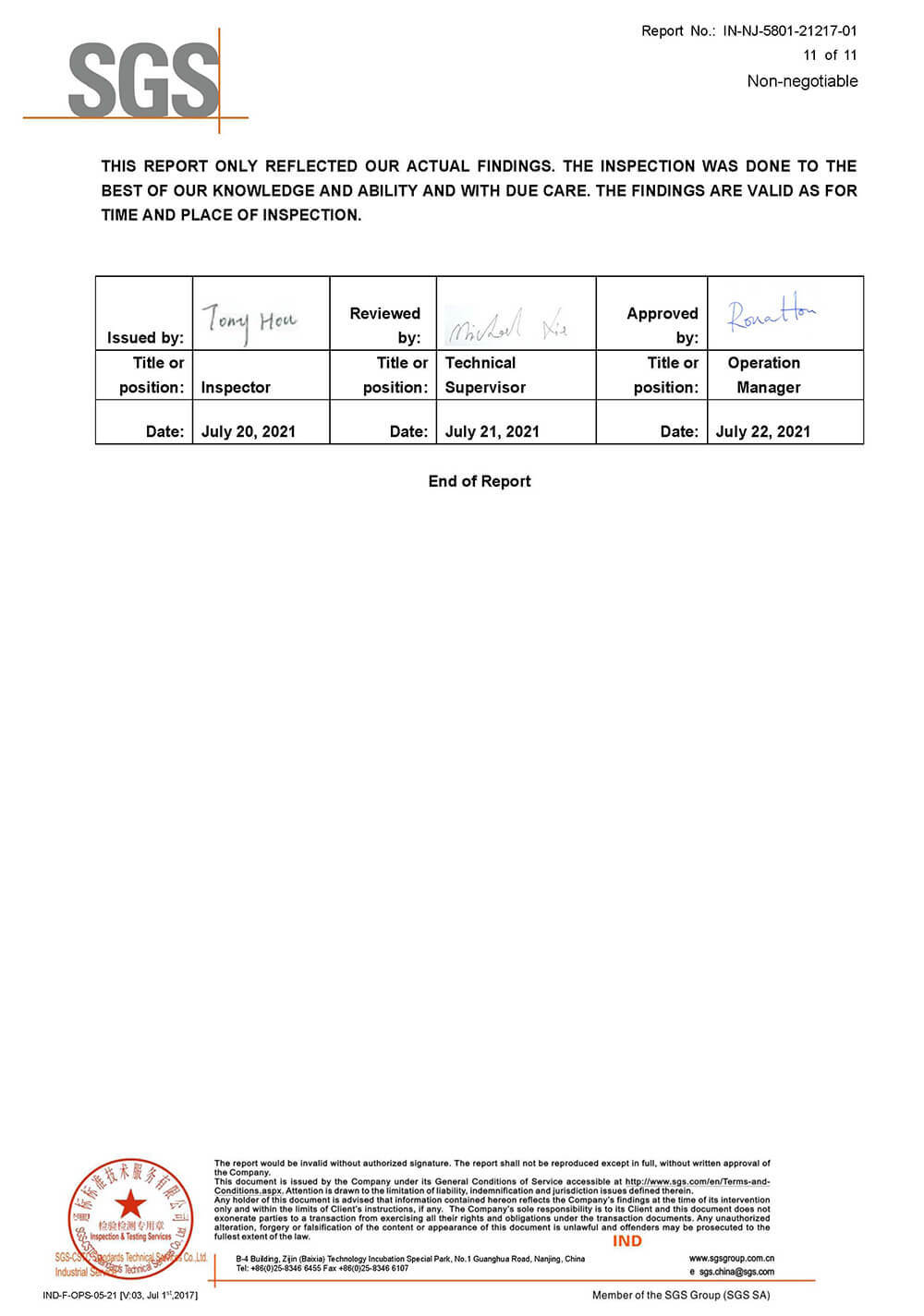
Global Standards Compliance: Complies with the ASME Boiler and Pressure Vessel Code Rules, Section VIII, Division 1—a globally recognized standard for cryogenic pressure vessels. It also holds SGS inspection certification (Report No.: IN-NJ-5801-21217-01), validating its quality and safety.
Comprehensive Inspection Reports: Every tank comes with a full set of reports, including:
Raw material test certificate (for inner/outer vessels and heads)
Dimension inspection report (verifying compliance with design specifications)
Air leakage test report (1.5MPa test pressure, no leakage)
Helium mass spectrometer leak test report (ensuring zero cryogenic leakage)
Jacket vacuum report (validating insulation performance)
Valve and safety accessory qualification certificates (from reputable suppliers)
Regional Certifications: On request, we provide additional certifications such as CE (for European markets), CSA (for North America), or GB (for Chinese markets) to meet local regulatory requirements.
Warranty & Support:
Warranty coverage: 12-month warranty for the entire tank, 24-month warranty for the vacuum insulation system and safety valves.
After-sales service: Our team provides on-site installation guidance, operational training, and maintenance support. We also offer a vacuum recharging service (if needed after years of use) to maintain insulation performance.
Traceability: Each tank is assigned a unique serial number, allowing for full lifecycle tracking of manufacturing, inspection, and maintenance records.
Reference certifications and reports:
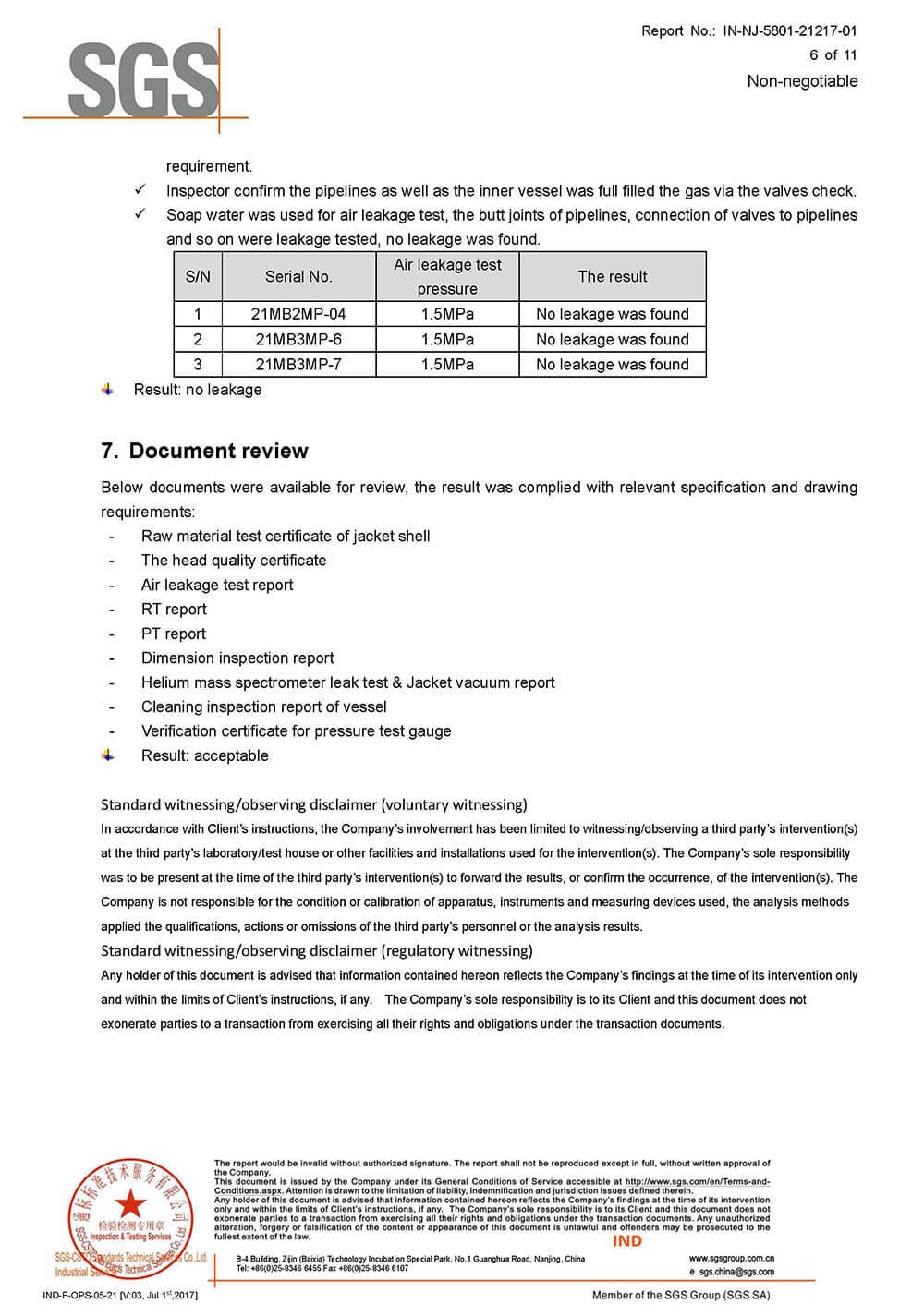
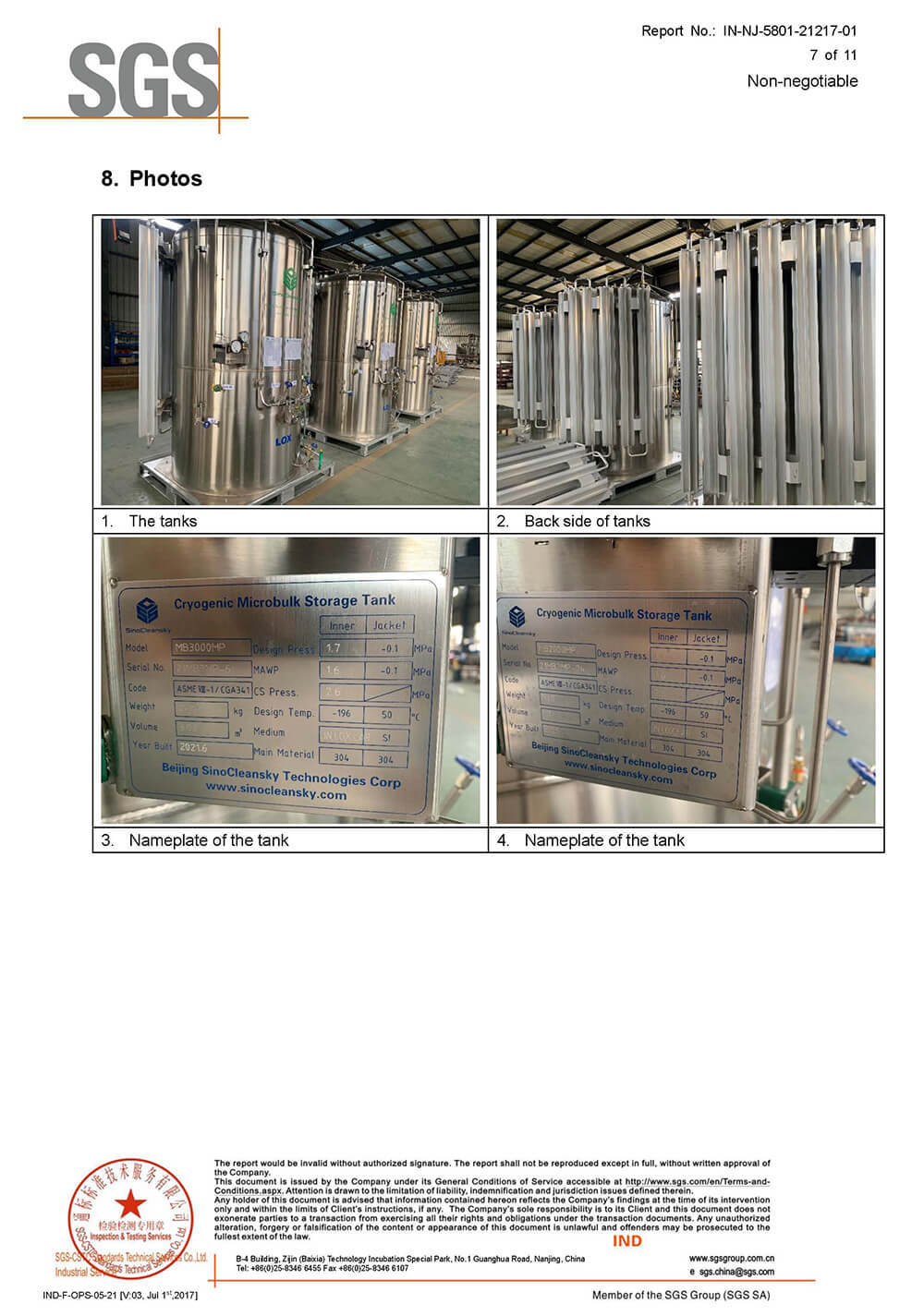
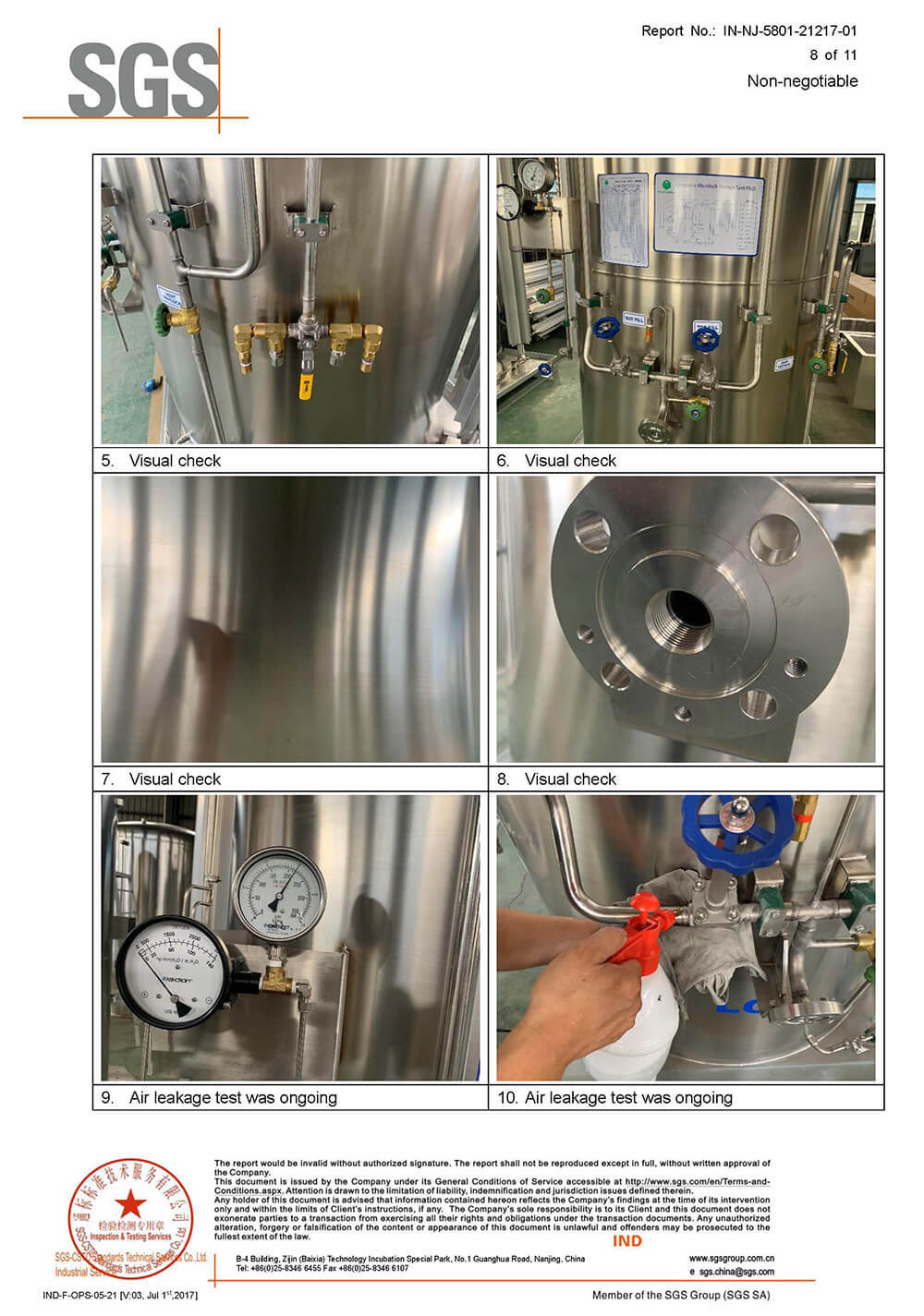
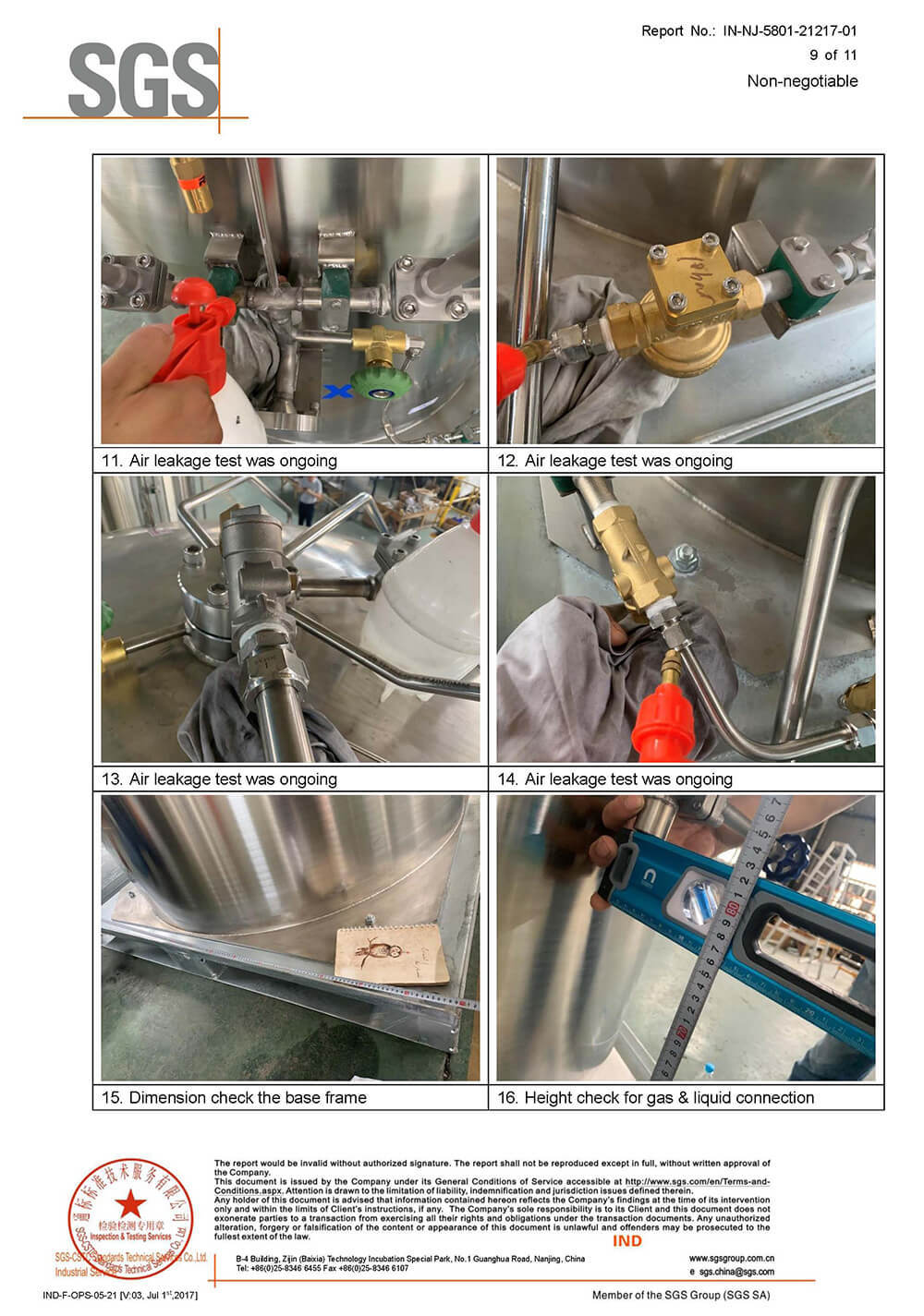
The LNG Microbulk can be shipped by various types of container, such as standard container 20GP, 40GP, 40HQ; pen top container, such as 20OT, 40OT and etc.;
Packaging:
Tank Protection: The tank is fixed on a heavy-duty steel pallet with anti-vibration pads to absorb shocks during transportation. It is wrapped with moisture-proof film and a UV-resistant cover to protect against rain, dust, and sunlight. The tank’s nozzles are sealed with protective caps to prevent contamination.
Accessories Packaging: Optional components (e.g., pressure regulators, metering systems) are packed in foam-lined, waterproof boxes with clear labeling. This ensures all accessories are accounted for and protected during transit.
Shipping Methods:
Container Shipping: Uses standard containers (20GP, 40GP, 40HQ) for most shipments, as the tank’s dimensions (3160mm height, 1508mm diameter) fit comfortably in these containers. This method is cost-effective and suitable for sea or land transportation.
Open-Top Container Shipping: For tanks with optional skid-mounted accessories (e.g., vaporizers, pressure regulators), 20OT (20ft Open-Top) or 40OT (40ft Open-Top) containers are used. This allows for easy loading/unloading with cranes.
Logistics Coordination: Our team provides detailed shipping documents (packing list, certificate of origin, customs clearance papers) and works with the user to confirm delivery schedules. We also coordinate with local partners to arrange on-site unloading and preliminary inspection upon delivery—ensuring the tank is ready for installation.

What are LNG exports and why are they reshaping global energy markets? Simply put, LNG exports involve turning natural gas into a liquid form so it can travel long distances safely and efficiently. Learn how U.S. LNG exports work, their economic benefits, emerging markets, and innovative technologies driving growth in the global energy sector.
What is LNG used for? Liquefied Natural Gas (LNG) is more than just a fuel—it powers homes, businesses, industries, and even transportation. Its high energy density, cleaner combustion, and flexible transport make LNG ideal for residential heating, industrial processes, and off-grid applications. Learn what LNG is used for across sectors from heating and cooking to transport and manufacturing. Discover its role in cleaner energy, cost savings, and reliable global supply.
What is LNG? Simply put, LNG, or liquefied natural gas, is natural gas cooled into a liquid for easier storage and transport. It’s a versatile, low-carbon energy source powering homes, industries, and transportation worldwide. Learn all about LNG—liquefied natural gas—its storage, transport benefits, and role in cleaner energy. Explore innovations, environmental advantages, and global market trends.
How LNG is produced is a fascinating journey from natural gas extraction to advanced liquefaction technologies. Learn how LNG is produced efficiently and safely. Explore liquefaction techniques, modular systems, cold energy recovery, and environmental responsibility in today’s LNG industry.
What is LNG and how is it transported is becoming a key question for industries seeking cleaner, efficient energy. LNG, or liquefied natural gas, allows natural gas to travel long distances in liquid form, using ships, trucks, rail, and containers. Learn everything about LNG, its liquefaction, transportation across oceans and roads, storage solutions, and regasification for homes and industries.
A CNG skid serves as a critical solution for the safe storage and transport of compressed natural gas. This equipment supports industries that need efficient energy sources for vehicles, heating, and manufacturing. The market for these systems continues to expand rapidly:The global CNG Tube Skids ma
When dealing with large volumes of liquids and gases, choosing the right storage and transport solution is crucial. One of the most common options is the ISO tank, which is designed for safe and efficient transport. However, there’s another essential option: the storage tank. In this article, we will explore the key differences between ISO tanks and storage tanks. You’ll gain insights into their designs, functionalities, and how to choose the right one for your specific needs.
In this article, we will explore the importance of ISO standards in LNG production. You will learn how ISO certification helps enhance efficiency, safety, and sustainability across the LNG supply chain.
In this article, we will explore what LNG storage tanks are, why they are essential, and how they keep LNG in its liquid form. You’ll also learn about the different types of storage tanks and the safety features that make them reliable for large-scale operations.
IntroductionCNG cylinders are transforming the way we fuel vehicles and industries. As the world seeks cleaner energy alternatives, these cylinders play a key role in storing and transporting compressed natural gas (CNG).In this article, we will explore what CNG cylinders are, their various types, how they work, and their many benefits. You’ll also learn how these cylinders are crucial in the shift toward sustainable energy solutions.
IntroductionHave you ever wondered how compressed natural gas (CNG) powers vehicles and industries while reducing emissions? As the world shifts toward greener energy, CNG has emerged as a cleaner and more sustainable alternative to gasoline and diesel.In this article, we will explore how CNG cylinders work, their design, and safety features. You’ll also learn about the environmental and economic benefits of CNG and how it’s transforming industries.
Lorry Tanker - Application in MexicoLorry Tanker - Application of Low Temperature Tankers in JordanLorry tanker - Application of low-temperature tanker transportation in Vietnam
ISO Tank - Application of Aluminum Alloy Tank Container Transportation in AlbaniaISO Tank - Peruvian LNG Substation for Storage and Transportation Applications
Lorry Tanker Transforming Cryogenic Gas Logistics in Jordan and Vietnam What distinguishes our solution is its integrated design: a high-performance cryogenic storage tank paired with a purpose-built operation compartment. This combination eliminates the need for separate transport and filling equip
Microbulk Tank is designed with skid-mounted and vaporizer built-in, high quality, efficient, reliable, lower charge loss and longer liquid gas hold time…… Microbulk Tank layout will help you to be the “Hero” in wide applications including industrial , medical, welding, laser cutting, lab, etc. It’s
Industrial gas and LNG companies across nations have unlocked new efficiency with our ISO Tank. Its standard container design integrates into diverse transport systems—road, rail, sea—adapting to global logistics needs. For cryogenic gas transport, it’s the best transport container. Inside the opera
Email:
Telephone:
Mobile & WhatsApp:
Address: