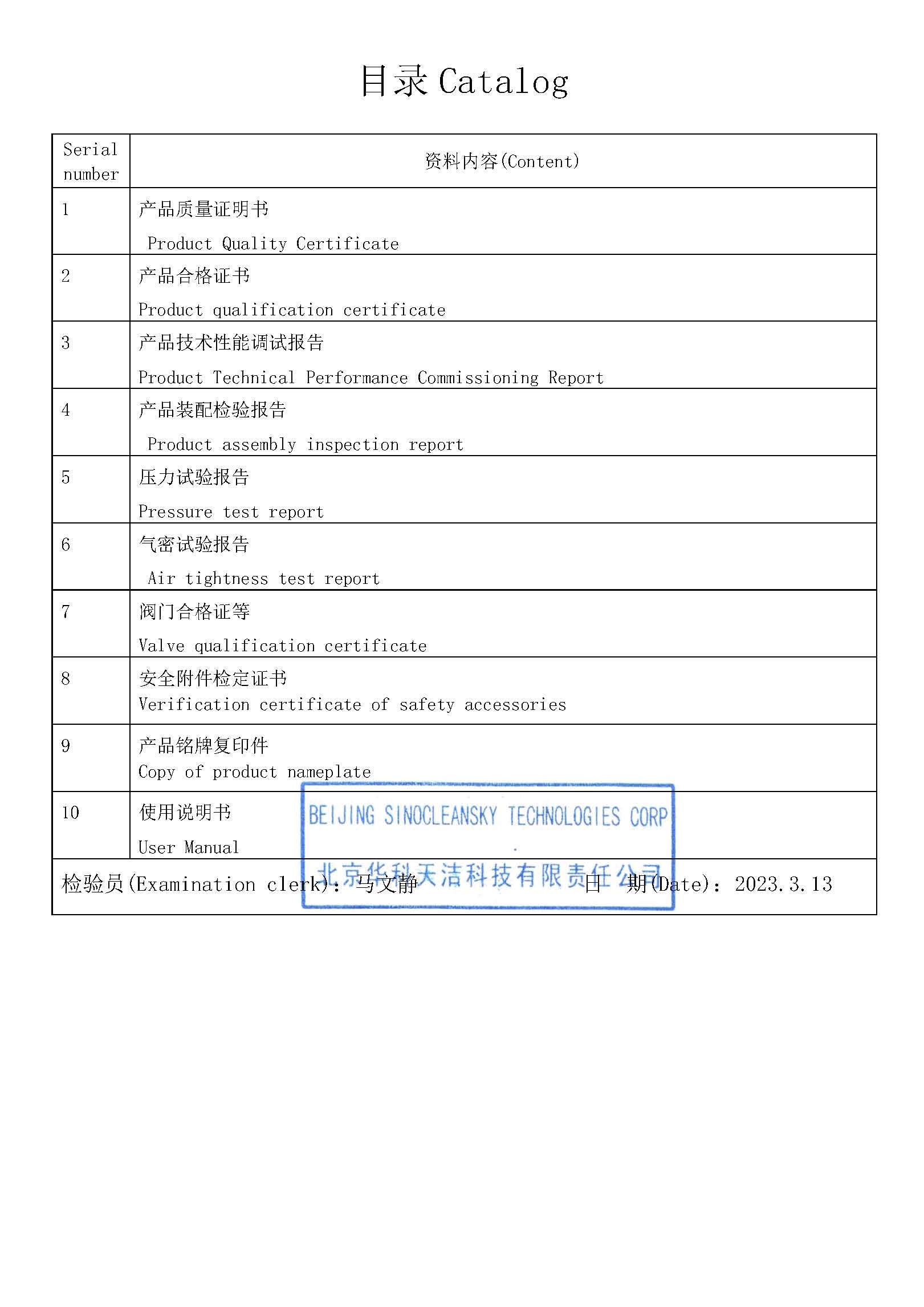
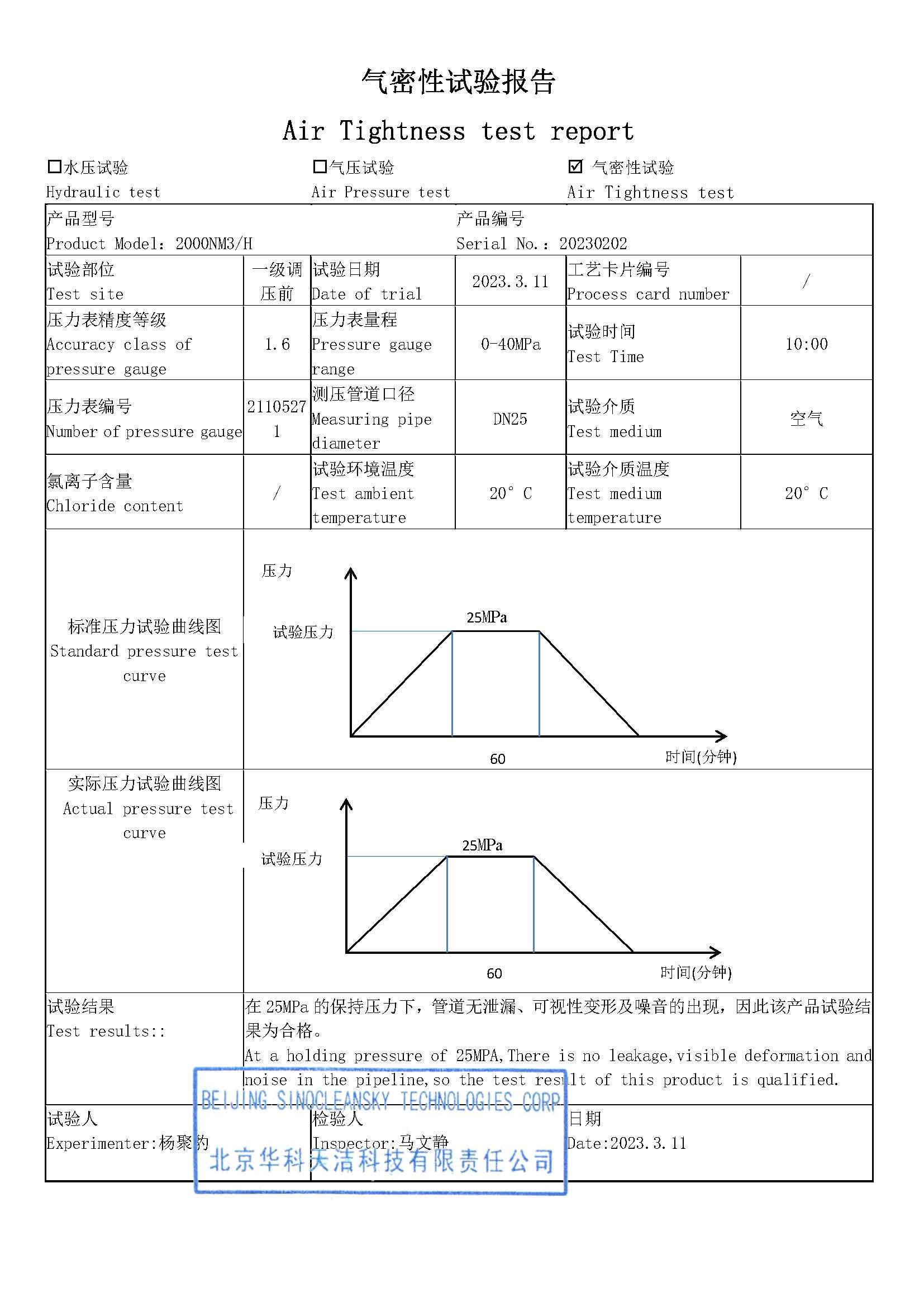
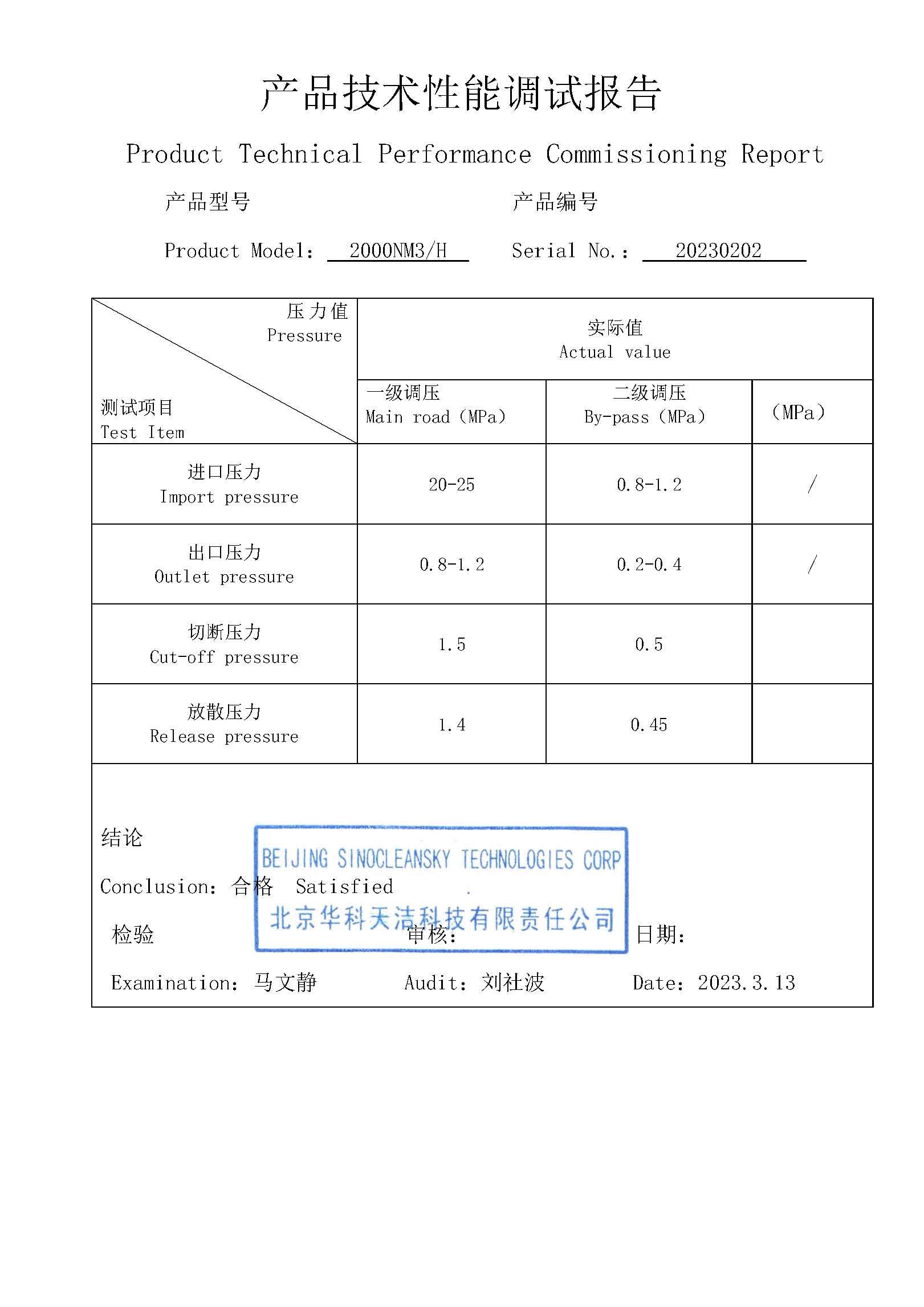


SinoCleansky CNG PRU (PRMS) 3000NM3/H are manufactured under strictly quality control system with full set of inspection report.
CNG PRU are applied for regulating high pressure CNG to normal pressure.
The popular type pressure regulating unit 3000 NM3/H are designed for 250 bar CNG to keep the flow rate of 3000 NM3/H and outlet pressure of 2-4 bar.
The outlet pressure is customized.
The CNG PRU 3000Nm³/H (Compressed Natural Gas Pre-treatment Unit) is a high-capacity, industrial-grade solution designed to purify and condition natural gas before compression—critical for ensuring the quality and safety of CNG used in vehicles, industrial processes, and power generation. Manufactured by Beijing SinoCleansky Technologies Corp., a leader in integrated CNG/LNG/NGV solutions, this unit processes up to 3000 cubic meters of natural gas per hour, making it ideal for large-scale CNG filling stations, industrial CNG supply systems, and utility-scale gas conditioning projects.
What defines this PRU is its comprehensive pre-treatment capabilities: it removes impurities like water vapor, sulfur compounds, dust, and heavy hydrocarbons—all of which can damage CNG compressors, clog pipelines, or reduce the efficiency of end-use equipment. The unit uses advanced filtration and separation technologies (e.g., coalescing filters, molecular sieves) to meet strict CNG quality standards (e.g., ISO 15403) and ensure the treated gas is dry, clean, and free of corrosive elements.
Additionally, the PRU features a modular, skid-mounted design for easy installation and integration with existing CNG compression systems. It supports real-time monitoring of key parameters (pressure, temperature, impurity levels) and includes automatic shutdown safeguards for abnormal conditions—minimizing operational risks. SinoCleansky also offers customized configurations (e.g., additional sulfur removal stages, higher pressure ratings) to adapt to diverse feed gas compositions and client requirements.


Flow Rate: 3000 Nm³/h (high-capacity processing for large-scale CNG systems)
Medium: Raw Natural Gas (before compression, treated to CNG quality standards)
Working Pressure: 0.8MPa to 1.6MPa (adjustable to match feed gas pipeline pressure)
Working Temperature: 5℃ to 45℃ (suitable for ambient industrial environments)
Pre-Treatment Functions:
Water Removal: Reduces moisture content to ≤ 10 ppm (prevents freezing in CNG compressors)
Sulfur Removal: Removes H₂S and organic sulfur to ≤ 5 ppm (prevents corrosion and equipment damage)
Particulate Filtration: Filters dust and solids to ≤ 1 μm (protects downstream compressors and valves)
Hydrocarbon Separation: Removes heavy hydrocarbons (C5+) to avoid liquid formation in CNG storage
Control System: PLC-based automatic control with real-time monitoring (supports remote data access)
Mounting Type: Skid-mounted (modular design, reduces on-site installation time)
Safety Features: Automatic pressure relief valves, high-temperature shutdown, and impurity level alarms
| Typical Model | Inlet pressure | Outlet pressure | Optional Function |
3000Nm3 per hour | 250bar | 2~4bar | Heat exchanger; Mass flow meter: PLC automatic control; HMI; CNG Decanting Post; High pressure hose; International brand valves |
Remark: The above specifications are only for our typical types. The more accurate & detailed parameters and technical drawings are available upon request
SinoCleansky CNG Pressure regulating unit are manufactured under strictly quality control system. The CNG PRU(PRMS) are with full set inspection report submitted to clients. With client’s requirements, SinoCleansky will also provide some other certificates as per clients’ request. We assure you that each CNG PRU(PRMS) are with sound quality.
Quality Standards Compliance: Meets ISO 15403 (CNG quality) and ISO 9001 (quality management system) standards.
Third-Party Validation: Inspected by independent authorities to verify performance (e.g., impurity removal efficiency, pressure resistance, safety compliance).
Regional Certifications: Available upon request (e.g., CE for European markets, DOT for North America) to meet local regulatory requirements.
Component Certifications: Key parts (filters, molecular sieves, valves) are certified by global manufacturers (e.g., ISO, ASME) for reliability.
Standard warranty covers manufacturing defects for core components (filters, separators, control systems) for 12 months, with extended warranties available for up to 36 months.
SinoCleansky provides comprehensive post-sales support:
Routine maintenance guidelines and filter replacement schedules.
On-site training for operators to ensure proper unit operation.
24/7 technical support for troubleshooting and emergency repairs.
Reference certifications and reports:


The PRU is fully enclosed in a weather-resistant, shock-absorbing skid package to protect sensitive components (e.g., control panels, filters) during transit.
Removable parts (e.g., filter cartridges, molecular sieve beds) are packed separately in sealed containers to prevent contamination.
All electrical components (control panels, sensors) are wrapped in anti-static materials to avoid damage from electrostatic discharge.
Standard Container: 40ft high-cube containers for standard units (fits the skid and all accessories, cost-effective for global transport).
Open-Top Container: For custom PRUs with oversized components (e.g., additional filtration stages).
Bulk Transport: For large-scale projects, the PRU can be shipped via bulk vessel with professional securing to comply with maritime transport regulations.
All shipments include a detailed operation manual, component list, and calibration certificates for monitoring equipment to ensure smooth on-site setup and commissioning.
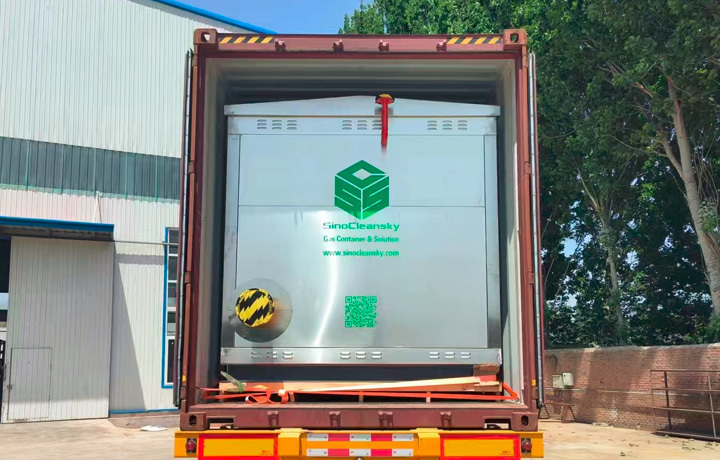
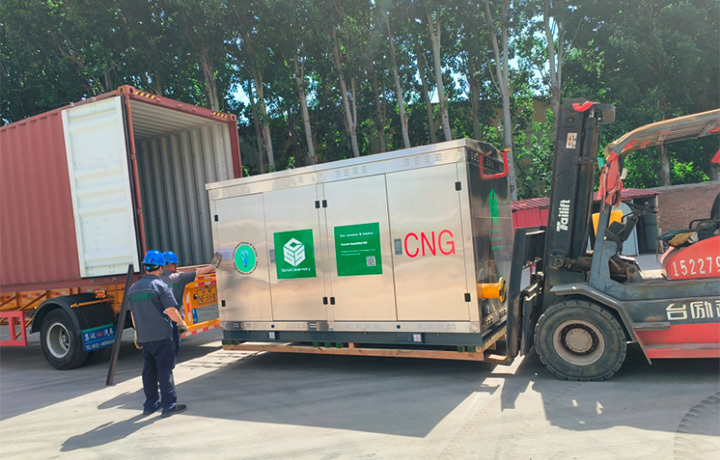
The CNG PRU (PRMS) can be shipped by standard containers, 20GP, 40GP, 40HQ, with good fixed protection in container.
What are LNG exports and why are they reshaping global energy markets? Simply put, LNG exports involve turning natural gas into a liquid form so it can travel long distances safely and efficiently. Learn how U.S. LNG exports work, their economic benefits, emerging markets, and innovative technologies driving growth in the global energy sector.
What is LNG used for? Liquefied Natural Gas (LNG) is more than just a fuel—it powers homes, businesses, industries, and even transportation. Its high energy density, cleaner combustion, and flexible transport make LNG ideal for residential heating, industrial processes, and off-grid applications. Learn what LNG is used for across sectors from heating and cooking to transport and manufacturing. Discover its role in cleaner energy, cost savings, and reliable global supply.
What is LNG? Simply put, LNG, or liquefied natural gas, is natural gas cooled into a liquid for easier storage and transport. It’s a versatile, low-carbon energy source powering homes, industries, and transportation worldwide. Learn all about LNG—liquefied natural gas—its storage, transport benefits, and role in cleaner energy. Explore innovations, environmental advantages, and global market trends.
How LNG is produced is a fascinating journey from natural gas extraction to advanced liquefaction technologies. Learn how LNG is produced efficiently and safely. Explore liquefaction techniques, modular systems, cold energy recovery, and environmental responsibility in today’s LNG industry.
What is LNG and how is it transported is becoming a key question for industries seeking cleaner, efficient energy. LNG, or liquefied natural gas, allows natural gas to travel long distances in liquid form, using ships, trucks, rail, and containers. Learn everything about LNG, its liquefaction, transportation across oceans and roads, storage solutions, and regasification for homes and industries.
A CNG skid serves as a critical solution for the safe storage and transport of compressed natural gas. This equipment supports industries that need efficient energy sources for vehicles, heating, and manufacturing. The market for these systems continues to expand rapidly:The global CNG Tube Skids ma
When dealing with large volumes of liquids and gases, choosing the right storage and transport solution is crucial. One of the most common options is the ISO tank, which is designed for safe and efficient transport. However, there’s another essential option: the storage tank. In this article, we will explore the key differences between ISO tanks and storage tanks. You’ll gain insights into their designs, functionalities, and how to choose the right one for your specific needs.
In this article, we will explore the importance of ISO standards in LNG production. You will learn how ISO certification helps enhance efficiency, safety, and sustainability across the LNG supply chain.
In this article, we will explore what LNG storage tanks are, why they are essential, and how they keep LNG in its liquid form. You’ll also learn about the different types of storage tanks and the safety features that make them reliable for large-scale operations.
IntroductionCNG cylinders are transforming the way we fuel vehicles and industries. As the world seeks cleaner energy alternatives, these cylinders play a key role in storing and transporting compressed natural gas (CNG).In this article, we will explore what CNG cylinders are, their various types, how they work, and their many benefits. You’ll also learn how these cylinders are crucial in the shift toward sustainable energy solutions.
IntroductionHave you ever wondered how compressed natural gas (CNG) powers vehicles and industries while reducing emissions? As the world shifts toward greener energy, CNG has emerged as a cleaner and more sustainable alternative to gasoline and diesel.In this article, we will explore how CNG cylinders work, their design, and safety features. You’ll also learn about the environmental and economic benefits of CNG and how it’s transforming industries.
Lorry Tanker - Application in MexicoLorry Tanker - Application of Low Temperature Tankers in JordanLorry tanker - Application of low-temperature tanker transportation in Vietnam
ISO Tank - Application of Aluminum Alloy Tank Container Transportation in AlbaniaISO Tank - Peruvian LNG Substation for Storage and Transportation Applications
Lorry Tanker Transforming Cryogenic Gas Logistics in Jordan and Vietnam What distinguishes our solution is its integrated design: a high-performance cryogenic storage tank paired with a purpose-built operation compartment. This combination eliminates the need for separate transport and filling equip
Microbulk Tank is designed with skid-mounted and vaporizer built-in, high quality, efficient, reliable, lower charge loss and longer liquid gas hold time…… Microbulk Tank layout will help you to be the “Hero” in wide applications including industrial , medical, welding, laser cutting, lab, etc. It’s
Industrial gas and LNG companies across nations have unlocked new efficiency with our ISO Tank. Its standard container design integrates into diverse transport systems—road, rail, sea—adapting to global logistics needs. For cryogenic gas transport, it’s the best transport container. Inside the opera
Email:
Telephone:
Mobile & WhatsApp:
Address: