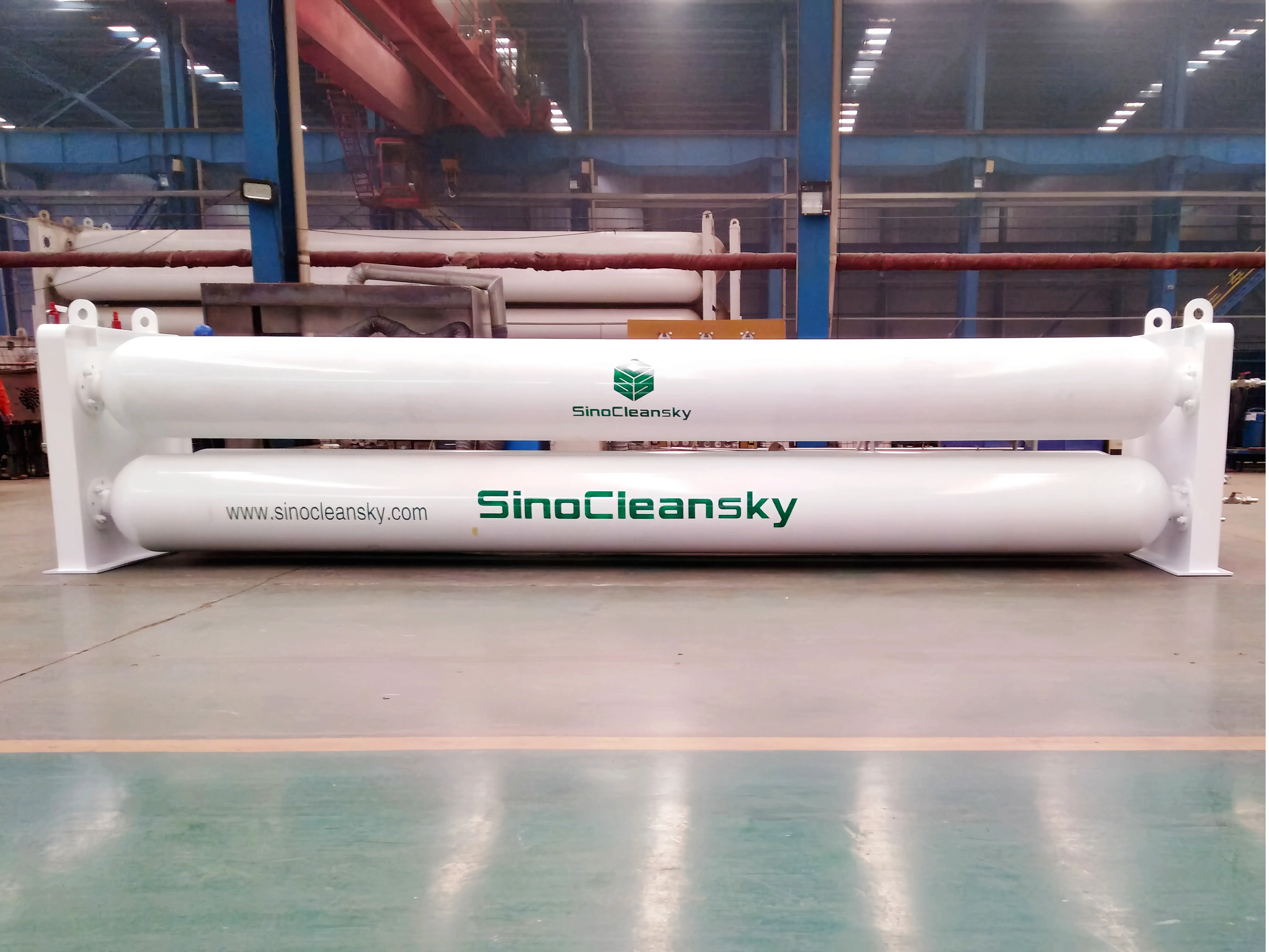
CNG stands out as a clean energy alternative, helping cities and industries move toward sustainable practices.
CNG is a clean fuel made by compressing natural gas, primarily methane, to high pressure.
Using CNG reduces greenhouse gas emissions by 20% compared to gasoline, supporting cleaner air.
CNG is cost-effective, offering significant savings on fuel expenses for vehicles and industries.
CNG vehicles require less maintenance, leading to longer engine life and fewer oil changes.
Safety is a priority; CNG disperses quickly if leaked, minimizing fire risks.
CNG infrastructure is expanding, making it more accessible for urban and rural users.
Converting vehicles to CNG can improve fuel economy and reduce emissions, with many incentives available.
Adopting CNG supports sustainability goals and enhances energy security by using domestic resources.
Compressed natural gas is a fuel created by compressing natural gas, primarily methane, to less than 1% of its volume at standard atmospheric pressure. This process allows the gas to be stored and transported efficiently in high-pressure cylinders. CNG is widely used as an alternative to gasoline, diesel, and propane in vehicles and industrial applications. Many countries, including Nigeria, have adopted compressed natural gas to reduce dependence on imported fuels and to promote cleaner energy solutions. CNG is produced domestically from abundant natural gas reserves, which supports energy security and economic stability.
Compressed natural gas possesses unique chemical and physical characteristics that distinguish it from other fuels. The following table summarizes the main properties:
Property | Value |
|---|---|
Chemical Structure | CH₄ (majority), C₂H₆, inert gases |
Energy Content (lower heating value) | 1 lb. = 0.18 GGE |
Energy Content (higher heating value) | 1 lb. = 0.19 GGE |
Flash Point | -300°F |
Autoignition Temperature | 1,004°F |
Maintenance Issues | High-pressure tanks require periodic inspection and certification |
Energy Security Impacts | CNG is domestically produced from natural gas and renewable biogas |
CNG has a high autoignition temperature, which makes it less likely to ignite accidentally. The flash point is extremely low, so it remains stable under normal conditions. Storage requires robust, high-pressure tanks that must be regularly inspected for safety. The chemical composition, dominated by methane, ensures clean combustion and minimal residue.
CNG stands out among alternative fuels due to its energy density, cost-effectiveness, and environmental benefits. The table below compares the energy density of compressed natural gas with gasoline and diesel:
Fuel Type | Mass Energy Density (MJ/kg) | Volumetric Energy Density (MJ/m³) |
|---|---|---|
CNG | 53.6 | 14,888.9 |
Gasoline | 46.4 | 12,888.9 |
Diesel | 45.6 | 12,666.7 |
CNG delivers higher energy per kilogram than gasoline or diesel, making it an efficient choice for transportation and industry. In terms of cost, natural gas remains highly competitive. For example:
Fuel Type | Cost per Unit | Energy Content (BTUs) | Equivalent Cost per Therm |
|---|---|---|---|
Natural Gas | $1.50 per therm | 1,000 BTUs/cubic foot | $1.50 |
Propane | $1.63 per therm | 2,500 BTUs/cubic foot | $1.63 |
CNG also offers significant environmental advantages. Compared to conventional diesel, compressed natural gas reduces greenhouse gas emissions by 8–12%. In congested urban areas, this reduction can reach up to 16%. When compared to the diesel industry as a whole, using natural gas results in emissions that are 30% lower. These benefits make CNG a preferred option for cities and businesses aiming to improve air quality and meet sustainability targets.
Note: CNG not only reduces emissions but also supports cleaner air and healthier communities.
Compressed natural gas continues to gain popularity as a reliable, efficient, and environmentally responsible fuel. Its unique properties and advantages over other gases make it a cornerstone of modern energy strategies.
Natural gas is sourced from underground reservoirs, often found in association with oil deposits or in standalone gas fields. Extraction begins with drilling wells into these reservoirs. Once accessed, the gas is brought to the surface, where it undergoes initial separation to remove water, oil, and other impurities. This process ensures that the gas meets quality standards before further processing. The extracted natural gas is then transported via pipelines to processing facilities, where it is purified and prepared for compression.
The transformation of natural gas into compressed natural gas involves a multi-stage compression process. This process increases the pressure of the gas, making it suitable for storage and transportation. The main steps include:
Natural gas enters through an inlet and passes through a scrubber to remove liquids. Pistons compress the gas, raising its pressure and temperature. The gas then moves through an intercooler and another scrubber for further liquid removal.
The gas undergoes additional compression by another piston, which again increases pressure and temperature. It is cooled and scrubbed to eliminate any remaining liquids.
In the final stage, the gas receives a last round of compression and cooling, with optional extra liquid removal to ensure purity.
This systematic approach guarantees that the compressed natural gas meets industry standards for use in vehicles and industrial applications.
Storing compressed natural gas requires robust, high-pressure vessels designed to withstand significant internal forces. These containers are engineered to maintain the integrity of the gas under pressures up to 5,500 psi. The following table outlines a typical storage vessel used in commercial settings:
Type of Vessel | Diameter | Length | Pressure | Capacity (SCF) |
|---|---|---|---|---|
CNG Vessel | 20 inch | 23 ft | 5,500 psi | 12,200 SCF |
In addition to high-pressure cylinders, large-scale storage of natural gas can utilize depleted oil and gas fields, salt formations, and depleted aquifers. These geological formations provide secure, long-term storage options for natural gas, supporting both commercial and residential needs.
Depleted oil and natural gas fields
Salt formations
Depleted aquifers
Refrigerated tanks (for LNG)
Safety is paramount in the storage of compressed natural gas. Strict regulations govern the design, installation, and maintenance of high-pressure containers. The following table summarizes key safety standards:
Standard | Description |
|---|---|
NFPA 55 | Focuses on fire and life safety aspects of compressed gases, including storage locations and separation distances. |
OSHA | Requires safe storage practices to prevent damage and ensure proper inspection and testing of containers. |
CGA | Provides guidance on safe handling and storage, including specific pamphlets for in-plant handling. |
Proper adherence to these standards ensures that natural gas remains a safe and reliable energy source for all users.
Compressed natural gas is transforming the transportation sector. CNG vehicles are increasingly popular among urban fleets and logistics companies. These vehicles deliver reliable performance and help reduce operational costs. Fleet operators choose CNG vehicles for their ability to lower emissions and improve air quality in cities.
CNG vehicles are widely used in taxi services, delivery fleets, and company cars. Fleet managers prefer CNG vehicles because they offer consistent fuel savings and require less maintenance. The clean combustion process of CNG reduces engine wear, resulting in fewer oil changes and longer vehicle lifespans. Many cities have adopted CNG vehicles for municipal fleets, supporting sustainability goals and reducing dependence on imported fuels.
Public transportation systems and commercial trucking companies are adopting CNG vehicles to meet environmental standards. CNG-powered buses operate in major urban centers, providing quieter rides and lower emissions. Trucking companies benefit from stable fuel costs and improved budget predictability. CNG vehicles in these sectors help reduce greenhouse gas emissions and support cleaner air initiatives.
Industries rely on CNG for manufacturing, power generation, and other operations. The use of CNG in industrial applications offers several advantages:
CNG is generally cheaper than diesel or gasoline, leading to lower fuel expenses for industrial operations.
Cleaner combustion results in reduced maintenance costs due to less engine wear and fewer oil changes.
Cost stability protects companies from the volatility of global oil markets, enhancing budget predictability for long-term projects.
Industrial facilities benefit from CNG’s operational efficiency and cost-effectiveness. The stable supply and clean-burning properties of CNG contribute to higher product quality and reduced downtime.
CNG is gaining traction as a residential energy source. Homeowners use CNG for heating and cooking, enjoying a cleaner energy option that supports environmental goals. The established distribution network ensures reliable access to CNG for residential customers.
Benefit Type | Description |
|---|---|
Environmental | Provides air quality benefits and is a cleaner energy option for homes. |
Economic | Relatively low cost and domestic availability contribute to economic savings. |
Energy Security | Established distribution network enhances energy security for residential use. |
CNG offers households a practical solution for energy needs. It delivers air quality benefits and supports economic savings through lower energy costs. The secure supply network further enhances energy security for residential users.
CNG continues to expand its role across transportation, industry, and residential sectors, providing a clean, efficient, and cost-effective fuel solution.
Compressed natural gas offers substantial environmental advantages. CNG produces lower emissions compared to conventional fuels such as gasoline and diesel. Studies show that CNG reduces CO2 emissions by approximately 20% compared to gasoline-powered vehicles. In bi-fuel vehicles, the reduction can reach up to 31%. This decrease in greenhouse gases supports global efforts to combat climate change.
CNG reduces carbon monoxide, sulfur dioxide, and nitrogen oxides.
Cleaner emissions contribute to improved air quality in urban areas.
The blending of renewable natural gas with fossil natural gas further enhances emission reductions.
CNG adoption in cities leads to healthier communities and supports sustainability targets.
Natural gas is recognized as the cleanest fossil fuel. CNG delivers a clean energy source for transportation, industry, and residential use. The combustion process generates minimal residue, resulting in less engine wear and improved engine performance. Continuous monitoring of trace gases confirms that CNG improves atmospheric composition, making it an ideal choice for regions facing air pollution challenges.
Benefit | Description |
|---|---|
Cleaner emissions | Reduces harmful pollutants and particulate matter |
Air Quality | Enhances urban air quality and public health |
Sustainability | Supports long-term environmental goals |
CNG provides significant cost efficiency for fleet operators and businesses. The historical price spread between natural gas and diesel allows fleets to lower operating costs. In recent years, diesel prices have exceeded $5.00 per gallon, while CNG maintains a price advantage. Fleet operators using about 10,000 gallons of fuel annually can save between $20,000 and $30,000. Fuel savings often range from 30% to 50%, with some cases exceeding 50%.
CNG offers stable pricing, protecting users from market volatility.
Lower fuel costs improve budget predictability for long-term operations.
Switching to CNG eliminates several extra costs associated with traditional fuels. There is no need for pipeline insulation or maintenance, as required in fuel oil systems. CNG delivery is secure and not open to abuse, ensuring accurate billing and product integrity. Unlike fuel oil, there is no loss from residual fuel remaining in tankers. The absence of additional expenses makes CNG a cost-effective solution for businesses and households.
CNG users benefit from straightforward billing and reduced maintenance requirements.
Safety remains a core advantage of CNG infrastructure. CNG is lighter than air, so it disperses quickly in the event of a leak. This property minimizes the risk of fire or explosion. Certified ventilation systems prevent gas buildup, and gas detection systems monitor for leaks to ensure immediate response.
Routine equipment maintenance checks reduce accident risks.
Workplace safety protocols include emergency response measures and personal protective equipment guidelines.
CNG storage and distribution systems adhere to stringent safety standards. High-pressure containers undergo regular inspections and certification. Infrastructure includes certified ventilation, gas detection, and organized safety protocols. These measures ensure secure energy delivery and protect users from potential hazards.
Safety Feature | Function |
|---|---|
Certified Ventilation Systems | Prevent gas buildup and fire hazards |
Gas Detection Systems | Monitor leaks for immediate response |
Routine Maintenance | Reduce risk of accidents |
Emergency Protocols | Ensure organized response to incidents |
CNG infrastructure combines advanced safety features with reliable performance, making it a trusted energy solution.
Compressed Natural Gas (CNG) delivers notable operational efficiency across transportation and industrial sectors. Fleet operators and manufacturers recognize CNG as a dependable energy source that enhances productivity and reduces operational challenges.
Key operational advantages of CNG include:
CNG enables fleets to achieve substantial cost savings by lowering fuel expenses and minimizing maintenance requirements.
The fuel’s clean combustion process reduces both particulate matter and nitrogen oxide (NOx) emissions by up to 90%. This improvement supports compliance with environmental regulations and promotes healthier workplaces.
CNG provides a reliable solution for commercial vehicles, especially class 2B-5 trucks and vans. These vehicles benefit from consistent performance and reduced downtime.
Transitioning to CNG may require higher initial investment, but ongoing operational savings and environmental benefits often outweigh upfront costs.
CNG can greatly reduce or eliminate the carbon footprint associated with traditional fossil fuels, supporting sustainability targets for businesses.
CNG’s clean-burning properties not only protect engines but also extend equipment life, resulting in fewer interruptions and improved reliability.
The following table highlights how CNG improves industrial operations:
Evidence Type | Description |
|---|---|
Reduced Downtime | The cleaner burning nature of CNG results in fewer issues with fuel impurities, leading to reduced downtime for cleaning and maintenance. |
Consistent Fuel Supply | CNG can be supplied through dedicated pipelines or storage facilities, ensuring a consistent and reliable fuel supply for industrial operations. |
Manufacturing plants and logistics companies benefit from CNG’s operational efficiency. The fuel’s stable supply and minimal impurities help maintain production schedules and reduce unexpected stoppages. CNG systems also offer flexibility; installations can be relocated quickly to accommodate changes in workflow or land use, unlike other fuel systems that require lengthy transitions.
No additional expenses for heating or pipeline insulation, as seen with fuel oil systems.
No fuel loss during delivery, ensuring accurate billing and product integrity.
CNG delivery is secure and not open to abuse, maintaining operational transparency.
Businesses that adopt CNG experience improved productivity, lower maintenance costs, and enhanced reliability in their daily operations.
CNG stands out as a fuel that supports efficient, uninterrupted operations. Its advantages extend from reduced emissions and cost savings to secure infrastructure and flexible installation, making it a preferred choice for organizations seeking operational excellence.
Powergas stands at the forefront of Nigeria’s compressed natural gas sector. The company has implemented strategic initiatives to expand CNG infrastructure and promote clean energy adoption. Powergas’s approach addresses both urban and rural energy needs, supporting fleet operations and industrial users.
Powergas leads the growth of Nigeria’s gas sector with innovative solutions.
The company has launched the first CNG refilling station in Yola, providing reliable access for vehicles and fleets.
Strategic plans include extending CNG infrastructure across Northern Nigeria, targeting underserved regions.
Investments in mini-LNG solutions support off-grid energy access, enabling businesses and communities to benefit from stable power.
The CNG Academia Program fosters local technical capacity and encourages innovation in clean energy.
Powergas’s efforts help enhance domestic gas utilization and address flared gas issues, contributing to environmental sustainability.
These initiatives position Powergas as a key driver of Nigeria’s transition to cleaner, more efficient energy sources. The company’s focus on infrastructure and education ensures long-term growth and resilience in the CNG market.
The Nigerian government plays a pivotal role in advancing CNG adoption. Through the National Gas Expansion Program (NGEP), authorities have introduced policies and incentives to accelerate infrastructure development and encourage the use of CNG in transportation and industry.
Evidence Type | Description |
|---|---|
Financial Incentives | Subsidies support vehicle conversion to CNG, reducing upfront costs for fleet operators. |
Infrastructure Development | NGEP aims to increase the number of CNG fueling stations nationwide, improving accessibility. |
Tax Exemptions | Exemptions from fuel surcharges make CNG a more attractive option for businesses and consumers. |
The government collaborates with both state-owned and private entities to build refueling stations and virtual pipelines. These partnerships promote CNG adoption in urban centers, supporting fleet operations and public transport providers. Coordinated policies and investor support are essential for successful implementation, ensuring that Nigeria meets its sustainability goals.
Nigeria’s CNG market is experiencing rapid growth. Rising energy costs and supportive government policies drive demand for cleaner, cost-effective fuels. The projected market size for compressed natural gas is expected to reach $10 billion within five years. Market potential stands at 3.5 billion standard cubic feet per day (Bscfd), reflecting strong interest from industrial, commercial, and residential sectors.
Key infrastructure needs include virtual pipelines and refueling stations for natural gas vehicles. Expansion efforts focus on urban centers like Lagos, where fleet operators and public transport providers benefit from reduced fuel costs and improved air quality. CNG’s role extends to national sustainability targets, helping Nigeria reduce greenhouse gas emissions and enhance energy security.
Powergas and government initiatives are transforming Nigeria’s energy landscape, making CNG a cornerstone of sustainable development.
Compressed Natural Gas (CNG) and gasoline serve as primary fuels for vehicles, but they differ significantly in environmental impact and efficiency. CNG produces fewer greenhouse gas emissions, making it a cleaner alternative for urban transportation. Gasoline, while widely available, releases more pollutants and contributes to air quality issues.
The following table highlights key differences between CNG and gasoline:
Aspect | Compressed Natural Gas (CNG) | Gasoline |
|---|---|---|
Greenhouse Gas Emissions | Lower CO₂ emissions | Higher CO₂ emissions |
Air Quality | Fewer pollutants | More pollutants |
Well-to-Wheel Efficiency | Higher efficiency | Lower efficiency |
Energy Content | Lower energy per volume | Higher energy per volume |
Combustion Efficiency | Higher efficiency | Lower efficiency |
Vehicle Performance | Lower power output | Higher power output |
CNG vehicles achieve higher combustion efficiency, which translates to better fuel utilization and reduced emissions. However, gasoline engines typically deliver higher power output, which may appeal to drivers seeking performance. For cities focused on sustainability, CNG offers a clear advantage in reducing environmental impact.
CNG supports cleaner air and aligns with global efforts to lower carbon footprints.
CNG and diesel both power commercial fleets, but their cost structures and maintenance requirements differ. CNG stands out for its affordability and operational simplicity.
CNG accounts for only 25% of total transportation costs, while diesel represents up to 70%.
CNG prices remain stable due to lower commodity price volatility, resulting in predictable fuel expenses.
Natural gas fuel costs are typically $1.50–$2.00 less per diesel gallon equivalent, providing substantial savings for high-mileage fleets.
CNG engines do not require complex exhaust gas after-treatment systems, which reduces maintenance and parts costs compared to diesel engines.
Fleet operators benefit from these advantages by lowering operating expenses and minimizing downtime. Diesel engines, while powerful, demand more frequent maintenance and face stricter emissions regulations.
For businesses seeking cost control and reliability, CNG delivers a compelling solution.
CNG and Liquefied Natural Gas (LNG) both originate from natural gas but differ in storage, transportation, and application. CNG remains in a gaseous state under high pressure, while LNG is stored as a liquid at extremely low temperatures.
Feature | Compressed Natural Gas (CNG) | Liquefied Natural Gas (LNG) |
|---|---|---|
State | Gaseous state in high-pressure cylinders | Liquid state in cryogenic tanks |
Storage Pressure | Up to 3,600 psi | Maintained at -260°F in double-walled vessels |
Volume | Less than 1% of original volume | Higher energy density per volume |
Transportation Method | Pipelines or high-pressure transport | Liquid transport, regasified at destination |
CNG is ideal for local distribution and urban fleets due to its ease of handling and rapid refueling. LNG, with its higher energy density, suits long-distance transport and large-scale industrial applications. Each form offers unique advantages depending on operational needs and infrastructure.
Choosing between CNG and LNG depends on distance, storage requirements, and energy demand.
Compressed Natural Gas (CNG) offers a compelling alternative to traditional fuels. Many organizations and fleet operators consider CNG for its environmental, economic, and operational benefits. However, CNG also presents certain challenges that must be evaluated before adoption.
The following table summarizes the primary advantages and disadvantages of CNG compared to other alternative fuels:
Pros | Cons |
|---|---|
Lower Emissions | Limited Refueling Infrastructure |
Lower Fuel Costs | Higher Vehicle Costs |
Abundant Domestic Supply | Reduced Driving Range |
Engine Longevity | Performance Concerns |
Safety Advantages | Storage and Space Issues |
Government Incentives | N/A |
Advantages of CNG:
CNG produces fewer emissions than gasoline or diesel. This reduction supports cleaner air and aligns with global sustainability targets.
Fuel costs remain lower and more stable. Fleet operators benefit from predictable expenses and reduced exposure to market volatility.
Domestic natural gas reserves ensure a reliable supply. This abundance strengthens energy security and reduces dependence on imported fuels.
Engines running on CNG experience less wear. The clean combustion process extends engine life and reduces maintenance requirements.
Safety features distinguish CNG from other fuels. The gas disperses quickly in the event of a leak, minimizing accident risks.
Government incentives encourage the adoption of CNG. Subsidies and tax exemptions make conversion more attractive for businesses and consumers.
Challenges of CNG:
Refueling infrastructure remains limited in many regions. Drivers may face difficulties finding CNG stations, especially outside urban centers.
Vehicles designed for CNG often cost more upfront. The initial investment can be higher compared to conventional models.
CNG vehicles typically offer a reduced driving range. The need for frequent refueling may impact operational efficiency for long-distance travel.
Some users report performance concerns. Power output and acceleration may not match gasoline or diesel engines in certain applications.
Storage requirements for CNG are more demanding. High-pressure tanks take up additional space and require specialized maintenance.
CNG delivers significant benefits for environmental stewardship and operational savings. Organizations must weigh these advantages against infrastructure and performance considerations.
Choosing CNG involves a careful assessment of both its strengths and limitations. For many businesses, the long-term savings and sustainability gains outweigh the challenges. As infrastructure expands and technology advances, CNG will continue to play a vital role in the transition to cleaner energy.
Adopting compressed natural gas requires robust fueling infrastructure. Reliable access to refueling stations is essential for both individual drivers and fleet operators. Urban centers often have more stations, but expansion into rural areas remains a priority. High-performance fittings at these stations minimize leaks and ensure safe refueling. Integration with renewable natural gas systems allows users to benefit from cleaner energy sources. Biogas clean-up facilities upgrade biogas for vehicle use, supporting sustainability goals. Maintenance protocols keep the system safe and efficient.
Infrastructure Component | Description |
|---|---|
Refueling Stations | Safe and reliable stations for CNG vehicles |
High-Performance Fittings | Minimize leaks during refueling |
Integration with RNG Systems | Combine natural gas infrastructure with renewables |
Biogas Clean-Up Facilities | Upgrade biogas for vehicle use |
Maintenance Protocols | Ensure system integrity and safety |
Tip: When planning for CNG adoption, consider proximity to refueling stations and the quality of maintenance services available.
Converting vehicles to compressed natural gas involves several steps. Most gasoline or diesel vehicles can be retrofitted with CNG conversion kits. These kits include high-pressure tanks, regulators, and safety devices. Professional installation is required to meet safety standards and ensure optimal performance. Fleet operators often convert multiple vehicles at once to maximize cost savings and operational efficiency.
The process typically includes:
Assessment of vehicle compatibility.
Installation of CNG tanks and fuel lines.
Calibration of engine controls for CNG operation.
Safety inspection and certification.
Conversion costs vary depending on vehicle type and local regulations. Many governments offer incentives or credit lines to support fleet conversions. In Buenos Aires, for example, taxi fleets received funding for conversion and refueling stations, which increased public confidence in CNG as a fuel.
Note: Vehicle conversion improves fuel economy and reduces emissions, but always use certified installers for safety.
Regulatory frameworks play a critical role in CNG adoption. National and local policies set standards for equipment, fueling stations, and vehicle conversions. Programs like Argentina’s Liquid Fuels Substitution Program established favorable CNG prices through taxation and created standards for equipment and stations. Credit lines and funding for refueling stations encouraged widespread adoption.
Regulatory Aspect | Details |
|---|---|
Market Focus | Light commercial vehicles in the United Kingdom |
Key Barriers | Lack of refueling infrastructure |
National Policy Interventions | Maintaining tax differentials, easing payload restrictions, support for refueling facilities |
Local Policy Initiatives | Restoring exemption from the London Congestion Charge for gas vehicles |
Regulations often address safety, environmental impact, and economic incentives. Maintaining tax differentials and easing payload restrictions help make CNG more attractive. Local initiatives, such as congestion charge exemptions, further support adoption.
Regulatory support ensures safe, efficient, and widespread use of compressed natural gas in transportation.
Compressed Natural Gas (CNG) stands out as a clean, efficient, and safe energy solution for transportation, industry, and homes. CNG reduces emissions, lowers fuel costs, and supports reliable operations. In Nigeria, Powergas and government initiatives drive adoption through major investments and infrastructure projects:
The government has authorized ₦122 billion for gas infrastructure and launched the 'Decade of Gas' initiative.
Powergas expands CNG services, supporting the introduction of 2,000 CNG buses in Lagos by 2026.
The Presidential CNG Initiative targets 150 new refueling stations and one million vehicle conversions by 2027.
Consider CNG for a sustainable and cost-effective energy future.
Compressed Natural Gas is methane stored at high pressure. It serves as a clean, efficient fuel for vehicles, industry, and homes. CNG reduces emissions and offers cost savings compared to gasoline and diesel.
CNG is lighter than air and disperses quickly if leaked. Storage tanks meet strict safety standards. Regular inspections and certified infrastructure ensure safe operation for vehicles and industrial applications.
CNG lowers fuel costs, reduces harmful emissions, and extends engine life. It offers stable pricing and supports sustainability goals. Businesses and households benefit from improved air quality and operational efficiency.
Most gasoline and diesel vehicles can be retrofitted with CNG conversion kits. Professional installation is required. Conversion improves fuel economy and reduces maintenance needs.
CNG delivers higher combustion efficiency and cleaner emissions. Gasoline and diesel engines may provide more power, but CNG vehicles offer reliable performance and lower operating costs.
CNG infrastructure is expanding rapidly. Urban centers like Lagos have refueling stations. Government initiatives and companies such as Powergas are increasing accessibility across the country.
CNG produces fewer greenhouse gases and pollutants than traditional fuels. It supports cleaner air and helps cities meet sustainability targets. Adoption of CNG contributes to global climate goals.
Regulatory bodies such as the Department of Petroleum Resources (DPR) and the Nigerian Gas Association oversee CNG standards. They ensure compliance with safety, quality, and environmental regulations.
Author: SinoCleansky Technical Team
Expertise: 15+ years in cryogenic equipment design for LNG/CNG storage and transport.
Authority: Global supplier of ISO-certified LNG/CNG solutions for energy and industrial sectors.
Trust: Manufactured to international standards (ISO/ASME/DOT), ensuring safety and long-term reliability.