
Views: 0 Author: Site Editor Publish Time: 2025-12-09 Origin: Site
Have you ever wondered how compressed natural gas (CNG) powers vehicles and industries while reducing emissions? As the world shifts toward greener energy, CNG has emerged as a cleaner and more sustainable alternative to gasoline and diesel.
In this article, we will explore how CNG cylinders work, their design, and safety features. You’ll also learn about the environmental and economic benefits of CNG and how it’s transforming industries.
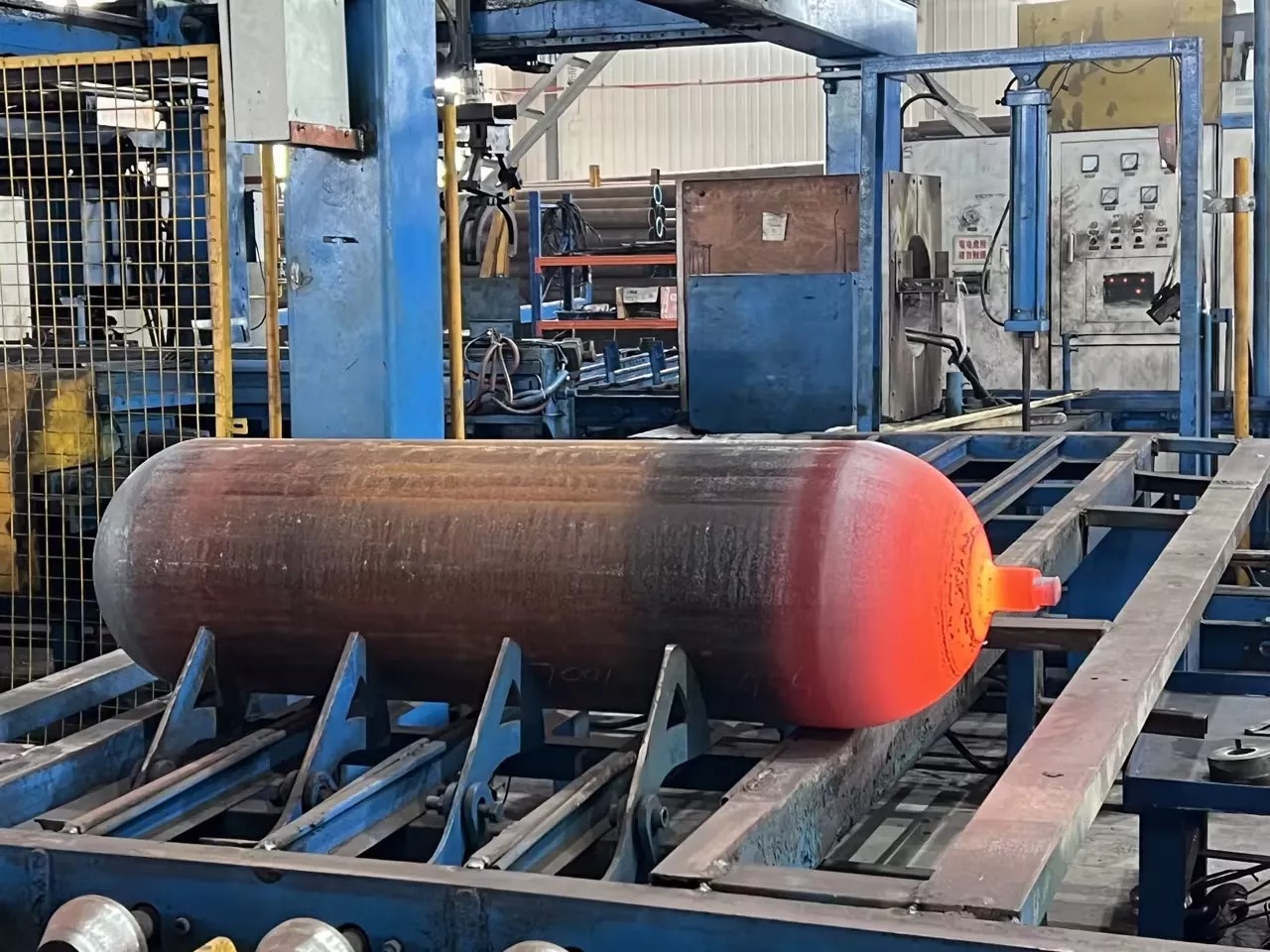
CNG cylinders are designed to withstand extremely high pressures, which is why the materials used in their construction are critical. Most CNG cylinders are made from lightweight yet highly durable materials like carbon fiber, fiberglass, and aluminum. These materials provide the necessary strength to handle pressures of up to 3,600 psi, while also ensuring that the cylinders are not too heavy, which is especially important for vehicle applications.
Carbon fiber, for example, offers an excellent balance of strength and low weight, making it ideal for modern CNG cylinders. It is also resistant to corrosion, which significantly increases the longevity of the cylinder and prevents material degradation over time. Fiberglass and aluminum are similarly chosen for their durability, ability to handle the stress of high-pressure storage, and light weight, which ensures that the overall design remains practical for vehicles and various other applications.
The choice of material plays a crucial role in the performance and safety of CNG cylinders. It ensures the cylinder can withstand not only the high pressure required for storing the gas but also the wear and tear of daily use, especially in automotive and commercial fleet applications.
| Material | Properties | Suitability for CNG Cylinders |
|---|---|---|
| Carbon Fiber | Lightweight, strong, corrosion-resistant | Ideal for modern CNG cylinders, offering high strength with low weight and durability. |
| Fiberglass | Strong, lightweight, resistant to corrosion | Provides strength for handling high-pressure storage while keeping weight low. |
| Aluminum | Lightweight, good strength-to-weight ratio | Durable and lightweight, commonly used in smaller, cost-effective cylinders. |
Safety is a top priority when dealing with high-pressure gases, and CNG cylinders are designed with multiple safety mechanisms to prevent accidents. One such mechanism is the pressure relief device. These devices are built into CNG cylinders to release gas if the internal pressure exceeds safe limits. If the pressure inside the cylinder becomes too high, these devices allow the gas to escape in a controlled manner, preventing the cylinder from rupturing or exploding.
In addition to pressure relief valves, CNG cylinders undergo rigorous testing to ensure that they can withstand extreme conditions and pressures. Safety is not just about preventing failure; it is also about ensuring that, in the event of a malfunction, there are multiple failsafes in place to mitigate the risk of catastrophic failure. Regular inspections and maintenance of these safety devices are also essential in maintaining the cylinder’s reliability.
| Pressure Relief Device | Function | Importance in CNG Cylinders |
|---|---|---|
| Burst Disks | Ruptures at a specified pressure to release gas safely | Prevents cylinder rupture by releasing gas in a controlled manner. |
| Safety Valves | Opens to release excess pressure automatically | Ensures that the internal pressure remains within safe limits, protecting the cylinder from over-pressurization. |
At the top of the CNG cylinder, you’ll find a complex valve system that controls the release of gas when needed. The valve system is essential for ensuring that the gas is released safely and efficiently from the cylinder. It works by allowing gas to flow into the vehicle’s engine or equipment in a controlled and regulated manner.
The valve system is activated when the vehicle or equipment requires fuel, opening the valve to allow the high-pressure gas to flow into the combustion chamber. The valve system ensures that gas is released at a consistent rate, maintaining engine performance and ensuring fuel efficiency. Fittings on the cylinder are also crucial, as they connect the cylinder to refueling stations and vehicle systems. These fittings must be durable, secure, and capable of withstanding the pressure to prevent gas leaks during both fueling and operation.
CNG cylinders often include insulation to help maintain the integrity of the gas stored inside. When CNG is stored at high pressure, temperature fluctuations can occur as the gas is compressed and released during use. These fluctuations can impact the pressure and volume of the gas, which may affect the performance of the engine. Insulation within the cylinder helps to stabilize the temperature, ensuring that the gas remains at a consistent temperature and pressure.
The insulation also plays a role in protecting the cylinder from external temperature changes. In colder environments, insulation prevents the gas from cooling too quickly, while in hotter conditions, it helps the cylinder to stay within safe temperature ranges. This is crucial for maintaining the safe operation and longevity of CNG cylinders.
Filling a CNG cylinder involves pumping natural gas into the cylinder under extremely high pressure. During the filling process, the cylinder’s internal volume is compressed to fit a large amount of gas into a relatively small space. This compression is what makes CNG an efficient fuel for vehicles and industrial applications, allowing a significant amount of energy to be stored in a compact form.
CNG refueling stations are equipped with specialized compressors that ensure the gas is compressed to the appropriate pressure. These stations are designed to fill cylinders safely and quickly, and the process is done following strict safety guidelines to prevent accidents. The filling process typically takes a few minutes, depending on the size of the cylinder.
Once the cylinder is full, the compressed natural gas is ready to be used. When the engine requires fuel, the CNG cylinder’s valve system opens, allowing gas to flow from the cylinder into the engine. The gas then travels through a series of pipes and fittings to the engine’s combustion chamber. In the combustion chamber, the CNG mixes with air and is ignited to produce power, which drives the vehicle or equipment.
The valve and regulator system ensure that the gas is released in a controlled manner. Without this regulation, an uncontrolled release of gas could lead to inefficient fuel delivery, engine performance issues, or even safety risks. The system is designed to provide a smooth flow of fuel for optimal engine performance.
CNG cylinders release gas at high pressure, but vehicles and engines cannot operate at such high pressures. The pressure regulator is a key component in CNG systems, ensuring that the gas is delivered to the engine at a lower, safe pressure. This regulator ensures the gas is reduced to a level that is suitable for combustion, allowing the engine to run efficiently and without risk of damage.
Without proper pressure regulation, engines could experience fuel starvation or over-fueling, both of which could damage the engine or reduce its lifespan. The regulator helps to stabilize the fuel supply and maintain smooth engine operation.
Modern CNG systems are equipped with sophisticated sensors that monitor both the pressure and temperature inside the cylinder. These sensors provide real-time data to the vehicle’s control system, allowing it to adjust the fuel flow and ensure that the system operates safely and efficiently. If any irregularities or unsafe conditions are detected, the system can alert the driver or automatically shut off the fuel supply to prevent accidents.
Monitoring systems not only improve safety but also help optimize fuel efficiency. By continuously adjusting fuel delivery based on real-time data, these systems can ensure that the engine runs at peak performance while using minimal fuel.
CNG is a clean-burning fuel, producing fewer harmful emissions compared to traditional fuels like gasoline and diesel. When burned, CNG releases significantly lower amounts of carbon dioxide (CO2), nitrogen oxides (NOx), and particulate matter. This makes CNG a much cleaner option for vehicles, helping to reduce the environmental impact of transportation.
The adoption of CNG can also contribute to improved air quality in urban areas, where vehicle emissions are a major source of pollution. By using CNG, cities can reduce smog and lower health risks associated with air pollution.
| Emission Type | CNG Cylinder Emissions | Gasoline Emissions | Diesel Emissions |
|---|---|---|---|
| Carbon Dioxide (CO2) | Lower (15-20% less) | Higher | Highest |
| Nitrogen Oxides (NOx) | Low | Moderate | High |
| Particulate Matter | Low | Moderate | High |
| Carbon Monoxide (CO) | Low | Moderate | High |
One of the key benefits of CNG is its cost-effectiveness. CNG is often cheaper than gasoline and diesel, both in terms of price per unit of energy and overall fuel consumption. As a result, switching to CNG can provide significant savings for businesses, fleets, and individual consumers.
Additionally, because natural gas is domestically produced in many regions, CNG is less susceptible to fluctuations in global oil prices, offering more price stability. This makes it a reliable and predictable fuel option for long-term savings.
Natural gas, the source of CNG, is abundant and widely available in many parts of the world. In regions where natural gas infrastructure is well-developed, CNG is a reliable and sustainable fuel option. The infrastructure required to support CNG refueling stations is also expanding globally, making it easier to access CNG for vehicles and industrial purposes.
As global energy production continues to shift toward cleaner fuels, natural gas is expected to remain a key part of the energy mix for the foreseeable future. This widespread availability ensures that CNG will continue to be a stable and reliable fuel source.
By switching to CNG, individuals and companies can significantly reduce their carbon footprint. The lower emissions from CNG help to decrease greenhouse gases, contributing to global efforts to combat climate change. This is especially important in the transportation sector, which is a major contributor to carbon emissions worldwide.
Using CNG also supports the development of a greener future by promoting the use of cleaner, renewable fuels. The continued adoption of CNG can help reduce reliance on fossil fuels and promote a shift toward more sustainable energy sources.
CNG cylinders are designed with multiple safety features to ensure safe operation. These features include burst disks, which are designed to rupture at a specific pressure, allowing gas to escape safely if the cylinder is over-pressurized. In addition to burst disks, safety valves prevent gas leaks during storage and use, providing an additional layer of protection.
The overall design of CNG cylinders includes features such as reinforced materials and safety checks to ensure that the cylinder can withstand extreme conditions. Regular testing and maintenance of these safety features are essential for keeping the cylinder in top condition.
Regular inspections are essential to ensure that CNG cylinders continue to perform safely and efficiently. These inspections check for signs of wear, corrosion, and any potential damage that could compromise the cylinder's integrity. Routine maintenance, including pressure testing and valve checks, helps prolong the life of the cylinder and ensures that it complies with safety standards.
Periodic inspections help identify potential issues before they become serious, reducing the risk of leaks, ruptures, or other safety concerns.
Proper installation and maintenance of CNG cylinders are critical to preventing leaks and ruptures. Ensuring that valves, fittings, and seals are correctly installed and checked for integrity can prevent dangerous leaks. Additionally, training drivers and operators in proper handling procedures can minimize the risk of mishandling and accidents.
Regular checks on the integrity of the cylinder and associated components can help avoid the most common causes of leaks, such as improper sealing or corrosion.
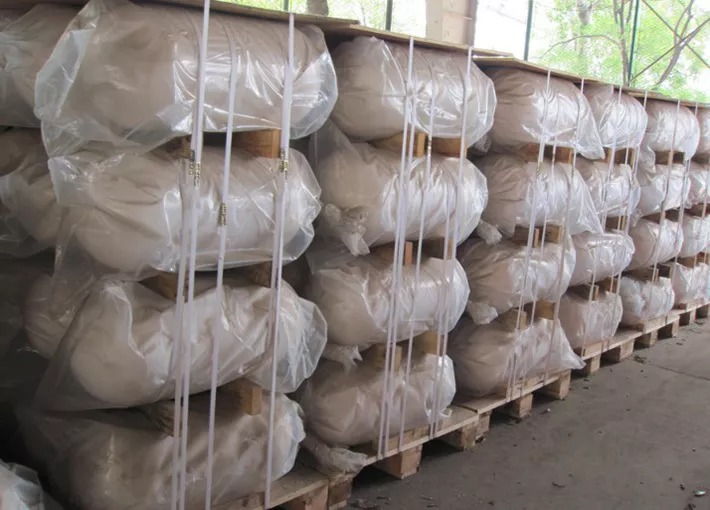
Many city buses and taxis have switched to CNG as a way to reduce emissions and lower operating costs. CNG-powered public transport vehicles are not only more environmentally friendly but also more economical over the long term. The reduced fuel costs and lower emissions make CNG a sustainable solution for urban areas.
By using CNG, public transport fleets can contribute to cleaner air and help reduce the overall environmental impact of city transportation.
Commercial fleets, such as delivery trucks and logistics vehicles, are increasingly adopting CNG to save on fuel costs and comply with environmental regulations. CNG provides a cost-effective and environmentally friendly alternative to diesel, which is widely used in the freight industry.
With CNG’s lower operational costs and environmental benefits, it’s a growing choice for businesses looking to reduce their carbon footprint and operational expenses.
Private car owners are also choosing to convert their vehicles to run on CNG. This conversion offers several benefits, including lower fuel costs and a smaller environmental footprint. While the initial investment in a conversion kit can be significant, the savings in fuel costs can quickly offset the investment.
Private vehicle conversions help individuals contribute to environmental sustainability while reducing their dependence on gasoline or diesel.
CNG cylinders are also used in various industrial applications, such as backup power generators and industrial heating systems. CNG offers a reliable, clean, and cost-effective fuel source for industries that require constant energy supply.
Many industries are turning to CNG as a way to reduce their energy costs while also adhering to environmental regulations. The use of CNG in backup generators is especially useful, as it provides a stable energy source in case of power outages.
| Sector | CNG Cylinder Application | Benefits of Using CNG |
|---|---|---|
| Public Transport | Buses, taxis, and other city vehicles | Reduced emissions, lower fuel costs, cleaner air in cities. |
| Commercial Fleets | Delivery trucks, logistics vehicles | Cost savings, compliance with environmental regulations, lower emissions. |
| Private Vehicles | Conversion of personal cars to CNG | Reduced fuel costs, lower environmental impact, increased sustainability. |
| Industrial | Backup generators, industrial heating systems | Reliable energy source, cost-effective, cleaner energy. |
CNG cylinders are essential for storing and delivering compressed natural gas, ensuring its safe and efficient use in various sectors. They are designed with advanced materials and safety features, providing a secure, eco-friendly fuel option. As global energy shifts toward sustainability, CNG offers significant cost savings and helps reduce emissions.
By understanding the functionality of CNG cylinders, businesses and individuals can make informed choices about adopting this green energy alternative. CNG plays a vital role in shaping a more sustainable future.
Beijing SinoCleansky Technologies Corp offers cutting-edge solutions in CNG cylinder technology. Their products provide unmatched efficiency and safety, delivering substantial value to customers in transportation and industrial sectors.
A: A CNG cylinder is a specialized container used to store compressed natural gas (CNG) at high pressures, allowing it to be used as a fuel for vehicles, industrial applications, and even residential purposes.
A: A CNG cylinder works by compressing natural gas to high pressure, typically between 3,000 to 3,600 psi, and storing it safely in a durable container made from materials like carbon fiber or fiberglass.
A: CNG cylinders are commonly made from lightweight yet durable materials such as carbon fiber, fiberglass, and aluminum, ensuring they can withstand high pressure while remaining lightweight for practical use.
A: CNG is considered eco-friendly because it produces fewer emissions compared to gasoline and diesel, significantly reducing carbon dioxide, nitrogen oxides, and particulate matter.
A: CNG cylinders are equipped with safety features like pressure relief valves and burst disks to prevent over-pressurization and ensure that gas is released safely if necessary.


