
What is LNG used for? Liquefied Natural Gas (LNG) is more than just a fuel—it powers homes, businesses, industries, and even transportation. Its high energy density, cleaner combustion, and flexible transport make LNG ideal for residential heating, industrial processes, and off-grid applications. Whether you’re looking at LNG for homes, LNG in commercial buildings, or LNG as fuel for heavy vehicles, understanding its uses helps you make smarter energy choices while supporting sustainability and energy security across sectors.
Liquefied Natural Gas (LNG) isn’t just an industrial fuel. Its versatility stretches across homes, commercial buildings, factories, transportation, and even remote communities. Below, we break down the main ways LNG is used and why it’s becoming a cornerstone of modern energy systems.
LNG is increasingly a practical choice for households, especially in regions where pipeline access is limited.
Home Heating
By converting LNG back into gas—a process called regasification—residential heating systems can deliver consistent warmth. Compared to oil or coal, LNG burns cleaner, produces fewer emissions, and often costs less. For remote villages or mountain towns without natural gas pipelines, LNG is a game-changer, providing reliable heat even in extreme weather.
Cooking
Home kitchens benefit from LNG’s clean-burning properties. It delivers steady heat, which improves cooking precision and shortens cooking times. Unlike propane or butane, it leaves less residue, reducing indoor pollution and making homes safer.
Household Appliances
Water heaters, laundry machines, and air conditioners can run efficiently on LNG. In regions with unreliable electricity, LNG ensures that essential appliances continue functioning. Many new appliances even allow dual-fuel operation, switching between LNG and electricity or other fuels when needed.
Benefits
Significant reduction in CO2 emissions
Lower household energy costs
Improved energy security in off-grid or semi-urban areas
Supports flexible energy management for smart homes
Businesses and commercial facilities increasingly rely on LNG to power daily operations while meeting sustainability targets.
Space Heating for Buildings
LNG integrates with commercial heating systems in offices, hotels, and shopping centers. It provides reliable warmth, reduces carbon footprints, and can replace traditional fuels like heating oil without extensive infrastructure changes.
Commercial Cooking Systems
Large-scale kitchens—from restaurants and catering companies to industrial food production—benefit from LNG’s high energy output. It allows faster cooking cycles, reduces fuel waste, and lowers emissions compared to propane or diesel stoves.
Backup Energy Solutions
Offices, hospitals, and hotels often use LNG as a backup fuel during grid outages. Regasification units and onsite LNG storage ensure continuous operations without power interruptions, which is critical in healthcare or data-driven industries.
Infrastructure Considerations
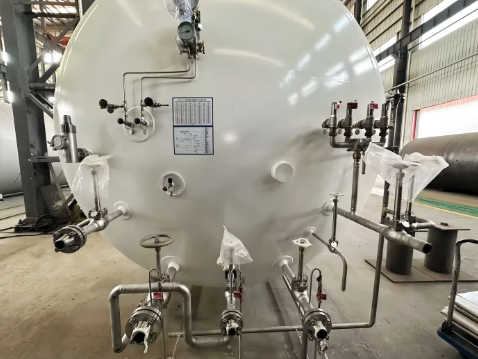
Cryogenic LNG storage tanks ensure fuel safety and stability
Modular regasification units allow easy scaling for demand
Comprehensive safety protocols reduce risks in high-traffic environments
Industrial sectors are turning to LNG for its energy efficiency and environmental advantages.
Power Generation
Utility and industrial plants use LNG to replace coal or oil in electricity generation. It produces fewer pollutants while maintaining consistent energy output.
Manufacturing Processes
High-temperature industrial processes—such as steel smelting or chemical reactions—require steady, high-energy input. LNG delivers reliable heat, reduces downtime, and lowers operational costs.
Chemical Production Feedstock
LNG serves as a raw material in producing methanol, ammonia, plastics, and fertilizers. Its use supports cleaner production and helps manufacturers meet increasingly strict environmental standards.
Benefits
Reduced greenhouse gas emissions
High thermal efficiency for continuous operations
Compatible with existing industrial infrastructure
Supports sustainability goals in heavy manufacturing
LNG is emerging as a practical and eco-friendly alternative to conventional fuels in heavy transport.
Heavy-Duty Vehicles
Trucks, buses, and other large vehicles increasingly run on LNG. Compared to diesel, it emits less CO2 and nitrogen oxides, reduces engine noise, and often lowers fuel costs over time.
Marine Fuel
LNG helps ships comply with strict IMO sulfur emission regulations. Cleaner combustion reduces sulfur and nitrogen oxides while maintaining energy efficiency. LNG-powered ships are gaining momentum, especially for cargo and passenger vessels navigating emission-sensitive ports.
Supporting Infrastructure
LNG fueling stations with cryogenic storage
Modular refueling facilities that can scale for demand
Integration with fleet management systems to optimize fuel supply

One of LNG’s biggest advantages is reaching regions where conventional gas pipelines can’t.
Challenges
Remote towns, mining sites, islands, and rural communities often face high costs or logistical hurdles for traditional fuel delivery.
LNG Solutions
Modular LNG facilities can serve as either a primary or backup energy source. It can provide electricity, heating, and industrial energy without relying on long-distance pipelines. Cryogenic storage tanks make it feasible to maintain continuous supply even in harsh climates.
Advantages
Rapid deployment in off-grid locations
Flexible energy management for seasonal or fluctuating demand
High energy density ensures less frequent deliveries
Supports decentralization and local energy independence
Example Table: LNG Uses by Sector
| Sector | LNG Applications | Key Benefits |
|---|---|---|
| Residential | Heating, Cooking, Appliances | Lower emissions, cost savings, reliability |
| Commercial | Space heating, Kitchens, Backup power | Cleaner energy, efficient, flexible |
| Industrial | Power generation, Manufacturing, Feedstock | Continuous operation, reduced pollution |
| Transportation | Trucks, Buses, Ships | Cleaner fuel, compliance, reduced noise |
| Remote Areas | Off-grid electricity & heating | Flexible, high-density, scalable |
LNG isn’t just versatile—it’s also cleaner and more efficient than many traditional fuels. Its environmental profile and energy density make it a key player in modern energy strategies.
LNG burns cleaner than coal, oil, or diesel. It emits significantly lower CO2, sulfur oxides (SOx), and nitrogen oxides (NOx). For instance, switching from coal-fired power to LNG can cut CO2 emissions by over 50% in power generation. Compared to diesel, LNG reduces nitrogen oxide emissions by up to 85%, which improves air quality in urban and industrial areas. Unlike oil or coal, it leaves minimal ash and particulate matter.
Key Advantages of LNG over other fossil fuels:
Cleaner combustion reduces greenhouse gases
Fewer pollutants improve public health and environmental outcomes
High energy density allows smaller storage and transport volumes
Flexible integration in industrial, commercial, and residential systems
| Fuel Type | CO2 Emissions | SOx Emissions | NOx Emissions | Particulate Matter |
|---|---|---|---|---|
| Coal | High | High | High | High |
| Oil | Medium | Medium | Medium | Medium |
| Diesel | Medium | Low | Medium | Medium |
| LNG | Low | Negligible | Low | Very Low |
LNG is also adaptable. It works as a primary fuel or backup in areas where infrastructure limits alternative options, supporting cleaner energy transitions across sectors.
LNG is increasingly seen as a transitional fuel. It bridges the gap between traditional fossil fuels and renewable energy sources like solar and wind. By integrating LNG, industries and power grids reduce carbon footprints while maintaining reliable energy supply. Its ability to be stored, transported, and regasified ensures energy security even in remote or off-grid areas.
Modern infrastructure complements LNG’s efficiency. For example, LNG precast concrete allows rapid deployment of storage and regasification facilities. Modular designs shorten construction time and improve durability, enabling scalable energy solutions.
Why LNG fits a net-zero future:
Supports gradual shift from high-carbon fuels
Reduces emissions without compromising energy reliability
Works seamlessly with advanced infrastructure technologies
Enables flexible energy strategies for industrial, commercial, and residential users
By combining lower emissions, operational efficiency, and infrastructure adaptability, LNG helps societies move toward cleaner energy while maintaining stability across energy networks.
LNG isn’t just an energy source—it’s a strategic commodity shaping global markets, trade policies, and regional energy security. Its economic value spans countries, industries, and communities, making it a crucial component of modern energy planning.
LNG allows nations to diversify energy sources beyond domestic gas fields or pipelines. Exporters like Qatar, Australia, and the United States leverage LNG to strengthen trade positions and generate revenue. For importers, LNG enhances energy security, enabling countries to secure supply even during local production shortfalls. Its transport flexibility—via tankers or cryogenic trucks—means energy can reach markets inaccessible to pipelines.
Key points about global LNG trade:
Facilitates international energy partnerships and contracts
Supports geopolitical energy stability
Enables access to remote or off-grid regions
Acts as a hedge against fossil fuel volatility
Building LNG infrastructure requires substantial investment, but modern approaches are making projects faster and more efficient. Terminals, pipelines, and storage tanks now often rely on modular construction, improving scalability and safety.
Advances in LNG logistics:
Cryogenic storage solutions reduce boil-off and energy loss
Regasification units enable local distribution efficiently
Modular plants allow rapid deployment in remote or urban areas
Modern LNG infrastructure links economic benefits with strategic energy security. It allows countries to plan long-term, diversify supply chains, and meet growing energy demand while integrating cleaner technologies.
A: LNG is natural gas cooled to −162°C, turning it into liquid. This reduces volume by about 600 times, making storage and transport easier, unlike gaseous natural gas delivered via pipelines.
A: Yes, LNG is regasified for home heating, providing efficient, clean energy. It works well in remote areas lacking pipeline access and reduces reliance on oil or coal.
A: LNG is transported in specialized cryogenic tankers or trucks, maintaining low temperatures. Safety protocols include leak detection, odorization, and regulated storage facilities.
A: Power generation, manufacturing, chemical production, heavy transport, marine shipping, and commercial buildings all benefit from LNG’s high energy density and cleaner burn.
A: LNG emits less CO2, sulfur oxides, and nitrogen oxides than coal, oil, or diesel, supporting cleaner energy transitions and lowering the carbon footprint across sectors.
Exploring what LNG is used for shows how versatile and efficient this energy source really is. From powering remote communities to keeping industries running smoothly, LNG delivers cleaner energy, cost savings, and reliable supply when and where it’s needed.
Beijing SinoCleansky Technologies Corp leads the way as a key equipment manufacturer and one-stop provider of CNG, LNG, and NG solutions. Their modular technologies, like the LNG Modular Regas Skid, integrate storage, regasification, and distribution, giving businesses and communities ready access to safe, efficient gas energy.


