
What is LNG? Simply put, LNG, or liquefied natural gas, is natural gas cooled into a liquid for easier storage and transport. It’s a versatile, low-carbon energy source powering homes, industries, and transportation worldwide. LNG offers safety, environmental benefits, and flexibility unmatched by traditional pipelines. In this article, we explore LNG’s key features, safety measures, advantages over coal, oil, and piped gas, and how it fits into the future of clean energy. Let’s dive in and see why LNG matters today.
LNG is naturally non-toxic, colorless, odorless, and non-corrosive. In its liquid state, it won’t catch fire. It only burns after turning into gas and mixing with air within the right ratio. Because of this, LNG storage tanks and transport systems use strict safety measures. Workers follow special procedures, and vessels and terminals are engineered to prevent leaks and spills. Even during long-distance shipping, LNG has an impressive safety record, thanks to robust design and monitoring systems.
LNG produces significantly lower greenhouse gas emissions than coal and oil. Burning natural gas emits about 45% less CO₂ than coal per unit of energy. This makes it a cleaner option for power plants, industries, and transport. We can also use biomethane or low-carbon gases as alternatives. They work just like LNG but are even closer to carbon-neutral. Using LNG instead of heavier fossil fuels reduces the environmental footprint of energy production and transport.
One of LNG’s biggest benefits is volume reduction. Cooling natural gas to liquid shrinks it by roughly 600 times, so it fits easily into tanks and ships. This makes global transport feasible, even to regions far from pipelines. LNG tankers carry the fuel safely across oceans, and specialized equipment ensures it stays cold and stable. Compared to pipelines, LNG offers flexibility: it can reach areas pipelines cannot. Pipelines are fixed, whereas LNG lets us move energy almost anywhere efficiently.
| Feature | LNG | Piped Natural Gas |
|---|---|---|
| Volume reduction | ~600× | N/A |
| Transport flexibility | High, via ship or truck | Limited to pipeline routes |
| Safety in storage | Non-flammable liquid | Gas under pressure, leak risk |
| Environmental impact | Lower CO₂ emissions | Depends on source & transport distance |
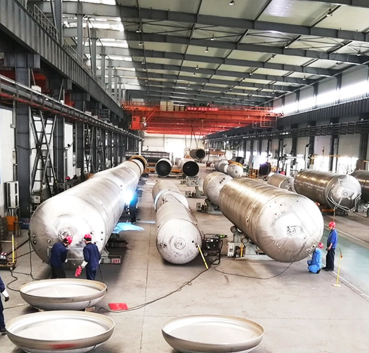
LNG is safe in liquid form, but it can be hazardous when vaporized. Its flammability range is narrow—between 5% and 15% in air. Leaks or accidental vaporization create fire risks if gas mixes with air within this range. Refueling vehicles or handling LNG requires training to prevent frostbite and accidental ignition. Safety protocols include monitored storage tanks, ventilation systems, and strict operational procedures. They keep workers, equipment, and nearby communities protected.
Key Safety Measures:
Controlled vapor release systems
Specialized personal protective equipment (PPE)
Emergency response plans and drills
Regular inspections and leak detection sensors
LNG history shows why strict safety rules matter.
| Year | Location | Incident | Outcome / Lesson |
|---|---|---|---|
| 1944 | Cleveland, USA | LNG tank failure | 128 deaths; highlighted material quality, containment design |
| 1973 | Staten Island, USA | Ignition during tank cleaning | 40 deaths; emphasized procedural checks and confined space safety |
| 2004 | Skikda, Algeria | Liquefaction plant explosion | 27 deaths; reinforced importance of plant layout and refrigeration safety |
After these events, LNG regulations improved dramatically. Modern facilities use advanced engineering, safety systems, and continuous monitoring. Lessons learned guide operators in reducing risk, preventing leaks, and ensuring safe storage and transport.
Engineering design must anticipate worst-case scenarios
Operational training reduces human error
Regular safety audits prevent accidents before they happen
LNG produces significantly less greenhouse gas than coal. Over its full lifecycle, it emits around 25% fewer greenhouse gases per unit of energy. When burned, it releases roughly 45% less CO₂ than coal for the same heat output. Beyond emissions, LNG burns cleaner, leaving fewer particulates and sulfur oxides. This makes it a preferred choice for power plants seeking efficiency and lower environmental impact.
| Feature | LNG | Coal |
|---|---|---|
| CO₂ Emissions | ~45% lower at combustion | Baseline |
| Sulfur Oxides | Minimal | High |
| Operational Efficiency | Higher | Moderate |
| Environmental Footprint | Lower | Higher |
Transporting LNG can sometimes produce more emissions than local piped natural gas. Emissions increase during liquefaction, shipping, and regasification. However, over long distances—especially thousands of kilometers—LNG can be cleaner than extensive pipelines, which lose gas via leaks and energy use. Regional pipelines remain advantageous when gas sources are nearby, reducing transport energy and costs.
LNG supports global gas trade
Pipelines better for local supply
Emissions depend on distance, transport method
LNG is increasingly replacing oil and diesel in power generation and heavy transport. It offers cleaner combustion, lower CO₂ emissions, and reduced particulate matter. Diesel engines still dominate long-haul trucking, but LNG provides a cost-effective alternative that meets stricter emission standards. In power generation, LNG turbines ramp up quickly, complementing renewable sources like wind and solar.
Advantages of LNG over Oil/Diesel:
Lower greenhouse gas emissions
Reduced local air pollution
Flexible for power and transport applications
Economic benefits depend on market prices and infrastructure availability
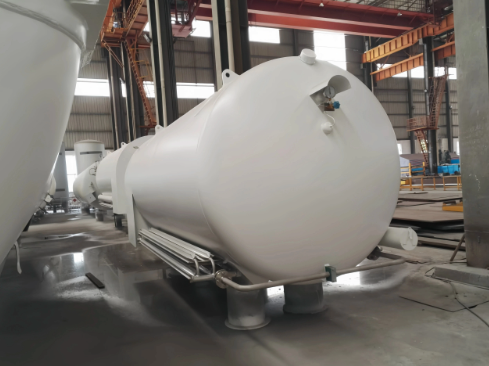
LNG acts as a flexible partner for renewable energy. It can quickly supply power when solar, wind, or hydro output drops. This flexibility helps grids stay stable and reduces dependence on coal and oil. Many countries see LNG as a bridge fuel, supporting cleaner energy transitions without sacrificing reliability.
Balances intermittent renewable output
Reduces high-emission fuel use
Supports grid stability and peak demand
New technologies make LNG more versatile and accessible. Small-scale LNG plants allow local supply in remote areas. Floating LNG terminals bring terminals closer to markets without major infrastructure. Biomethane, when liquefied as LBM, can substitute LNG while being near carbon-neutral. These innovations open opportunities for clean, flexible energy in transport, industry, and residential sectors.
Localized small-scale LNG production
Floating storage and regasification units
Biomethane and LBM applications
LNG trade is expanding rapidly. Demand rises in Asia, Europe, and the Americas, driven by industrial growth and energy transition policies. Leading exporters include Qatar, Australia, and the U.S., while top importers are Japan, China, and South Korea. Policy support, infrastructure investments, and long-term contracts continue shaping global LNG markets.
| Aspect | Trend |
|---|---|
| Demand | Steady growth worldwide |
| Exporters | Qatar, Australia, U.S. |
| Importers | Japan, China, South Korea |
| Investment | Rising in LNG infrastructure and technology |
A: LNG is natural gas cooled to -162°C, turning it into liquid. This reduces volume ~600 times, making storage and global transport easier than gaseous natural gas.
A: LNG is stored in insulated cryogenic tanks, preventing leaks and maintaining low temperature. Safety measures include pressure relief systems and strict handling protocols.
A: In liquid form, LNG is non-flammable. It must vaporize, mix with air (5–15%), then ignite to burn.
A: LNG emits ~25% less greenhouse gas than coal over its lifecycle and ~45% less CO₂ at combustion. Biomethane liquefied can further reduce emissions.
A: LNG can reduce coal and oil use but may not fully replace them due to infrastructure and energy demand variability.
LNG is transforming how we access and use natural gas, offering cleaner energy, safer storage, and global transport options. Its ability to complement renewables, reduce emissions, and power industries makes it a smart choice for today’s energy landscape.
At Beijing SinoCleansky Technologies Corp, we provide top-tier equipment, innovative CNG/LNG/NG solutions, and comprehensive services to meet every gas-related need. Whether for power generation, transport, or industrial applications, they ensure clients have reliable, efficient, and safe LNG systems tailored for real-world performance.


