Views: 0 Author: Site Editor Publish Time: 2026-07-15 Origin: Site
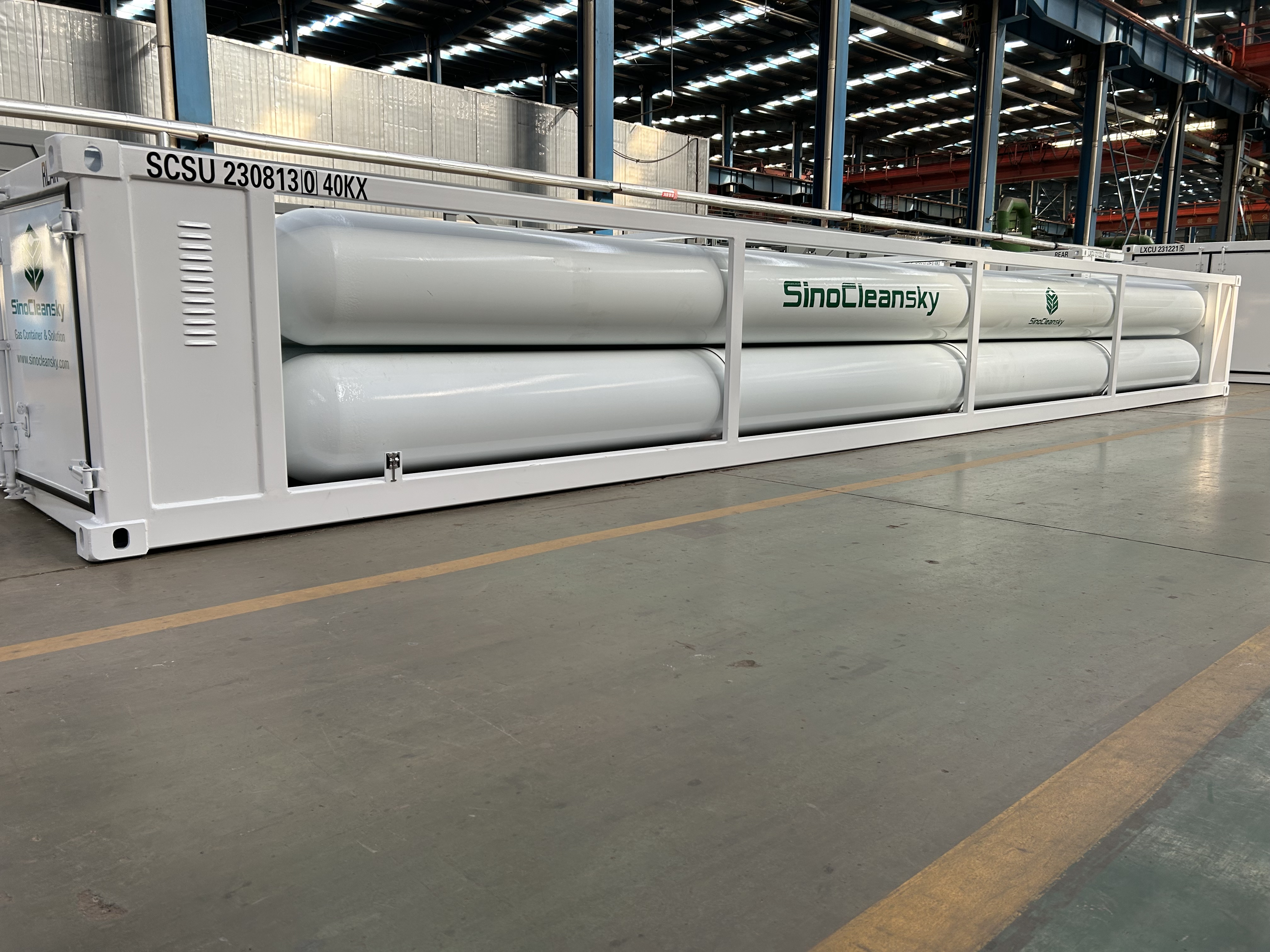
Stranded gas assets present a persistent logistical reality for energy operators worldwide. When physical pipeline infrastructure is unavailable, geographically impossible, or economically unviable, companies must rely on virtual pipelines to transport large volumes of compressed natural gas. The backbone of this mobile distribution network is the high-capacity transport vessel. Procuring a CNG Jumbo Tube Skid represents a high-stakes operational decision. Choosing the wrong configuration leads to reduced payload efficiency, regulatory bottlenecks, increased maintenance downtime, and severe safety liabilities.
Operators need a structured evaluation framework to navigate this complex procurement process. Selecting the optimal transport equipment requires a deep understanding of material science, volumetric capacity limits, and strict regulatory compliance frameworks like DOT and ISO. By aligning technical specifications with specific route demands and gas compositions, logistics teams can maximize payload capacity while maintaining uncompromising safety standards across their entire distribution network.
Payload vs. Weight Optimization: Maximizing gas transport efficiency requires balancing total cubic capacity against the tare weight of the skid, directly impacting transportation costs.
Strict Regulatory Alignment: Procurement must be dictated by regional and international compliance standards, specifically DOT (US) or ISO (International) certifications, to ensure legal transport and operational safety.
Material Trade-offs: The choice between traditional steel (carbon vs. stainless), aluminum, and advanced composite cylinders (Type I through Type IV) dictates the skid’s lifespan, corrosion resistance, inspection frequency, and initial capital cost.
Safety Integration is Paramount: High-performance skids must integrate fail-safes such as Emergency Shutdown Systems (ESD), breakaway couplings, and proper static grounding infrastructure.
Manufacturer Vetting is Critical: Mitigating implementation risks requires evaluating manufacturers on supply chain transparency, international welding certifications, lead times, and post-sale engineering support.
Table of Contents
Every virtual pipeline project demands a tailored approach to equipment selection. You must first assess the primary application driving your gas transport requirements. Industrial gas supply operations often require continuous, high-volume deliveries to sustain manufacturing processes. Virtual pipeline distribution networks feeding remote municipalities demand reliable, all-weather equipment capable of handling variable discharge rates. Vehicular refueling stations require specific pressure thresholds to cascade gas into dispensers effectively. Peak shaving operations for utility grids necessitate rapid-deployment skids that can sit idle for months and then discharge massive volumes instantly during high-demand winter events.
Transport modalities dictate the physical boundaries of your equipment. You must map these modalities against the dimensional and weight restrictions enforced by every jurisdiction along your intended transit routes to prevent impoundment or route deviations. Consider the following transport modes:
Road Transport: Requires strict adherence to highway weight limits, axle load distribution, and bridge clearance heights. Overweight permits add administrative burdens and delay shipments.
Rail Transport: Introduces severe dynamic loads and vibration frequencies. The skid frame must withstand continuous shunting impacts and harmonic vibrations without transferring stress to the cylinder necks.
Maritime Transport: Demands specialized ISO frame certifications and enhanced corrosion protection. Saltwater exposure rapidly degrades standard carbon steel frames, requiring marine-grade epoxy coatings or galvanized finishes.
Operational success relies on accurate volume forecasting. Define your required daily delivery volumes to calculate the exact number of transport units needed. This calculation determines the optimal cylinder capacity per unit, which typically ranges from 1,000 to over 5,000 cubic feet per skid. Oversizing your equipment leads to underutilized capacity, while undersizing forces excessive trip frequencies and accelerates equipment wear.
Volume-to-weight optimization remains the primary engineering challenge. You must maximize the payload capacity while keeping the gross vehicle weight rating strictly within legal limits. This requires analyzing the tare weight of the skid frame and the empty cylinders. Heavy steel configurations offer durability but severely restrict the amount of gas you can legally haul on public highways.
Turnaround times dictate the velocity of your logistics chain. Establish acceptable timeframes for both loading at the mother station and decanting at the daughter station. Slow manifold designs or restrictive valve orifices create bottlenecks, leaving expensive transport assets sitting idle on the pad. Efficient operations require high-flow manifolds that allow rapid pressure equalization without triggering thermal safety limits.
Typical Payload vs. Weight Considerations | |||
Skid Configuration | Average Tare Weight (lbs) | Estimated Gas Capacity (SCM) | Best Use Case |
|---|---|---|---|
Type I (All Steel) 20ft | 45,000 - 55,000 | 3,500 - 4,500 | Short-haul, stationary storage, heavy industrial |
Type II (Hoop Wrapped) 40ft | 35,000 - 45,000 | 6,000 - 8,000 | Medium-haul, regional distribution |
Type IV (Full Composite) 40ft | 20,000 - 28,000 | 9,000 - 12,000+ | Long-haul, maximum payload highway transport |
The core of any CNG Jumbo Tube Skid is its cylinder technology. Type I cylinders represent the traditional all-metal approach. Carbon steel offers a rugged, proven solution with exceptional resistance to external mechanical damage. Stainless steel variants provide superior corrosion resistance, making them essential when transporting wet gas or sour gas containing hydrogen sulfide. While Type I cylinders boast long-term durability, their massive tare weight significantly limits the volume of gas you can legally transport per trip.
Type II and Type III cylinders introduce composite materials to reduce weight. Type II features a metal liner reinforced with a composite hoop wrap around the cylindrical section, offering moderate weight reduction. Type III utilizes a thinner metal liner fully wrapped in composite material, allowing for higher pressure tolerances and substantial weight savings. These intermediate options balance payload efficiency with structural resilience.
Type IV cylinders utilize a non-metallic polymer liner fully wrapped in high-strength carbon fiber. This advanced material science delivers the lightest possible tare weight and the highest payload capacity available in the industry. The dramatic weight reduction allows operators to transport significantly more gas per trip. However, the carbon fiber exterior is highly vulnerable to direct mechanical impacts, requiring robust frame protection and careful handling protocols to prevent catastrophic structural degradation.
Operating pressure directly dictates the volume of energy you can pack into a confined space. Standard operating pressures for commercial transport typically range from 250 bar (3,600 psi) to 300 bar (4,350 psi). Higher pressure ratings allow you to store more standard cubic meters of gas within the same physical footprint. You must verify that your compression infrastructure at the mother station can efficiently reach these elevated pressures without excessive thermal buildup.
The gas-to-weight ratio serves as the ultimate metric for transport efficiency. You must calculate exactly how much actual product moves per trip versus the dead weight of the transport vessel. A skid with a poor gas-to-weight ratio forces your fleet to burn diesel primarily to move heavy steel cylinders rather than delivering marketable energy. Optimizing this ratio requires selecting the right cylinder type and operating pressure for your specific route limits.
The structural framework protecting the cylinders must integrate seamlessly with global logistics networks. Review standard ISO container footprint compatibility. Skids engineered to exact 20-foot, 30-foot, or 40-foot ISO dimensions allow for frictionless integration with standard trailer chassis, rail cars, and intermodal port facilities. Custom dimensions often require specialized trailers, severely limiting fleet flexibility and complicating emergency transport scenarios.
Structural integrity cannot be compromised. The frame must provide comprehensive crashworthiness to protect the high-pressure vessels during transit accidents. Evaluate the inclusion of roll-over protective structures designed to absorb impact energy. The frame must also incorporate advanced vibration dampening materials between the cylinders and the steel supports to prevent metal fatigue caused by continuous dynamic loads during rough transit over unpaved access roads.
Regulatory compliance dictates where and how you can operate your equipment. For North American highway operations, strict adherence to Department of Transportation (DOT) regulations is mandatory. DOT compliance governs everything from cylinder manufacturing tolerances to emergency venting requirements. Operating non-compliant equipment on US highways invites immediate impoundment and severe legal liabilities.
International and maritime transport requires adherence to ISO 11120 and ISO 668 standards. These frameworks ensure the equipment can withstand the unique stresses of ocean transit, including extreme temperature fluctuations and corrosive salt spray. Furthermore, pressure vessel engineering must align with ASME Section VIII standards. Local jurisdictions often require specific approvals, such as the Transportable Pressure Equipment Directive (TPED) for European operations or the Special Equipment Licensing Office (SELO) certification for deployment within China.
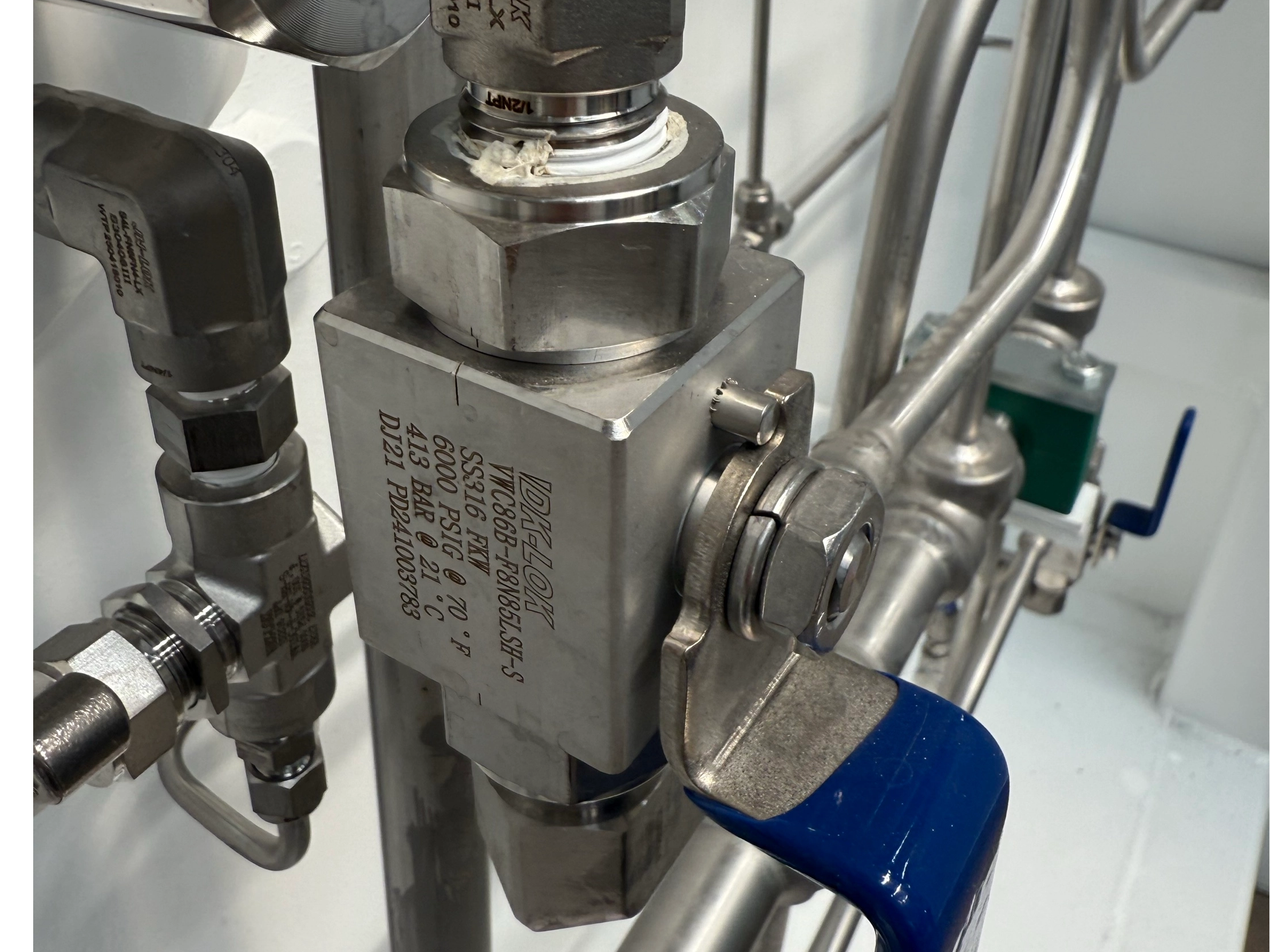
The manifold architecture determines both operational efficiency and system safety. Single-point loading and unloading systems simplify operator connections and reduce the risk of coupling errors. Multi-point systems offer redundancy but increase the number of potential leak paths. The manifold must be constructed from high-grade stainless steel to resist internal corrosion and external environmental degradation.
Pressure Relief Devices serve as the primary defense against catastrophic over-pressurization. You must assess the integration and reliability of both thermally activated and pressure-activated PRDs. Thermally activated devices respond to external fire conditions, venting the gas before the cylinder material weakens. Pressure-activated devices protect against overfilling at the compression station. These devices must be manifolded to vent gas safely away from operators and ignition sources.
Active safety integrations separate standard equipment from high-performance assets. Pneumatically or hydraulically actuated Emergency Shutdown valves allow operators to instantly halt gas flow from a safe distance during a leak. Breakaway couplings on the transfer hoses prevent catastrophic manifold damage if a driver attempts to pull away while still connected to the station. Dual static grounding lugs are mandatory to eliminate static charge buildup during high-velocity gas transfer operations.
Advanced equipment requires competent human interaction. You must assess the level of training required for ground-level operators to safely connect, monitor, and decant the equipment. Complex manifold systems with multiple isolation valves increase the risk of procedural errors. The equipment design should prioritize intuitive operation with clear, permanent labeling for all flow directions and valve states.
Manufacturer support extends beyond the physical hardware. Evaluate the availability of comprehensive standard operating procedures provided by the manufacturer. These documents must detail exact sequences for purging lines, equalizing pressures, and executing emergency venting protocols. Operators must drill these procedures regularly to ensure rapid, coordinated responses to potential containment breaches.
Pre-Connection Inspection: Operators must visually inspect all O-rings, manifold threads, and grounding cables before attaching transfer hoses.
Pressure Equalization: Valves must be opened sequentially to prevent pressure spikes that can damage downstream metering equipment.
Continuous Monitoring: Personnel must monitor temperature gauges during rapid decanting to prevent extreme chilling of the manifold components.
Post-Transfer Purging: Hoses must be safely depressurized and purged with inert gas before physical disconnection.
High-pressure transport vessels require rigorous ongoing inspection. Regulatory jurisdictions mandate strict testing intervals based on the cylinder material and operating environment. Outline the requirements for acoustic emission testing or traditional hydrostatic testing. Acoustic emission testing allows for structural evaluation without introducing water into the cylinders, preventing internal corrosion issues associated with hydrostatic methods.
Mandatory recertifications, typically required at 5-year or 10-year intervals, demand careful logistical planning. You must factor in the operational downtime required to remove the skid from service, transport it to a certified testing facility, and complete the recertification process. Maintaining a rotating surplus of transport assets ensures your virtual pipeline continues flowing while individual units undergo mandatory regulatory inspections.
The engineering integrity of a high-pressure gas transport system relies entirely on the manufacturer's capabilities. Procurement teams must look for verifiable track records in producing high-pressure vessels. Demand proof of adherence to strict Quality Management Systems, specifically ISO 9001 certifications. A manufacturer's facility should demonstrate rigorous cleanliness standards and precise environmental controls during the cylinder winding or welding processes.
Verify specialized engineering credentials before finalizing any vendor selection. Certified welding procedures, particularly ASME Section IX compliance, are non-negotiable for the structural frame and manifold assemblies. The manufacturer must employ comprehensive non-destructive testing protocols. This includes mandatory ultrasonic thickness testing of cylinder walls and radiographic inspection of all critical manifold welds to detect microscopic subsurface defects before the equipment enters service.
Project development timelines are highly vulnerable to equipment delivery delays. You must address the risk of project delays caused by raw material shortages. High-grade stainless steel for manifolds and aerospace-grade carbon fiber for Type IV cylinders frequently experience global supply chain disruptions. Engage manufacturers in detailed discussions about their current raw material inventory and their relationships with primary material suppliers.
Protect your operational launch dates through strict contractual frameworks. Establish clear delivery milestones and enforce contractual penalties for missed delivery windows. A manufacturer's willingness to accept these terms often indicates their confidence in their internal supply chain and production scheduling capabilities. Transparent communication regarding production bottlenecks is essential for maintaining project momentum.
Equipment procurement marks the beginning of a long-term operational relationship. Evaluate the specific scope of the manufacturer’s warranty. Distinguish between coverage for structural fatigue on the frame and cylinders versus normal wear and tear on consumable components like manifold valves and O-rings. A comprehensive warranty should protect against material defects and catastrophic structural failures under normal operating conditions.
Operational downtime destroys virtual pipeline efficiency. Ensure domestic or rapidly accessible availability of proprietary replacement parts. If a specialized pressure relief device or actuated valve fails, waiting weeks for international shipping is unacceptable. The manufacturer must maintain regional parts depots and provide responsive after-sales engineering support to assist your maintenance teams with complex troubleshooting and repair procedures.
Manufacturer Evaluation Checklist | ||
Evaluation Criteria | Minimum Requirement | Ideal Standard |
|---|---|---|
Welding Certification | ASME Section IX | ASME Section IX + Automated Orbital Welding |
Testing Protocols | Hydrostatic Testing | Acoustic Emission + Radiographic Weld Testing |
Parts Availability | International Shipping (2-3 weeks) | Regional Depot (24-48 hour delivery) |
Quality Management | ISO 9001 | ISO 9001 + ISO 14001 |
Selecting the right CNG Jumbo Tube Skid requires balancing payload capacity, transportation efficiency, safety compliance, and long-term operational costs. By carefully evaluating cylinder technology, pressure ratings, skid frame design, regulatory certifications, and manufacturer capabilities, operators can build a safer, more efficient virtual pipeline system while maximizing return on investment.
Working with an experienced CNG equipment manufacturer is equally important for ensuring reliable product quality and long-term operational performance. SinoCleansky specializes in advanced CNG storage and transportation equipment, customized jumbo tube skid solutions, and comprehensive engineering support, helping customers improve gas transportation efficiency and deliver safe, reliable virtual pipeline solutions for industrial, energy, and utility applications.
Audit your current and projected transport routes to identify weight limits, bridge clearances, and regional regulatory requirements.
Calculate daily gas demand to optimize cylinder capacity and fleet utilization.
Request detailed technical drawings, manifold layouts, and payload optimization analyses from shortlisted suppliers.
Verify that all equipment complies with the required DOT, ISO, or other applicable international standards before procurement.FAQ
A: A CNG jumbo tube skid is a modular, high-capacity storage and transport system. It consists of multiple high-pressure cylinders securely mounted within a protective steel frame. These units act as virtual pipelines, enabling the bulk transport of compressed natural gas via road, rail, or sea to locations lacking physical pipeline infrastructure.
A: DOT certification is legally required for transporting high-pressure gas on United States highways, dictating specific manufacturing and safety tolerances. ISO standards govern international and intermodal shipping, ensuring the equipment can withstand maritime transport stresses. Skids can be engineered to meet both standards simultaneously for global deployment.
A: Type I cylinders are constructed entirely of metal, typically steel, making them highly durable but very heavy, which reduces payload capacity. Type IV cylinders use a lightweight polymer liner fully wrapped in carbon fiber. This drastically reduces the tare weight, allowing operators to transport significantly more gas per trip.
A: Breakaway couplings are a critical active safety feature. If a transport truck accidentally drives away while the high-pressure hoses are still connected to the decanting station, the coupling safely separates and instantly seals the lines. This prevents catastrophic damage to the skid's manifold and stops uncontrolled gas release.
A: Testing intervals depend on the cylinder material and the regulatory jurisdiction. Generally, cylinders require mandatory recertification every 5 to 10 years. This involves either traditional hydrostatic testing or advanced acoustic emission testing to verify structural integrity and ensure the vessels remain safe for high-pressure operations.