
Views: 0 Author: Site Editor Publish Time: 2025-12-09 Origin: Site
Have you ever wondered how liquefied natural gas (LNG) is safely stored and transported across long distances? As the world shifts toward cleaner energy sources, LNG has become a key player in global energy markets.
In this article, we will explore what LNG storage tanks are, why they are essential, and how they keep LNG in its liquid form. You’ll also learn about the different types of storage tanks and the safety features that make them reliable for large-scale operations.
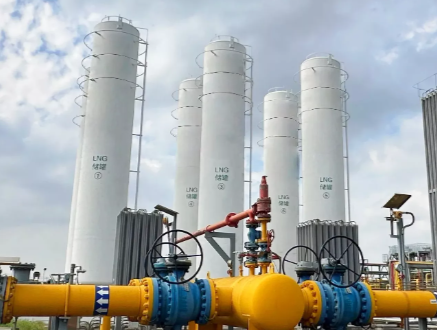
An LNG storage tank is a container designed specifically to store LNG at extremely low temperatures, typically around -162°C. These tanks must be constructed to handle the cryogenic nature of LNG while keeping it in its liquid form. The primary function of these tanks is to prevent LNG from vaporizing by maintaining its low temperature, thus ensuring that it remains in its liquid state until it is needed for distribution, regasification, or other uses.
The design of LNG storage tanks is complex, requiring advanced insulation technologies and safety features to manage the extreme temperatures and pressures involved. These tanks can be found in various sizes and configurations, depending on the scale of LNG operations and the intended use of the stored LNG.
LNG storage tanks are equipped with advanced insulation systems to minimize heat transfer from the outside environment. This includes multi-layered insulation materials such as perlite, polyurethane foam, and vacuum-sealed spaces between the tank’s inner and outer layers. This structure helps ensure that the LNG remains at the required temperature for extended periods, reducing the amount of LNG that evaporates due to external temperature influences.
Moreover, the design of LNG tanks includes a self-cooling mechanism, where a small amount of LNG naturally evaporates due to heat leaks. This process, known as "boil-off," is a normal part of LNG storage. Although the evaporated gas is often vented or used for other purposes, such as regasification or electricity generation, it also helps keep the LNG within the tank at a stable temperature, mitigating any risk of LNG warming up and vaporizing.
Storing LNG poses significant safety risks because of its cryogenic nature and flammability. The primary challenge in LNG storage is ensuring that the liquid does not vaporize and leak, which could lead to dangerous situations. If LNG were to vaporize and leak into the atmosphere, it could form an explosive mixture with air. Hence, LNG storage tanks are designed with robust safety mechanisms to minimize these risks.
LNG tanks must be able to manage fluctuations in temperature and pressure, both of which can occur during the storage process. This includes the use of advanced pressure relief systems, which automatically release excess pressure to maintain the structural integrity of the tank. Additionally, leak detection and fire protection systems are incorporated to detect any potential issues early and prevent accidents.
LNG storage tanks come in various designs, each suited to different needs and environments. The choice of tank type depends on factors such as the storage capacity, the specific application, safety concerns, and the geographical location where the tank is being built.
Single containment tanks are the simplest and most cost-effective option for LNG storage. They consist of an inner steel tank that holds the LNG and an outer layer that provides insulation. While these tanks are cheaper to construct than other types, they offer minimal protection in case of a leak or failure. As a result, they are typically used in smaller-scale applications or in areas where safety concerns can be more easily managed.
These tanks are usually found in regions with less stringent safety requirements or where the LNG is stored temporarily before further processing. Despite being more affordable, single containment tanks are not suitable for large-scale or high-risk LNG storage operations where safety and reliability are of utmost importance.
Double containment tanks provide additional safety compared to single containment tanks. These tanks feature an inner container designed to hold the LNG and an outer container that serves as a secondary barrier. In the event of a leak from the inner tank, the outer container can contain the LNG, reducing the environmental impact and increasing safety by preventing the LNG from escaping into the atmosphere.
The design of double containment tanks improves their overall safety, making them a preferred choice for medium-scale LNG storage facilities. The space between the two containers is filled with thermal insulation, which helps maintain the required low temperatures. This type of tank is widely used in LNG facilities that need to balance safety, cost, and storage capacity.
Full containment tanks are the most advanced and safest option for LNG storage. These tanks are commonly used in large-scale LNG terminals, where the storage of significant quantities of LNG is required. A full containment tank consists of both an inner and outer container, both capable of independently holding LNG. Additionally, the outer tank is typically made of reinforced concrete, providing extra structural integrity and protection against external impacts.
Full containment tanks are designed to handle the most severe conditions, including large volumes of LNG, extreme temperature fluctuations, and the potential for seismic activity. These tanks are equipped with sophisticated insulation systems to minimize heat transfer, and advanced thermal protection features to safeguard the joints and seams between the inner and outer tanks. Full containment tanks are essential in large LNG facilities, where high safety standards and large storage capacities are needed.
Underground LNG storage tanks are typically used in areas where land availability is limited or when a more discreet storage solution is needed. These tanks are often placed below ground, where the surrounding soil can provide additional insulation and help stabilize the temperature. Underground storage also offers enhanced protection from external factors, such as weather conditions or potential vandalism.
Membrane tanks are another type of specialized LNG storage. These tanks use a thin-walled membrane structure made of materials such as stainless steel or other alloys to contain the LNG. They are commonly used in LNG carriers due to their lightweight design and efficient use of space. These tanks are less bulky than traditional tanks, making them suitable for transport and installations in areas where space is at a premium.
To better understand the differences, here's a comparison of the various LNG storage tank types.
| Tank Type | Description | Common Applications | Safety Features |
|---|---|---|---|
| Single Containment Tank | Simple design with one steel layer and insulation. | Small-scale operations or temporary storage. | Minimal protection, limited safety. |
| Double Containment Tank | Inner tank for LNG with an outer secondary container for leak containment. | Medium-scale LNG storage. | Improved safety with secondary barrier. |
| Full Containment Tank | Inner and outer tanks with reinforced concrete for maximum security. | Large-scale LNG terminals. | High safety, advanced insulation, and seismic protection. |
| Underground Tank | Stored below ground with natural soil insulation. | Limited land availability, underground storage. | Additional protection from external factors. |
| Membrane Tank | Thin-walled membrane design, lightweight and efficient. | LNG carriers and specialized installations. | Lightweight, space-efficient design. |
LNG storage tanks are complex structures that must adhere to rigorous design and construction standards to ensure safety, efficiency, and durability. Several key design elements must be considered during the planning and construction of these tanks.
LNG tanks must be built to strict international standards, including those set by organizations such as ASME, ISO, and EN. These standards ensure that the tanks are capable of withstanding the extreme conditions associated with LNG storage, including cryogenic temperatures and high pressure. The design process also involves selecting the right materials and technologies to ensure that the tank remains structurally sound and safe throughout its lifespan.
Key considerations include pressure relief valves, temperature monitoring systems, and insulation materials. These components work together to keep LNG stable within the tank, prevent heat ingress, and maintain the correct pressure levels. The design must also account for the potential risks associated with LNG, such as the possibility of leaks or failures in the tank’s structural integrity.Below is a summary of key design standards for LNG storage tanks.
| Standard | Description | Key Focus Areas |
|---|---|---|
| ASME Section VIII | Pressure vessel design and fabrication guidelines. | Pressure containment, structural integrity. |
| ISO 21009-1 | Vacuum-insulated cryogenic equipment standards. | Insulation, cryogenic temperature control. |
| EN 13458 | Design for cryogenic vessels for liquefied gases. | Cryogenic conditions, safety regulations. |
| EN 13645 | Standard for LNG storage and distribution facilities. | Design, installation, and safety compliance. |
Insulation is a crucial component of LNG tank design, as it minimizes heat transfer from the surrounding environment. Common insulation materials include perlite, polyurethane foam, and vacuum-sealed layers. These materials work together to prevent LNG from warming up, ensuring that it remains in its liquid state.
In addition to insulation, LNG storage tanks are equipped with advanced safety features such as auto-refrigeration systems, which help manage temperature fluctuations, and pressure control systems, which regulate the pressure inside the tank. These systems are essential for preventing dangerous build-ups of pressure and ensuring the overall safety of the storage facility.
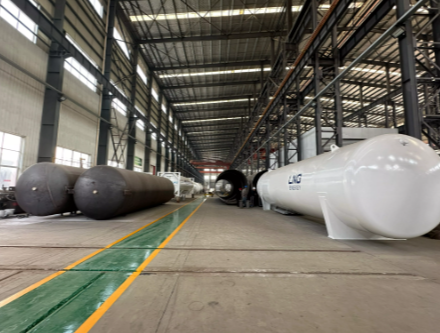
LNG storage tanks are used across various sectors in the energy industry. They play a critical role in LNG transportation, distribution, and utilization in power generation, industry, and transportation.
LNG storage tanks are essential in both import and export terminals, where LNG is received, stored, and then regasified for distribution or exported to international markets. In import terminals, LNG storage tanks hold LNG until it is ready to be converted back into gas for use in the energy grid. Similarly, in export terminals, these tanks store LNG until it is loaded onto ships for transportation.
These tanks ensure that LNG is stored safely and efficiently, meeting the demand for energy in various regions while minimizing the risks associated with transportation and regasification.
Industries and power plants use LNG as a stable fuel source, and LNG storage tanks play a vital role in providing this fuel. LNG is stored at cryogenic temperatures in these tanks and then used for various industrial applications, including chemical processing and electricity generation. The tanks ensure a constant and reliable supply of LNG for these critical applications, helping industries operate efficiently and power plants generate electricity without interruption.
LNG is increasingly being used as a cleaner alternative to traditional marine fuels. LNG refueling stations are being developed to provide fuel for ships, trucks, and buses. These refueling stations rely on LNG storage tanks to ensure that LNG is readily available for transportation, helping reduce emissions and improve air quality. The use of LNG as a marine fuel also offers a more cost-effective solution compared to conventional marine fuels.
LNG storage tanks must be designed with safety in mind to minimize risks associated with leaks, fires, and temperature fluctuations. The safety measures incorporated into these tanks are critical for protecting both the environment and personnel working at LNG facilities.
LNG storage tanks are equipped with various safety systems, such as leak detection, fire protection, and emergency shutdown mechanisms. These systems are designed to prevent accidents and provide rapid responses to any issues that arise. Regular maintenance and safety checks are also essential for ensuring that these systems function as intended.
LNG storage tanks must adhere to a wide range of international safety standards, including those set by API, NFPA, and ISO. These regulations ensure that LNG storage facilities are constructed and operated to the highest safety standards, minimizing the risk of incidents. Compliance with these regulations also helps protect the environment and local communities from potential hazards.
The demand for LNG continues to grow globally, driving advancements in LNG storage tank technology. Innovations in design, insulation, and safety are enhancing storage efficiency and reducing costs. These improvements are vital for LNG to remain a key energy source, contributing to a cleaner, more sustainable future.
Beijing SinoCleansky Technologies Corp provides high-quality LNG storage solutions. Their advanced products are designed for optimal safety and efficiency, offering reliable and cost-effective storage for LNG operations.
A: An LNG storage tank is a specialized container designed to store liquefied natural gas (LNG) at extremely low temperatures, typically around -162°C, to keep it in liquid form for transportation or storage.
A: LNG Storage Tanks use advanced insulation systems, including multi-layered materials and vacuum-sealed spaces, to minimize heat transfer and maintain the required cryogenic temperature for LNG storage.
A: LNG Storage Tanks are crucial for safely storing LNG, preventing it from vaporizing, and ensuring its availability for distribution, regasification, or industrial use at a later time.
A: The main types include single containment, double containment, full containment, underground, and membrane tanks. Each offers different levels of safety, capacity, and cost-effectiveness depending on the application.
A: The cost of an LNG Storage Tank varies based on its design, size, and safety features. Larger, more complex tanks with advanced safety systems typically cost more.


