Views: 0 Author: Site Editor Publish Time: 2026-02-11 Origin: Site
Inspection Type | Frequency |
|---|---|
Pre-service visual inspection | Before vehicle service |
Cursory visual inspection | Every pre- and post-trip |
Detailed visual inspection | Every 12 months (heavy-duty) |
Full system inspection | Every 36 months/36,000 miles (light-duty) |
UNE 26525 inspection | Every 48 months |
Inspections are mandatory after vehicle accidents, significant impacts, or exposure to high heat. Certified providers such as SGS deliver comprehensive compressed natural gas inspection services in line with UNE 26525 and other standards.
CNG containers require inspections at specific intervals: every 12 months for heavy-duty vehicles and every 36 months or 36,000 miles for light-duty vehicles.
Inspections are mandatory after accidents, significant impacts, or exposure to high heat to ensure safety and compliance.
Regular visual inspections help identify wear, corrosion, or damage, preventing unexpected failures and ensuring safe operation.
Documentation of inspections is crucial. Keep records of inspection reports, maintenance logs, and compliance certificates for at least five years.
Certified inspectors must perform inspections. Always verify that your inspector holds valid certification and has completed up-to-date training.
Following manufacturer guidelines and regulatory standards helps maintain the integrity and safety of CNG containers throughout their service life.
Timely inspections support operational efficiency by allowing for early detection of potential problems, reducing downtime, and extending the lifespan of CNG systems.
Consult certified providers like SGS for trusted inspection services that meet international and regulatory standards.
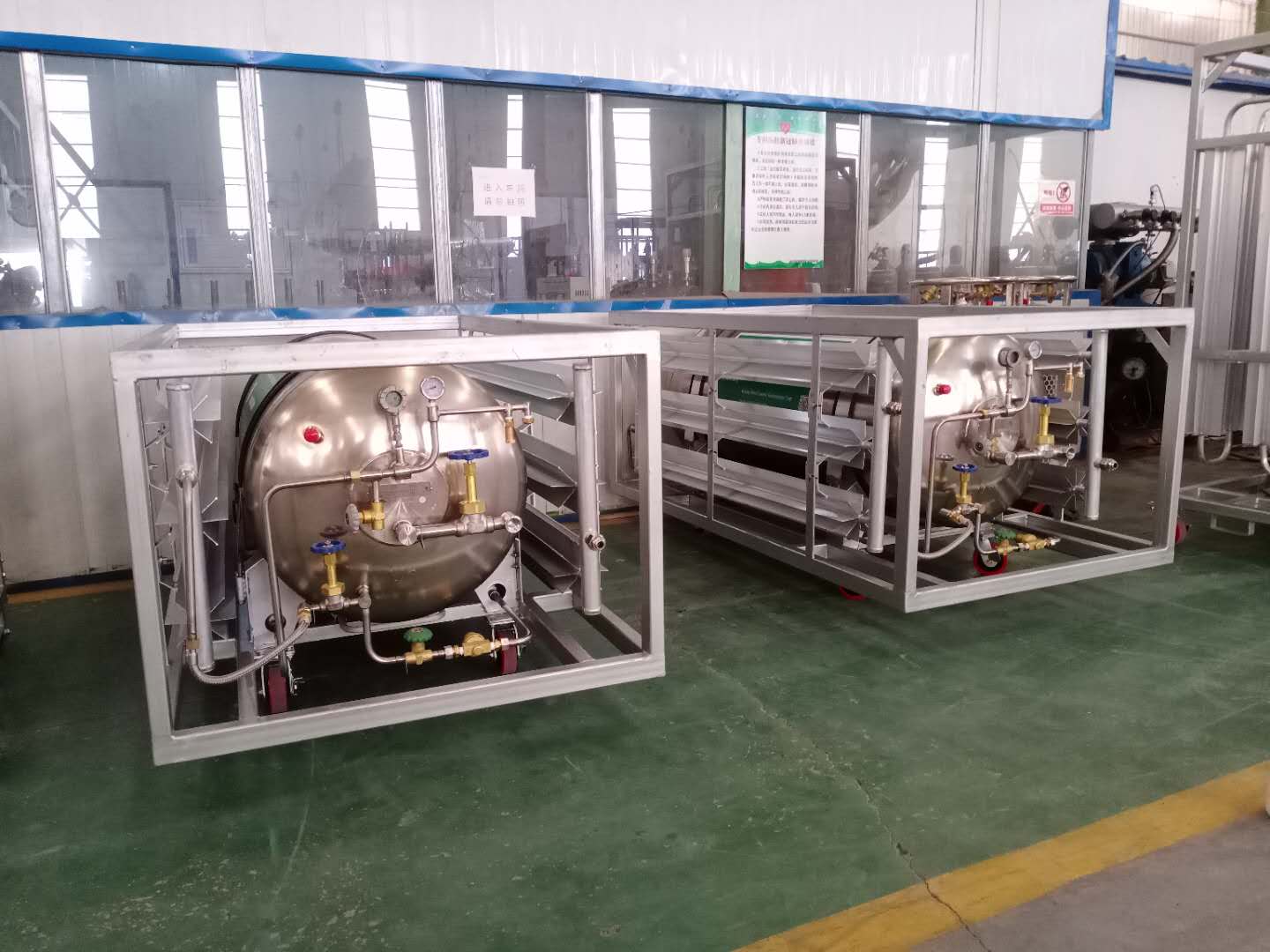
Heavy-duty CNG trucks require a frequent inspection interval to maintain safety and compliance. Regulatory agencies mandate that these vehicles undergo a detailed inspection every twelve months, regardless of mileage. This schedule ensures that tanks remain in optimal condition and reduces the risk of failures. Inspections focus on the integrity of CNG cylinders, connections, and mounting hardware. Technicians check for signs of wear, corrosion, or damage that could compromise the compressed natural gas system.
Note: Annual inspections are essential for heavy-duty vehicles due to their high usage and exposure to demanding conditions.
The following table summarizes the inspection interval for heavy-duty vehicles:
Vehicle Type | Inspection Interval |
|---|---|
Heavy-Duty | Once per year, regardless of mileage |
Light-duty vehicles, including passenger cars and small vans, follow a different inspection interval. Manufacturers and regulatory bodies recommend a full system inspection every thirty-six months or every thirty-six thousand miles, whichever comes first. This interval balances safety with operational efficiency. Inspectors examine the tank, fittings, and CNG containers for any signs of deterioration or damage. Proper documentation of each inspection is required to verify compliance with standards.
Vehicle Type | Inspection Interval |
|---|---|
Light-Duty | Every 3 years or 36,000 miles |
Tip: Always track mileage and calendar dates to avoid missing a scheduled inspection.
The UNE 26525 standard sets a clear inspection interval for CNG containers. According to this regulation, every tank must be inspected every forty-eight months from the date of vehicle registration or CNG system installation. This process includes a thorough visual assessment and documentation review. SGS provides comprehensive inspection services aligned with UNE 26525, ensuring that tanks meet all legal and safety requirements. Inspectors look for expiration dates, physical damage, and compliance with international standards.
Inspection Frequency | Conditions for Inspection |
|---|---|
Every 48 months | After a fire or accident |
Reminder: Inspections under UNE 26525 are critical for maintaining the integrity of CNG containers and ensuring continued compliance.
Regular inspection of CNG containers according to these intervals helps prevent failures, supports operational efficiency, and ensures adherence to compressed natural gas standards.
When a CNG container reaches the end of its service life or requires decommissioning, strict pre-removal checks are essential. These steps protect both personnel and the environment while ensuring compliance with regulatory standards.
Establish a Written Procedure
Every decommissioning process should begin with a detailed, written procedure. This document must outline each step for defueling and removal, tailored to the specific vehicle and CNG system.
Identify Defueling Ports
Technicians must determine whether the vehicle is equipped with dedicated defueling ports. The presence or absence of these ports will dictate the safest and most effective method for removing residual gas.
Distinguish Fuel Transfer from Defueling
It is important to recognize that transferring fuel between vehicles does not fully defuel a CNG container. Complete defueling requires following the manufacturer’s or regulatory procedure to ensure all gas is safely removed.
Purge the Cylinder
After defueling, the cylinder must be purged. This process uses water or an inert gas to remove any remaining natural gas, reducing the risk of fire or explosion during handling and disposal.
Verify Technician Training
Only technicians with specialized training in CNG safety, inspection, and decommissioning should perform these tasks. Proper training ensures that all steps are completed according to industry standards and legal requirements.
Note: Following these pre-removal checks helps prevent accidents and ensures that CNG containers are safely removed from service. Certified inspection providers, such as SGS, can assist with end-of-life assessments and documentation.
A collision can compromise the structural integrity of a tank. Any vehicle involved in an accident must undergo a thorough inspection. Regulatory guidelines require that the fuel system pressure drop does not exceed specified limits during a crash. The following table summarizes key requirements for post-accident inspection:
Requirement | Description |
|---|---|
S5.2 | Fuel system pressure drop must not exceed specified limits during a crash test. |
S5.3 | CNG vehicles must be labeled with service pressure and inspection instructions. |
S6 | Vehicles must meet barrier crash test requirements for fuel system integrity. |
Technicians check for visible damage, leaks, or abnormal pressure readings. If any issue is detected, the tank must be removed from service until a certified inspector clears it.
Exposure to fire or high temperatures can weaken the tank material. If a vehicle experiences a fire or is exposed to extreme heat, an immediate inspection is mandatory. Inspectors look for discoloration, warping, or other signs of heat damage. Any tank showing these signs must be replaced, regardless of the inspection interval or expiration date.
Note: Never reuse a tank that has been exposed to fire, even if it appears undamaged.
Significant impacts, such as hitting a curb or debris, can damage a compressed natural gas tank. A visual assessment should be performed as soon as possible. Inspectors look for cracks, dents, or corrosion on the surface. They also check for leaks, unusual smells, or warning lights on the dashboard. If any of these signs are present, the tank must be inspected before the vehicle returns to service.
Common triggers for mandatory inspection include:
Visible damage (cracks, dents, corrosion)
Leaks or unusual gas odors
Abnormal pressure readings
Activation of warning lights or alarms
Reduced system performance
Approaching the end of service life or heavy usage
Recent accidents or impacts
If tampering or unauthorized repairs are suspected, an immediate inspection is required. Any modification to the tank or its fittings can compromise safety. Inspectors verify that all components match manufacturer specifications and that no unauthorized changes have occurred. If damage or tampering is confirmed, the tank must be removed and replaced.
Alert: Always report suspected tampering or damage to a certified inspection provider. Quick action helps prevent accidents and ensures compliance with compressed natural gas regulations.
Regular monitoring and prompt response to these triggers help maintain the safety and reliability of cng containers. Following the correct inspection interval and responding to warning signs protect both the vehicle and its occupants.
A visual inspection forms the foundation of every cng fuel system inspection. Certified inspectors examine each tank for signs of wear, corrosion, or physical damage. They look for cracks, dents, or bulges on the tank surface. Inspectors also check for loose fittings, damaged mounting brackets, and evidence of leaks. Any discoloration or abnormal markings may indicate exposure to high temperatures or chemical reactions. Inspectors use specialized tools to measure wall thickness and confirm the structural integrity of the tank. If any defect is found, the tank must be removed from service immediately.
Tip: Regular visual inspections help prevent unexpected failures and maintain the safety of the compressed natural gas system.
Documentation review is a critical step in the inspection process. Inspectors verify that each tank has proper records, including installation dates, previous inspection reports, and maintenance logs. They check for compliance with UNE 26525, CEPE/UN Regulation 110R, and the Manual of Inspection Procedures for ITV Stations. Inspectors confirm that the tank matches manufacturer specifications and has not exceeded its service life. Accurate documentation ensures that the cng fuel system meets legal and regulatory requirements. Missing or incomplete records may result in failed inspections and operational delays.
Documentation Type | Purpose |
|---|---|
Installation Certificate | Confirms proper installation |
Inspection Report | Verifies previous inspections |
Maintenance Log | Tracks repairs and replacements |
Compliance Certificate | Ensures regulatory adherence |
Note: SGS conducts thorough documentation checks as part of UNE 26525 cng fuel system inspections.
After completing the visual and documentation review, inspectors proceed to the certification process. If the tank passes all checks, SGS issues an inspection certificate within 24 to 48 hours. This certificate confirms that the cng fuel system complies with UNE 26525 and other relevant standards. The certificate is essential for passing Vehicle Technical Inspection (ITV) and maintaining operational approval. If the tank fails inspection, the vehicle owner receives guidance on corrective actions and replacement procedures. Certification provides assurance that the cng fuel system is safe, reliable, and ready for continued service.
Certification from SGS supports compliance and helps vehicles meet international standards for compressed natural gas safety.
Regular cng fuel system inspections protect vehicle occupants and ensure tanks remain in optimal condition. Following the inspection process and maintaining proper documentation are key to passing regulatory checks and keeping cng vehicles on the road.
Federal regulation in the United States sets the foundation for how compressed natural gas containers are inspected. The Department of Transportation (DOT) and the Federal Motor Carrier Safety Administration (FMCSA) both require strict adherence to safety protocols. States may add their own requirements, but most follow the federal baseline. The following table summarizes the main federal standards that apply to CNG container inspection:
Standard | Inspection Requirement |
|---|---|
NGV2 | Visual inspection at least every 36 months or at the time of any re-installation for external damage. |
FMVSS 304 | Visual inspection after an accident or fire and at least every 36 months or 36,000 miles for damage. |
Some states may require more frequent checks or additional documentation. Vehicle owners should always verify local regulations to ensure compliance.
International standards play a significant role in the inspection of CNG containers, especially for vehicles operating outside the United States or those manufactured by global brands. The UNE 26525 standard mandates a comprehensive inspection every 48 months from the date of vehicle registration or CNG system installation. This standard ensures that containers meet strict safety and performance criteria. CEPE/UN Regulation 110R also outlines requirements for the design, installation, and periodic inspection of CNG fuel systems. These international regulations help harmonize safety practices across different countries and support the safe use of natural gas as a vehicle fuel.
Note: Certified providers like SGS offer inspection services that comply with both UNE 26525 and CEPE/UN Regulation 110R, helping vehicle owners meet all applicable standards.
Original equipment manufacturers (OEMs) provide their own guidelines for maintaining CNG containers. These recommendations often align with federal and international standards but may include additional steps to protect the integrity of the fuel system. Key points from major manufacturers include:
CNG tanks should be replaced by qualified service facilities with trained personnel.
Regular safety inspections are critical, with annual inspections for heavy vehicles and every three years for light-duty vehicles.
Tanks must be inspected after any incident that could cause damage.
Owners should keep records of inspections and be aware of expiration dates, which are indicated on tank labels.
CNG tanks have a useful life of 15 to 20 years and must be replaced after expiration.
Owners should note expiration dates during routine service intervals.
There is no national notification system for tank expiration; it is the owner's responsibility.
Following manufacturer guidelines ensures that vehicles remain safe and compliant throughout their service life. Owners who keep accurate records and schedule timely inspections help prevent failures and maintain the reliability of their CNG systems.
A certified cng fuel system inspector must complete specialized training before performing inspections on compressed natural gas containers. Training programs focus on current codes, safety standards, and hands-on inspection techniques. Common courses include:
CNG 201: CNG Fuel System Inspector Training, a 7-hour course that prepares technicians for the CNG Fuel System Inspector Certification Exam.
Hydrogen/CNG Container Inspection Course, a 16-hour program covering inspection, maintenance, and safety procedures for both hydrogen and CNG fuel systems.
Preparation for the CSA Fuel Systems Inspector Exam, which tests knowledge of hazard identification and regulatory compliance.
These courses ensure that each inspector understands the complexities of CNG systems and can identify potential hazards. Passing a certification exam demonstrates the inspector’s ability to apply industry standards and maintain safety.
Tip: Always verify that your inspector holds a valid certification and has completed up-to-date training.
Only authorized facilities can legally perform CNG container inspections. These service centers must meet strict accreditation standards. Accreditation confirms that the facility uses approved equipment, follows regulatory procedures, and employs trained personnel. Many manufacturers and regulatory agencies require that inspections take place at these accredited locations to ensure consistency and reliability.
Key features of an authorized facility include:
Use of calibrated inspection tools and safety equipment
Adherence to UNE 26525 and other relevant standards
Employment of certified inspectors with documented training
Secure record-keeping for all inspection activities
Choosing an accredited service center helps guarantee that inspections are thorough and compliant with all legal requirements.
CNG container owners play a critical role in the inspection process. Owners must schedule regular inspections to maintain safety and meet regulatory deadlines. Proper documentation is essential. Owners should keep detailed records of all inspection results, including dates, findings, and any maintenance performed.
Schedule inspections according to the required intervals for your vehicle type.
Maintain organized records of inspection certificates and reports.
Address any issues identified during inspections promptly to prevent further damage.
Note: Regular inspections help identify problems early, support timely repairs, and extend the lifespan of CNG containers. Accurate documentation is vital for compliance and can be crucial if an incident occurs.
By working with certified professionals and accredited facilities, owners help ensure the ongoing safety and reliability of their CNG systems.
Accurate inspection reports form the backbone of CNG container compliance. Each report must capture essential details to verify that the inspection meets regulatory and manufacturer standards. Inspectors and vehicle owners should ensure that every report includes the following:
Date of Inspection: The exact day the inspection took place.
Inspector Identification: Name, certification number, and signature of the certified inspector.
Vehicle Information: Make, model, VIN, and license plate number.
CNG Container Details: Serial number, manufacturer, installation date, and expiration date.
Inspection Type: Specify if the inspection is routine, post-accident, or end-of-life.
Findings: Detailed notes on the condition of the container, including any signs of wear, corrosion, or damage.
Test Results: Measurements, pressure readings, and results of any non-destructive tests.
Compliance Status: Clear statement indicating pass or fail, with reference to applicable standards (e.g., UNE 26525, CEPE/UN Regulation 110R).
Corrective Actions: Description of any repairs, replacements, or follow-up steps required.
Certification Issued: Confirmation that a compliance certificate was provided, if applicable.
Tip: Use a standardized inspection report template to ensure consistency and completeness across all records.
A well-documented inspection report not only demonstrates compliance but also protects owners and operators during regulatory reviews or incident investigations.
Proper retention of inspection records is critical for audit readiness and ongoing compliance. Regulatory agencies and manufacturers often specify minimum retention periods for CNG inspection documentation. The following table summarizes common requirements:
Document Type | Minimum Retention Period |
|---|---|
Inspection Reports | 5 years |
Maintenance Logs | 5 years |
Compliance Certificates | Life of the container |
Owners should store records in a secure, organized manner—either digitally or in physical files. Quick access to these documents supports smooth audits and helps resolve any compliance questions.
Note: During an audit, inspectors may request records for any container currently in service or recently decommissioned. Missing or incomplete documentation can result in penalties or operational delays.
To prepare for audits, review records regularly. Confirm that all required information is present and up to date. Schedule periodic internal audits to identify gaps before external reviews occur. Maintaining thorough records not only ensures compliance but also supports the safety and reliability of every CNG-powered vehicle.
Timely inspection of cng containers is essential for maintaining safety and meeting regulatory requirements. A safety inspection helps identify issues before they become serious hazards. Inspectors look for signs of wear, corrosion, or damage that could lead to leaks or system failures. Early detection of these problems prevents accidents and protects both drivers and passengers. Regulatory agencies require strict adherence to inspection interval guidelines. Missing an inspection can result in penalties or loss of certification. Vehicle owners must schedule inspections according to the recommended interval to ensure compliance and avoid legal consequences.
Regular safety inspection reduces the risk of unexpected failures and supports a safe operating environment for all cng vehicles.
A well-maintained cng fuel system provides peace of mind. Owners know their vehicles meet all safety standards and are less likely to experience breakdowns. Inspection certificates confirm that containers have passed all required checks. These certificates are necessary for passing technical reviews and maintaining operational approval.
Timely inspection also supports operational efficiency. When technicians follow the correct inspection interval, they can detect potential problems early. This proactive approach allows for prompt maintenance and repair, which keeps vehicles running smoothly. A reliable cng fuel system reduces downtime and ensures that fleets remain productive.
The operational benefits of adhering to recommended inspection intervals include:
Early detection of potential problems
Compliance with regulatory requirements
Extended lifespan of cng systems
Peace of mind for vehicle owners
Routine maintenance based on inspection results helps extend the useful life of cng containers. Proper care prevents costly repairs and minimizes disruptions to service. Owners who follow the recommended interval can avoid unexpected failures and maintain the integrity of their fuel systems.
Benefit | Description |
|---|---|
Early Problem Detection | Identifies issues before they cause failures |
Regulatory Compliance | Meets legal standards and avoids penalties |
System Longevity | Extends the lifespan of cng containers |
Owner Confidence | Provides assurance of vehicle safety |
Timely inspection and maintenance keep cng vehicles safe, efficient, and ready for daily operation.
A consistent inspection interval is the foundation of both safety and operational reliability. Vehicle owners who prioritize inspections protect their investment and ensure continued compliance with industry standards.
Routine inspection of cng containers is vital for safety and compliance. The table below summarizes key intervals and triggers:
Inspection Type | Frequency | Triggered By |
|---|---|---|
Visual Inspection | 12 months (heavy vehicles) | Accident, fire, expiration |
Visual Inspection | 36 months/36,000 miles (light vehicles) | Tank expiration date |
Certified inspector involvement ensures each cng storage tank meets standards.
Accurate records help track expiration and support operational efficiency.
Consult SGS for trusted inspection and certification services.
CNG containers require inspection every 12 months for heavy-duty vehicles, every 36 months or 36,000 miles for light-duty vehicles, and every 48 months under UNE 26525. Inspections must also occur after accidents or exposure to fire.
Only certified inspectors with specialized training can inspect CNG containers. Accredited service centers employ these professionals. SGS offers certified inspection services that meet international and regulatory standards.
If a container fails inspection, it must be removed from service immediately. The inspector will recommend repairs or replacement. Owners must follow corrective actions before returning the vehicle to operation.
Yes. Any accident, significant impact, or exposure to fire triggers an immediate inspection. Inspectors check for structural damage, leaks, or heat effects. Safety protocols require removal of damaged containers.
Owners must retain inspection reports, maintenance logs, and compliance certificates. These documents verify regulatory compliance and support audit readiness. Records should be kept for at least five years or the life of the container.
Contact a certified provider like SGS. You can schedule an appointment online or by phone. SGS offers a streamlined process and delivers inspection certificates within 24 to 48 hours after a successful inspection.
Standard | Interval |
|---|---|
UNE 26525 | 48 months |
FMVSS 304 | 36 months/36,000 miles |
NGV2 | 36 months |
These standards ensure safety and compliance for all CNG containers.
Timely inspection prevents failures, ensures legal compliance, and maintains operational efficiency. Early detection of issues protects vehicle occupants and extends the lifespan of CNG containers.
Author: SinoCleansky Technical Team
Expertise: 15+ years in cryogenic equipment design for LNG/CNG storage and transport.
Authority: Global supplier of ISO-certified LNG/CNG solutions for energy and industrial sectors.
Trust: Manufactured to international standards (ISO/ASME/DOT), ensuring safety and long-term reliability.