
Views: 0 Author: Site Editor Publish Time: 2025-12-08 Origin: Site
When dealing with large volumes of liquids and gases, choosing the right storage and transport solution is crucial. One of the most common options is the ISO tank, which is designed for safe and efficient transport. However, there’s another essential option: the storage tank.
In this article, we will explore the key differences between ISO tanks and storage tanks. You’ll gain insights into their designs, functionalities, and how to choose the right one for your specific needs.
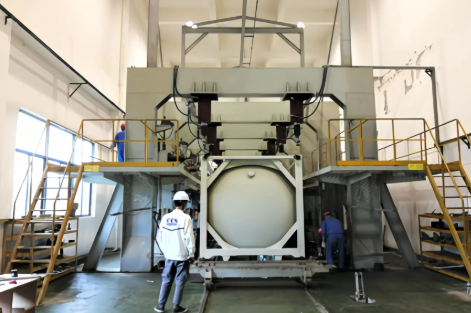
An ISO tank is a cylindrical container built to international standards set by the International Organization for Standardization (ISO). These tanks are designed for the safe transport of bulk liquids, gases, and hazardous materials across road, rail, and sea. Their design ensures compatibility with various transport modes, making them highly versatile and efficient for global shipping.
ISO tanks are subject to strict regulatory standards, which guarantee their safety, durability, and ability to carry different types of materials under varying environmental conditions. The standardization allows these tanks to be stacked, stored, and transferred seamlessly between different transport systems, making them an essential part of global logistics. Their widespread use and adherence to international regulations ensure that they meet the needs of industries that require highly reliable and flexible transport solutions.
ISO tanks are typically made of stainless steel, ensuring resistance to corrosion and extreme conditions. The tank’s structure includes insulation to maintain temperature control, which is crucial for certain products like cryogenic liquids or food-grade materials. A 20-foot frame is common, making them compatible with standard shipping containers. The design also includes pressure relief valves, safety valves, and other protective features to ensure the safety of the materials inside during transport.
The use of stainless steel and specialized insulation materials helps maintain the integrity of the cargo during transit. Whether transporting chemicals, food products, or gases, ISO tanks are engineered for maximum protection and reliability. Their modular design also allows for easy stacking and handling, further enhancing their efficiency in global supply chains.
ISO tanks are used in various industries, including chemicals, food and beverages, pharmaceuticals, and gases. They are ideal for transporting hazardous liquids like chemicals, oils, and solvents, as well as non-hazardous liquids such as milk or fruit juices. Due to their robust design and adherence to international standards, ISO tanks are trusted for both short-distance and long-distance shipments.
Industries such as petrochemicals, pharmaceuticals, and logistics rely on ISO tanks to safely transport goods in bulk. The ability to transport a wide range of liquids and gases without compromising safety makes these tanks an invaluable resource for companies with diverse needs.
A storage tank is a large, fixed container designed to hold liquids or gases over an extended period. Unlike ISO tanks, which are primarily used for transportation, storage tanks are designed for long-term storage in fixed locations such as warehouses, factories, or distribution centers. They are critical for industries requiring large-scale storage, including the oil and gas sector, chemical industries, and water treatment plants.
Storage tanks are designed with the specific purpose of holding materials in a stable and safe environment for extended periods. While they may not be as mobile as ISO tanks, they are ideal for storing bulk liquids and gases at a fixed location, ensuring easy access when needed.
Storage tanks come in various shapes and sizes depending on their intended use. They are often made from steel, fiberglass, or other durable materials, and some are insulated to prevent temperature fluctuations. Unlike ISO tanks, storage tanks are not built to be moved or transferred easily. Instead, they focus on maximizing storage capacity and providing a stable, long-term storage solution.
Storage tanks are typically larger and more robust, designed to withstand long-term use in harsh environments. Whether for storing water, chemicals, or petroleum products, these tanks are engineered to provide maximum capacity and ensure safety during prolonged storage periods.
Storage tanks are used across industries for both hazardous and non-hazardous materials. For instance, they are commonly employed in the oil and gas industry to store crude oil, natural gas, and petroleum products. In agriculture, large storage tanks are used to hold water or agricultural chemicals. Storage tanks also play a vital role in the food and beverage sector for storing oils, syrups, and other bulk ingredients.
The design and application of storage tanks vary greatly depending on the industry and the materials being stored. Their ability to hold vast quantities of liquids or gases for extended periods makes them essential in a variety of sectors that rely on large-scale storage solutions.
| Feature | ISO Tank | Storage Tank |
|---|---|---|
| Design | Portable, cylindrical container | Stationary, large capacity |
| Primary Use | Transport of liquids/gases | Long-term storage of liquids |
| Mobility | High mobility, intermodal | Fixed installation |
| Capacity | 10,000 to 40,000 liters | Hundreds of thousands of liters |
| Material | Stainless steel, insulated | Steel, fiberglass, insulated |
| Safety Features | Shock absorption, pressure relief valves | Double-walled, spill prevention |
| Cost | Higher initial cost, reusable | Lower initial cost, higher maintenance |
| Maintenance | Low, designed for frequent use | Higher, requires long-term upkeep |
ISO tanks are portable and designed for transportation, while storage tanks are stationary and built for long-term storage. ISO tanks are cylindrical and fit within standardized frames to allow for intermodal transport, whereas storage tanks are larger and designed to remain fixed in one location. The main difference lies in their mobility and purpose: ISO tanks prioritize flexibility in transportation, while storage tanks focus on capacity and stability for long-term use.
ISO tanks are engineered for ease of movement between different transport systems. This makes them ideal for industries that require global shipments. Storage tanks, however, are designed for industries that need to store large amounts of materials without the need for constant transport.
ISO tanks generally have smaller capacities, typically ranging from 10,000 to 40,000 liters, as they are designed for transport rather than storage. Storage tanks, on the other hand, can hold much larger volumes, often hundreds of thousands of liters, and are suited for industries that require bulk storage of liquids or gases over long periods.
The choice between an ISO tank and a storage tank often comes down to the volume of material that needs to be transported or stored. For smaller volumes or temporary transport needs, ISO tanks are the preferred option, whereas storage tanks are ideal for industries that need to hold large quantities for extended periods.
ISO tanks tend to have a higher upfront cost due to their design for international transport and safety features. However, their ability to be reused and their relatively low maintenance requirements make them cost-effective in the long term. Storage tanks may have a lower initial investment but often require higher ongoing maintenance due to their fixed nature and larger size, especially if they need to be maintained for long periods.
Over time, the maintenance and operational costs associated with storage tanks can add up, especially if the materials inside require special handling or temperature control. ISO tanks, while more expensive initially, offer better long-term value for businesses that require frequent transport of goods.
Both ISO tanks and storage tanks are equipped with safety features such as pressure relief valves and temperature control systems. However, ISO tanks are built with additional safety measures for transport, including shock absorption and anti-leak features. Storage tanks, while safe for long-term storage, may not have the same level of protection against external conditions, such as during transportation.
The added safety features in ISO tanks make them particularly suitable for transporting hazardous materials. Storage tanks are primarily designed for stable, long-term storage and may not be equipped to handle the stresses of transport.
ISO tanks are designed for intermodal transportation, allowing them to be easily transferred between ships, trucks, and trains. This flexibility significantly reduces handling time and transportation costs. They are particularly useful for industries that need to ship products over long distances or internationally.
The ability to seamlessly switch between various transportation methods makes ISO tanks a highly efficient solution for global logistics. Businesses can reduce costs and improve operational efficiency by utilizing ISO tanks for both short- and long-distance shipping.
ISO tanks are engineered to be robust and resistant to harsh environments, making them ideal for transporting hazardous materials. They are equipped with safety valves, leak detection systems, and insulation to protect the contents and ensure safe handling during transit.
Their durability and safety features make ISO tanks a reliable choice for industries that deal with volatile materials. The robust design ensures that even under extreme conditions, the contents of the tank remain secure.
One of the key benefits of ISO tanks is their reusability. Since they are designed for long-term use, businesses can reduce shipping costs by using the same tank multiple times. Additionally, ISO tanks require less maintenance than other transport options, leading to further cost savings over time.
By investing in ISO tanks, businesses can significantly lower their long-term operational costs. The ability to reuse the same tank for multiple shipments makes it a cost-effective solution for frequent transport needs.
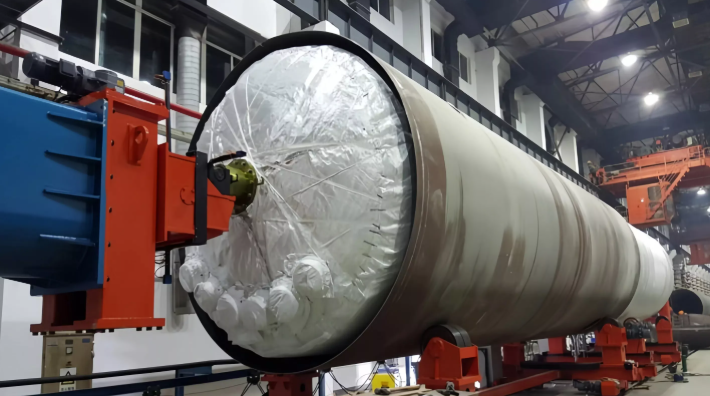
Storage tanks are ideal for businesses that require large quantities of liquid or gas storage. With their high capacity and stationary nature, storage tanks can hold significant volumes of materials, making them suitable for industries like oil, chemicals, and agriculture.
Storage tanks offer unmatched capacity, which is vital for industries that require bulk storage solutions. Their design ensures that large quantities of liquids can be stored safely and efficiently over extended periods.
Storage tanks are built with safety in mind, often incorporating features like double-walled construction to prevent leaks and spills. Additionally, many modern storage tanks are designed to minimize environmental impact, such as using materials that are resistant to corrosion and integrating systems that control emissions.
Environmental safety is a key consideration when choosing a storage tank. Many newer designs incorporate eco-friendly materials and advanced safety features, ensuring that businesses comply with environmental regulations and minimize their carbon footprint.
Unlike ISO tanks, which are mobile, storage tanks are best suited for businesses that need a permanent, fixed solution for storing liquids or gases. They are ideal for facilities with long-term storage requirements, such as manufacturing plants or large-scale distribution centers.
Storage tanks are designed for stability and long-term use, making them the ideal choice for facilities that require large-scale, fixed storage solutions.
Here is a quick comparison of the key advantages of ISO tanks and storage tanks:
| Advantage | ISO Tank | Storage Tank |
|---|---|---|
| Flexibility | High flexibility for transportation | Stable for long-term storage |
| Cost Efficiency | Low long-term operational costs | Lower initial cost, but higher maintenance |
| Safety Features | Built-in safety valves, leak detection systems | Double-walled construction, leak prevention |
| Reusability | Can be reused for multiple shipments | Designed for one-time, long-term storage |
| Capacity | Smaller, suitable for transport | Larger, suited for bulk storage |
Choosing between an ISO tank and a storage tank depends on your specific requirements. If you need a solution for transporting liquids or gases over long distances or internationally, an ISO tank is the best choice. On the other hand, if your business needs to store large volumes of liquids or gases for an extended period in a fixed location, a storage tank is the more appropriate option.
By evaluating your transportation or storage needs, you can select the tank type that best suits your business requirements, ensuring maximum efficiency and cost-effectiveness.
Consider factors such as the nature of the materials you need to transport or store, the volume required, and your budget for initial investment and maintenance. For businesses with transportation needs, ISO tanks offer unparalleled flexibility and cost-efficiency. For those requiring large-scale, long-term storage, storage tanks provide a stable and cost-effective solution.
Tip: If your business involves international transport or frequently requires liquid or gas transport, investing in ISO tanks can provide significant long-term cost savings and operational flexibility.
Both ISO tanks and storage tanks are essential for transporting and storing liquids and gases. ISO tanks are perfect for efficient, flexible transport, while storage tanks are ideal for long-term, large-scale storage. Choosing the right option depends on your specific needs. Whether you choose an ISO tank or a storage tank, it’s important to align your choice with your business goals for the most effective solution.
Beijing SinoCleansky Technologies Corp provides high-quality ISO tanks that cater to the transport of bulk liquids and gases, offering exceptional durability and efficiency. Their products are designed to meet international standards, providing businesses with cost-effective solutions for both transport and storage needs.
A: The primary difference is mobility. An ISO tank is designed for transportation across various modes of transport, while a storage tank is stationary, used for long-term storage at fixed locations.
A: ISO tanks are primarily used for transporting liquids and gases, especially hazardous materials, efficiently and safely across different transport systems such as ships, trucks, and trains.
A: ISO tanks are designed for intermodal transport, allowing them to be easily transferred between ships, trucks, and trains, reducing handling time and costs compared to static storage tanks.
A: ISO tanks typically hold between 10,000 to 40,000 liters, while storage tanks can store much larger quantities, often holding hundreds of thousands of liters for long-term storage.
A: Yes, ISO tanks are designed for long-term use and can be reused for multiple shipments, making them cost-effective over time for businesses that frequently transport liquids or gases.


