
Views: 0 Author: Site Editor Publish Time: 2025-12-09 Origin: Site
As the world moves towards cleaner energy sources, LNG is becoming a vital alternative to coal and oil. It plays a critical role in reducing carbon emissions and boosting energy security. However, producing LNG involves complex processes that demand strict safety protocols, quality control, and regulatory compliance.
In this article, we will explore the importance of ISO standards in LNG production. You will learn how ISO certification helps enhance efficiency, safety, and sustainability across the LNG supply chain.
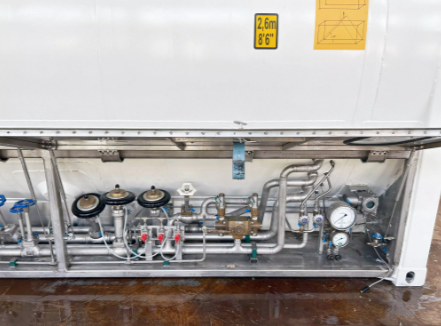
ISO standards are integral to ensuring LNG production processes are consistent, efficient, and reliable. These internationally recognized guidelines provide a structured approach to managing and controlling the various phases of LNG production—from gas processing and liquefaction to storage and transportation. By standardizing these processes, ISO ensures that LNG producers can achieve the highest levels of safety and performance, minimizing operational risks and optimizing resource use. In addition, ISO standards help identify potential risks early, allowing for preventive measures that enhance overall safety and efficiency in LNG operations.
ISO certification also plays a pivotal role in reducing operational costs by eliminating inefficiencies. The adoption of ISO standards ensures that LNG production facilities operate at peak performance while minimizing downtime and energy consumption, which are critical factors in an industry that is both energy-intensive and highly competitive.
ISO 9001, one of the most widely adopted quality management standards globally, is fundamental to LNG production. It establishes a quality management system (QMS) that ensures every aspect of the LNG production process—from raw material sourcing to final delivery—meets customer expectations consistently. ISO 9001 not only helps LNG companies improve product quality but also enhances operational consistency by identifying and addressing areas of improvement across the supply chain.
Implementing ISO 9001 also promotes continuous improvement, driving LNG producers to innovate and refine their processes over time. This focus on constant enhancement helps LNG producers build long-term customer relationships and achieve sustained growth in a competitive market. By maintaining high product standards, ISO 9001 ensures that LNG producers can meet the rigorous quality expectations of international customers and stakeholders, further bolstering their reputation and credibility in the industry.
In the LNG industry, safety is paramount. ISO 45001 and ISO 14001 standards are designed to address critical safety and environmental issues. ISO 45001 focuses on occupational health and safety (OHS) management, helping LNG producers identify potential hazards, manage risks, and develop a safety-conscious workplace culture. This standard is crucial in preventing workplace accidents and ensuring that employees are protected from the dangers associated with LNG production, such as cryogenic burns, high-pressure exposure, and confined space risks.
ISO 14001, the environmental management standard, ensures that LNG producers minimize their environmental impact by setting clear goals for waste management, emission control, and compliance with local and international environmental regulations. Adopting ISO 14001 not only helps LNG producers comply with environmental laws but also demonstrates a commitment to sustainable practices, which is increasingly important in today’s environmentally-conscious market. These two standards combined create a comprehensive risk management system that safeguards both human life and the environment.
Tip: Implementing ISO 45001 early in the production process ensures safer operations, reducing workplace accidents and improving employee morale, which in turn boosts productivity.
| ISO Standard | Focus Area | Relevance to LNG Production |
|---|---|---|
| ISO 9001:2015 | Quality Management System (QMS) | Ensures consistency in gas processing, liquefaction, and delivery performance. |
| ISO 14001:2015 | Environmental Management | Addresses emission control, waste handling, and compliance with environmental laws. |
| ISO 45001:2018 | Occupational Health & Safety | Prevents workplace hazards such as cryogenic burns, high-pressure exposure. |
| ISO 50001:2018 | Energy Management | Optimizes energy efficiency across compressors, turbines, and liquefaction units. |
| ISO 29001:2020 | Sector-Specific QMS for Oil & Gas | Adds reliability, risk, and supplier-quality controls tailored for LNG operations. |
ISO 9001 is a cornerstone of LNG production, ensuring that companies can consistently meet the expectations of customers and stakeholders. By implementing a QMS based on ISO 9001, LNG producers can streamline their operations, improve production accuracy, and minimize the risk of defects or variations in their products. The standard requires comprehensive documentation of processes, clear definitions of roles and responsibilities, and regular audits to ensure continuous improvement.
ISO 9001 certification fosters accountability throughout the production cycle, ensuring that the entire supply chain is aligned with quality objectives. As a result, LNG producers can improve customer satisfaction, enhance their operational efficiency, and demonstrate their commitment to quality assurance in an increasingly competitive market.
Environmental sustainability is an increasingly critical aspect of LNG production, especially as governments and organizations around the world introduce stricter environmental regulations. ISO 14001 helps LNG producers manage their environmental responsibilities by providing a structured approach to identifying and mitigating environmental risks. This standard helps companies monitor their environmental impact, improve waste management practices, and ensure compliance with both local and global environmental laws.
By adopting ISO 14001, LNG producers can also reduce their carbon footprint, use resources more efficiently, and improve their overall environmental performance. This commitment to environmental stewardship enhances the reputation of LNG companies, particularly in markets where sustainability is a key purchasing factor.
ISO 45001 is crucial for LNG production, where the potential for workplace hazards is high due to the extreme conditions involved in liquefaction and transportation. This standard helps LNG companies create a systematic approach to managing occupational health and safety risks. ISO 45001 focuses on hazard identification, risk assessment, and the implementation of safety measures to protect employees and contractors from harm.
ISO 45001 certification not only reduces the likelihood of workplace injuries but also fosters a culture of safety. It ensures that companies comply with local health and safety regulations, creating a safer environment for everyone involved in the production process. As workplace safety becomes a more significant concern for stakeholders and regulators, ISO 45001 certification positions LNG producers as responsible and safe operators.
Given the energy-intensive nature of LNG production, managing energy consumption is essential for both cost control and environmental responsibility. ISO 50001 helps LNG producers optimize energy use by establishing energy management systems (EnMS) that monitor and reduce energy consumption. By implementing ISO 50001, LNG companies can identify areas of inefficiency, reduce energy waste, and minimize operational costs, all while improving their environmental performance.
ISO 50001 also helps LNG producers meet the growing demand for more sustainable energy practices in the industry. As the global push for decarbonization intensifies, adopting ISO 50001 demonstrates an LNG company’s commitment to energy efficiency, helping them meet both regulatory requirements and customer expectations for sustainability.
ISO 20519 is a crucial standard for LNG bunkering, which refers to the process of transferring LNG fuel to ships. This standard outlines the necessary safety measures, operational procedures, and technical specifications for LNG fueling operations. It covers areas such as LNG fuel delivery systems, the training and qualification of personnel, and the establishment of emergency procedures to ensure safe fueling operations.
Adopting ISO 20519 ensures that LNG suppliers and operators comply with international safety and operational standards, providing a reliable and standardized approach to LNG bunkering. This certification not only enhances safety but also helps improve the overall efficiency of bunkering operations, ensuring a seamless and sustainable fueling process for LNG-powered ships.
As LNG-powered vessels become more prevalent, the need for global standardization in bunkering operations is increasing. ISO 20519 provides a unified framework that ensures LNG bunkering operations are standardized across different regions and countries. By establishing a consistent set of guidelines, the standard ensures that LNG fueling operations are conducted safely and efficiently, regardless of the location.
This global standardization reduces the risks associated with LNG bunkering, including operational inefficiencies, safety hazards, and regulatory compliance issues. It also facilitates the smooth expansion of the LNG-powered shipping industry by enabling cross-border LNG fueling operations that meet the same high standards.
ISO certifications play a critical role in improving transparency within the LNG supply chain. By adopting ISO standards, LNG producers can demonstrate their commitment to high-quality production, safety, and environmental responsibility. These certifications serve as proof of a company’s adherence to global best practices, fostering trust with customers, investors, regulators, and other stakeholders.
ISO-certified companies are more likely to attract business from international clients who prioritize quality assurance and sustainability. Moreover, ISO certification enhances transparency, making it easier for stakeholders to evaluate the company’s performance and compliance with industry regulations.
ISO certification is not just a regulatory requirement; it also provides LNG producers with a competitive edge in global markets. By adhering to internationally recognized standards, certified companies enhance their credibility and marketability. ISO certification allows LNG producers to participate in high-value international tenders, enter joint ventures with reputable partners, and gain access to lucrative government contracts that require compliance with global standards.
In an increasingly competitive market, ISO certification positions LNG producers as reliable, high-quality suppliers capable of meeting the demands of international markets. This certification acts as a key differentiator, helping companies stand out in the crowded LNG market.
Tip: ISO certification can help LNG producers stand out in competitive markets by showcasing their commitment to operational excellence, regulatory compliance, and sustainability.
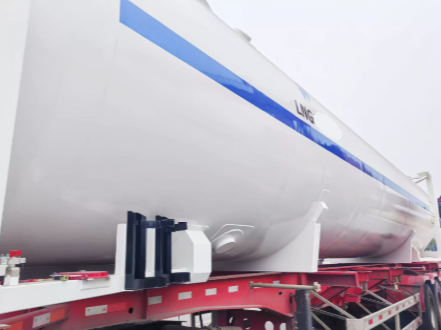
While ISO certification provides numerous benefits, obtaining and maintaining certification can be challenging for LNG producers. The certification process requires substantial time and effort to implement the necessary systems, train personnel, and document processes. Additionally, maintaining ISO compliance requires regular audits, continuous monitoring, and ongoing improvements, which can be resource-intensive.
Small and medium-sized LNG producers, in particular, may face financial and operational barriers when pursuing certification. However, the long-term advantages of ISO certification often outweigh the initial costs, providing significant returns in terms of operational efficiency, market access, and stakeholder trust.
Despite the challenges, ISO certification offers substantial long-term benefits. By standardizing operations and improving safety, quality, and efficiency, LNG producers can enhance their reputation, reduce operational costs, and achieve sustainable growth. ISO certification opens up new business opportunities and markets, particularly in regions where compliance with international standards is a key requirement.
In the long run, ISO-certified LNG producers are better positioned to navigate regulatory changes, adapt to industry trends, and build strong relationships with customers and stakeholders.
| Benefit | Description |
|---|---|
| Improved Operational Efficiency | ISO standards help reduce inefficiencies, optimize resource use, and minimize downtime. |
| Enhanced Safety | Certification ensures strict adherence to safety standards, reducing workplace accidents. |
| Environmental Compliance | Helps LNG producers meet environmental regulations, minimizing carbon footprint. |
| Increased Market Access | ISO certification opens doors to international tenders, joint ventures, and contracts. |
| Stakeholder Trust | Enhances transparency and builds trust with investors, regulators, and customers. |
As the LNG industry continues to grow, the need for ISO standards to evolve alongside emerging technologies and market trends becomes increasingly important. The rise of digitalization, automation, and renewable energy integration into LNG production processes requires ISO standards to adapt to these changes. ISO will continue to update its standards to ensure that LNG production remains safe, efficient, and environmentally responsible.
The industry is also seeing a shift towards sustainable LNG production and transportation methods. As these trends evolve, ISO will play a crucial role in helping LNG producers stay ahead of regulatory changes and technological advancements.
The global LNG market is increasingly moving towards standardization. As LNG production and consumption become more widespread across various regions, standardized processes are essential for ensuring the safety, efficiency, and sustainability of LNG operations worldwide. ISO standards are at the forefront of this movement, helping companies ensure that their LNG operations align with global best practices and regulatory requirements.
Tip: LNG companies should stay informed about updates to ISO standards and adapt their processes accordingly to maintain competitiveness and compliance in an evolving market.
ISO certification is essential for LNG producers aiming to improve safety, product quality, and environmental compliance. By following ISO standards, companies can enhance operational efficiency, transparency, and reduce risks. As the LNG industry grows, these standards will continue to be a vital foundation for sustainable and efficient production and distribution.
LNG producers should view ISO certification as a strategic investment, offering a competitive edge in the global market. Beijing SinoCleansky Technologies Corp offers advanced LNG solutions that ensure operational excellence while meeting international standards, providing valuable support to LNG producers worldwide. Our company is fully ISO-certified, demonstrating our commitment to delivering high-quality and compliant LNG solutions to our customers.
A: The ISO standard for LNG refers to a set of international regulations that ensure the safe, consistent, and environmentally responsible production, storage, and transport of Liquefied Natural Gas. These standards, like ISO 9001 and ISO 14001, help LNG producers optimize operations and reduce risks.
A: ISO certification helps LNG producers ensure safety, enhance product quality, and comply with environmental regulations. It provides a structured approach to managing risks, improving transparency, and boosting global competitiveness in the LNG market.
A: ISO standards standardize LNG production from gas processing to transport, ensuring consistent quality, safety, and performance. They help optimize energy use, minimize waste, and identify potential risks, enhancing overall operational efficiency.
A: The key ISO standards for LNG include ISO 9001 for quality management, ISO 14001 for environmental management, ISO 45001 for occupational safety, and ISO 50001 for energy management, all essential for safe and efficient LNG production.
A: ISO 45001 helps LNG producers identify hazards, implement safety measures, and foster a safety-conscious culture. It reduces workplace incidents, such as cryogenic burns or high-pressure exposure, ensuring a safer work environment for employees.
A: ISO certification helps LNG producers meet international standards, making them more competitive in global tenders, joint ventures, and contracts. It demonstrates compliance with safety, quality, and environmental regulations, building trust with customers and regulators.


