Views: 0 Author: Site Editor Publish Time: 2026-08-11 Origin: Site
Off-pipeline industrial operations, remote power generation, and marine bunkering facilities require reliable natural gas supply. Overbuilding or underbuilding liquefied natural gas infrastructure directly impacts profitability and operational continuity. Facility managers and energy engineers face a critical choice between deploying a compact microbulk system or investing in a higher-capacity modular regasification terminal. Choosing the wrong architecture leads to either stranded capital from excess capacity or operational bottlenecks caused by insufficient flow rates and high logistical dependencies.
In an evolving energy market characterized by supply chain volatility, securing the right regasification capacity acts as a strategic hedge. This ensures continuous operations regardless of broader pipeline constraints. To make an evidence-based decision, stakeholders must evaluate both systems through the lenses of throughput requirements, site footprint, capital expenditure, and long-term scalability. This guide breaks down the technical and financial realities of an LNG microbulk vs regasification station.
Capacity Dictates Architecture: Microbulk stations are engineered for lower, consistent flow rates and smaller storage needs, whereas modular regasification stations are built for high-throughput, base-load, heavy peaking demands, and full value-chain integration.
Deployment Speed vs. Long-Term Value: Microbulk systems offer rapid, plug-and-play installation with minimal civil works. Modular regasification requires more site preparation but delivers lower operational costs at scale and minimizes the complex civil engineering associated with traditional stick-built terminals.
Logistical Dependencies: Microbulk relies heavily on high-frequency "virtual pipeline" deliveries. Modular stations utilize larger bulk storage, reducing delivery frequency and insulating operations from supply chain disruptions.
Regulatory Footprint: Both require strict adherence to safety standards (e.g., NFPA 59A), but modular regasification stations generally trigger more complex permitting due to larger storage volumes and vaporization capacities.
Table of Contents
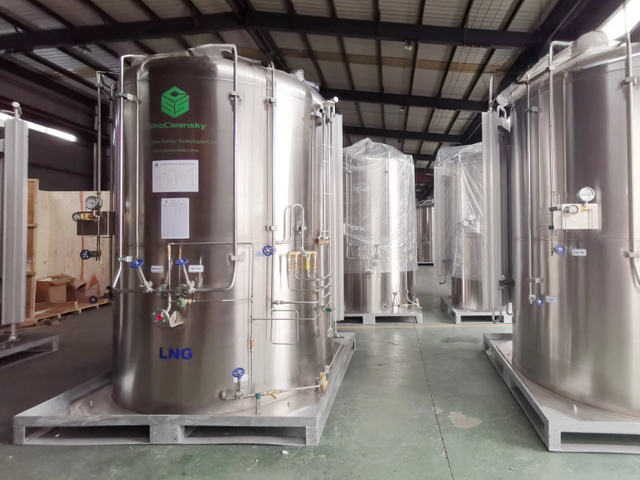
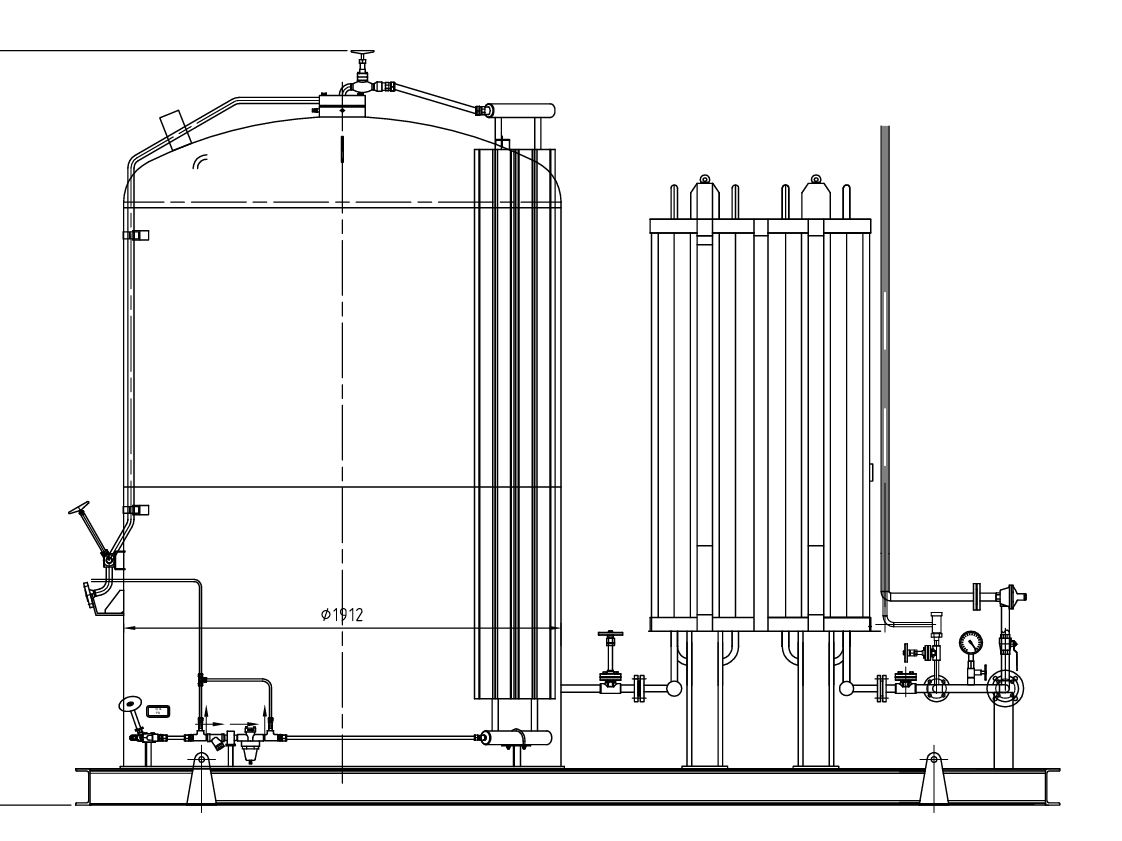
A microbulk station operates as a localized, small-scale storage and vaporization unit. You will typically see these systems deployed as standardized, skid-mounted packages. Manufacturers combine a vacuum-insulated storage vessel with an ambient air vaporizer on a single steel frame. The storage capacity generally stays under 10,000 gallons. This compact footprint allows plant engineers to replace cumbersome high-pressure cylinder manifolds with a single liquid storage solution.
The primary function of a microbulk system revolves around localized, steady-state applications. We frequently install these units for commercial vehicle fueling stations, small off-grid manufacturing plants, and localized heating networks. They deliver a moderate, predictable flow of natural gas. The equipment runs efficiently under consistent demand profiles without needing complex mechanical intervention or active heating elements.
However, the supply model carries inherent risks. Microbulk systems rely entirely on high-frequency logistics. Your facility depends on constant truck deliveries via virtual pipelines to keep the gas flowing. Because the onboard storage capacity remains low, any disruption in the delivery schedule threatens your operation. A winter storm or a regional driver shortage can drain your reserve in days. Operators must monitor tank telemetry constantly and coordinate tightly with regional gas distributors.
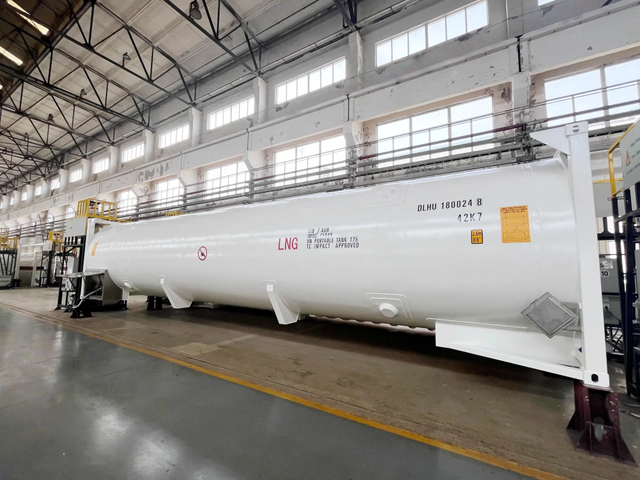
A modular regasification station serves as a decentralized, high-capacity energy infrastructure solution. These systems utilize pre-fabricated, skid-mounted vaporization units. Depending on your local climate and peak throughput requirements, you will select ambient air, water-bath, or forced draft vaporizers. Engineers pair these heavy-duty vaporization skids with massive bulk storage tanks. You will typically see horizontal bullet tanks or small flat-bottom tanks designed to hold massive volumes of cryogenic liquid.
We engineer modular stations specifically for heavy industrial processes, municipal grid injection, and marine bunkering. The architecture easily supports continuous base-load operations while handling extreme peaking demands. Compact modular designs also dominate the offshore sector. Floating Storage Regasification Units (FSRUs) utilize these exact modular principles to maximize gas output in space-constrained marine environments.
The primary construction advantage lies in the modular fabrication process. Building the skids off-site in a controlled shop environment drastically reduces stick-built complexity in the field. It cuts down the extensive civil engineering costs associated with traditional large-scale terminals. You can deploy high-capacity infrastructure faster, maintain strict quality control on the welds, and handle significantly larger gas volumes than any microbulk alternative.
Evaluating flow rate capabilities requires a hard look at standard cubic feet per hour (SCFH) output. Microbulk vaporizers rely on natural convection to warm the cryogenic liquid. They handle steady, moderate flow rates well. But their physical size limits the available heat transfer surface area. In contrast, multi-skid modular regasification units process exponentially higher SCFH volumes. They utilize forced draft fans or heated water baths to force the phase change from liquid to gas rapidly.
Understanding your base load versus peaking demand dictates the equipment selection. Microbulk systems fail under sudden, massive demand spikes. When a facility pulls gas too fast, the ambient vaporizer cannot absorb enough environmental heat. Ice bridges form across the aluminum fins. This ice acts as an insulator, further degrading heat transfer. Eventually, you risk sending cryogenic liquid down your carbon steel gas lines, which causes catastrophic pipe failure. Modular stations solve this through redundancy and active heating. You can program the control system to activate standby vaporization skids instantly to meet surge requirements without freezing the primary equipment.
Space constraints dictate infrastructure choices at almost every industrial site. A vertical microbulk tank requires a minimal physical footprint. You can often tuck these units into existing utility corridors, loading docks, or small perimeter lots. Modular regasification skids demand serious acreage. Your site plan must accommodate bulk storage tanks, multiple vaporization skids, pressure reduction stations, and dedicated truck offloading infrastructure with wide turning radiuses.
Site preparation differences heavily influence your project timeline and budget. Microbulk installations generally require simple civil work. You pour a reinforced concrete pad, let it cure, and drop the skid in place. The lightweight nature of the equipment simplifies foundation engineering. Modular stations require heavy civil construction. Contractors must excavate and pour deep, engineered foundations to support the massive operating weight of bulk tanks. Safety regulations mandate the construction of concrete containment dikes to manage potential cryogenic spills. You also need advanced piping trenches, underground electrical duct banks, and heavy-duty access roads to support continuous 80,000-pound tanker truck traffic.
Initial Capital Expenditure (CAPEX) heavily favors the microbulk approach. Deploying a microbulk station requires a fraction of the upfront investment. The standardized nature of the skids eliminates the need for specialized, site-specific engineering. You purchase a pre-engineered product, pour a standard pad, and connect the gas lines. This low barrier to entry makes microbulk highly attractive for mid-sized operations operating under strict capital constraints.
Operating Expenditure (OPEX) presents a completely different financial reality. Microbulk incurs high ongoing costs due to the logistics of frequent deliveries. Every truck roll carries transportation fees, driver labor costs, and fuel surcharges. You pay a premium for the convenience of small-batch deliveries. Modular regasification drastically lowers your per-MMBtu costs. You leverage bulk purchasing power to secure better commodity pricing directly from liquefaction plants. Larger storage capacities mean fewer deliveries, which slashes your transportation overhead.
Strategic return on investment favors the modular approach for high-consumption users. Investing in modular regasification secures long-term capacity. The larger storage buffer acts as a physical hedge against spot-market delivery premiums. During periods of high winter demand or logistical strain, facilities with bulk storage maintain operations without paying exorbitant emergency delivery fees.
Maintaining cryogenic infrastructure requires specialized training and strict adherence to preventative maintenance schedules. Microbulk systems demand relatively low maintenance. The primary wear components include the pressure building regulators, safety relief valves, and the telemetry sensors. Because the ambient vaporizers have no moving parts, they require little more than routine visual inspections for ice bridging and fin damage. Technicians typically swap out the relief valves every three to five years depending on local jurisdictional requirements.
Modular regasification stations introduce a higher degree of mechanical complexity. Forced draft vaporizers rely on industrial fan motors, bearings, and electrical contactors that require quarterly lubrication and testing. Water-bath vaporizers utilize glycol mixtures, burner management systems, and circulation pumps. Your maintenance team must monitor fluid chemistry, inspect burner tubes for scaling, and test the emergency shutdown systems regularly. While modular systems require more man-hours to maintain, their built-in redundancy allows operators to isolate and service individual skids without interrupting the facility's gas supply. You simply switch the flow to a standby unit, lock out the primary skid, and perform the necessary repairs safely.
Facilities often attempt to scale microbulk systems by simply adding more tanks. This process, known as manifolding, connects multiple small vessels to a common discharge header. While feasible as a temporary fix, this approach yields diminishing returns rapidly. When you manifold four 5,000-gallon tanks together, you aren't just adding capacity; you are multiplying the complexity of your cryogenic liquid and vapor equalization lines. If the tanks do not draw down evenly, you risk pressure imbalances that can trip relief valves. It also consumes your site footprint inefficiently. Eventually, upgrading to a larger, unified system becomes the only practical engineering solution.
A strict logistical ceiling also limits microbulk scalability. As your facility's gas consumption rises, the frequency of truck deliveries must increase proportionally. A site might transition from one delivery per week to one delivery per day. Eventually, the truck traffic becomes unmanageable. Constant offloading operations disrupt facility workflows, block access roads, and create safety hazards within confined industrial footprints.
The modular advantage shines during facility expansion. Operators can scale modular regasification stations seamlessly. When you need to push more gas, you drop another 30,000-gallon bullet tank onto a pre-poured expansion pad. You tie it into the existing cryogenic header using vacuum-jacketed piping. The control system recognizes the new transmitter data, and your storage capacity doubles in a matter of weeks. Your offloading manifolds, pressure reduction valves, and control systems handle the increased capacity with minor software adjustments. You expand capacity without redesigning the entire plant or halting current operations.
Modular stations also support full value-chain integration. These advanced systems easily integrate with sophisticated telemetry and Supervisory Control and Data Acquisition (SCADA) networks. Operators can implement active boil-off gas (BOG) management systems. Instead of venting excess pressure, BOG compressors capture the gas and route it into the facility's fuel network. Furthermore, modular infrastructure allows facilities to transition smoothly to bio-LNG or synthetic methane blends as environmental regulations evolve.
Navigating the regulatory landscape requires strict adherence to international and local codes. Both systems must comply with standards like NFPA 59A (Standard for the Production, Storage, and Handling of Liquefied Natural Gas) and ASME boiler and pressure vessel codes. Local fire marshals enforce strict zoning requirements regarding the placement of cryogenic equipment near property lines, public roads, or occupied buildings.
Risk mitigation strategies differ based on system scale. Larger modular stations face longer, more rigorous environmental impact assessments. Regulatory bodies mandate stricter safety setback distances for bulk storage. Engineers must calculate thermal radiation zones and vapor dispersion zones. You must prove that a potential leak or pool fire will not impact neighboring properties. Microbulk units, due to their limited volume, trigger smaller exclusion zones. You can navigate the permitting process for a microbulk tank much faster than a bulk storage facility.
Vulnerability assessments highlight the risks associated with low storage volumes. Microbulk stations typically hold only a few days of reserve fuel. This low buffer exposes your facility to severe supply chain risks. Extreme weather events, regional driver shortages, or unexpected road closures halt deliveries instantly. If the virtual pipeline breaks, the microbulk-dependent facility faces an imminent shutdown. You have no margin for error.
Virtual pipelines function as flexible, modular networks replicating physical underground gas pipelines. They utilize cryogenic trailers and ISO containers to move energy across the highway system. Modular regasification stations capitalize on this network while mitigating its inherent risks. By maintaining a massive on-site storage buffer, modular stations absorb supply chain volatility. A delayed truck does not threaten your operations because the facility holds weeks of reserve capacity in the bullet tanks.
Realistic project timelines dictate infrastructure decisions. Microbulk deployment moves rapidly. You can typically complete site preparation, equipment delivery, and final commissioning within 3 to 6 months. The standardized nature of the equipment bypasses lengthy engineering phases. You pour the pad, set the tank, pipe it to the building, and purge the lines.
Modular regasification requires a longer, more deliberate approach. A complete project lifecycle spans 12 to 24 months. The execution phases typically follow this sequence:
Front-End Engineering Design: Engineers finalize the process flow diagrams, calculate thermal radiation zones, and submit permit applications to local authorities.
Civil Construction: Contractors excavate the site, pour engineered foundations, build containment dikes, and install underground utilities.
Skid Fabrication and Delivery: The manufacturer builds the vaporization skids and bulk tanks off-site, tests them, and ships them to the facility.
Mechanical Installation: Riggers set the equipment on the pads. Pipefitters weld the cryogenic interconnects and install the pressure reduction stations.
Commissioning and Purging: Technicians pressure test the system with nitrogen, purge the lines, and introduce the first load of liquid natural gas to cool down the tanks.
Selecting a microbulk system makes operational sense under specific conditions. Facility managers should evaluate their site against a strict criteria checklist. Microbulk provides the optimal solution when:
Total natural gas consumption remains low-to-moderate and highly predictable week over week.
The facility operates under strict capital constraints and requires low upfront CAPEX to get the project approved.
Rapid deployment is necessary to replace failing legacy equipment or meet immediate production goals.
The physical site footprint cannot accommodate large safety setbacks, containment dikes, or complex concrete foundations.
The facility is easily accessible for frequent, uninterrupted truck deliveries from regional LNG terminals.
Investing in modular infrastructure suits operations with heavy, continuous energy demands. Energy engineers should prioritize modular regasification when:
The facility requires a high continuous base load with significant peaking surges that would freeze an ambient vaporizer.
Sufficient land exists to meet strict NFPA 59A safety setbacks and accommodate bulk storage tanks.
Capital is available to secure long-term ROI through lower OPEX and bulk commodity purchasing agreements.
The project involves marine bunkering, FSRU integration, or heavy municipal grid injection.
The operation has a strategic need to minimize supply chain dependency and insulate against delivery disruptions.
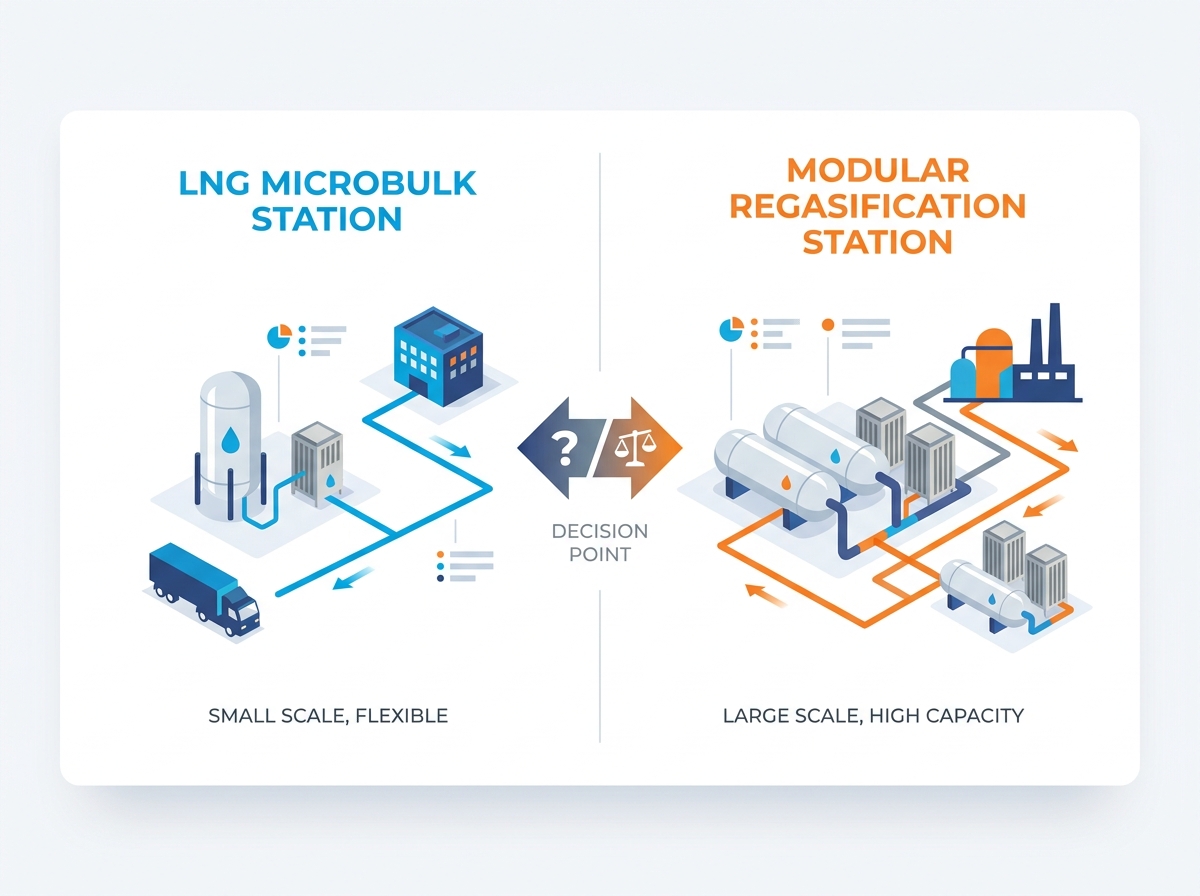
Evaluation Criteria | LNG Microbulk Station | Modular Regasification Station |
|---|---|---|
Throughput Capacity | Low to moderate; struggles with heavy peaking. | Extremely high; easily handles base load and massive surges. |
Site Footprint | Minimal; requires simple concrete pad. | Large; requires engineered foundations and containment dikes. |
CAPEX (Initial Cost) | Low; standardized plug-and-play equipment. | High; requires site-specific engineering and civil works. |
OPEX (Operating Cost) | Higher per-MMBtu due to frequent delivery logistics. | Lower per-MMBtu due to bulk purchasing and fewer deliveries. |
Commissioning Timeline | 3 to 6 months. | 12 to 24 months. |
The choice between an LNG microbulk vs regasification station comes down to matching the architecture with your facility's specific demand profile, spatial constraints, and risk tolerance. Microbulk wins decisively on deployment speed and low initial capital expenditure. Modular regasification wins on industrial scale, long-term operational efficiency, and absolute supply security.
Beijing SinoCleansky Technologies Corp specializes in key equipment and integrated solutions for the natural gas industry, covering CNG, LNG, and NGV applications. With capabilities spanning cryogenic and high-pressure equipment, international certifications, and customized solutions from design through operation and maintenance, the company supports industrial customers seeking reliable and scalable gas infrastructure.
To move forward effectively, take the following actionable steps:
Conduct a detailed load-profile analysis to map your exact base load and peak surge requirements over a 12-month period.
Perform a spatial audit of your facility to determine if you can legally meet the safety setback requirements for bulk storage.
Initiate a front-end engineering design study with an experienced infrastructure provider to map out precise civil engineering costs.
Analyze local virtual pipeline logistics to assess the reliability and frequency of regional delivery networks.
A: The primary differences lie in scale, footprint, and use case. Microbulk is a compact, low-volume storage and vaporization unit designed for localized applications. Modular regasification involves larger, scalable skids paired with bulk storage to handle high-volume industrial, marine, or municipal grid applications.
A: Space requirements vary based on total capacity. However, modular stations require significantly more acreage than microbulk units. They need extensive space to accommodate safety setbacks, large bulk storage tanks, vaporization skids, and dedicated truck offloading zones.
A: Yes, but it typically requires replacing the core infrastructure rather than simply adding to it. The piping, foundational requirements, and high-capacity vaporizers for modular stations are fundamentally different from those used in standard microbulk setups.
A: A virtual pipeline is a flexible logistical network utilizing cryogenic trucks or ISO containers to deliver liquid natural gas to off-grid facilities. It functions as a modular, over-the-road substitute for physical underground gas pipelines.
A: Modular regasification generally offers lower OPEX at scale. Despite requiring a higher initial capital investment, it allows facilities to secure bulk commodity pricing and drastically reduces the frequency and cost of logistical deliveries.
A: Installation typically takes 3 to 6 months. This rapid timeline depends largely on local permitting approvals and basic concrete pad preparation, making it significantly faster than constructing a modular regasification plant.
A: Yes. Compact modular regasification designs are frequently utilized in Floating Storage Regasification Units (FSRUs) and marine bunkering facilities. They apply the same high-capacity principles as land-based plants to space-constrained maritime environments.